2013 Lipper Awards

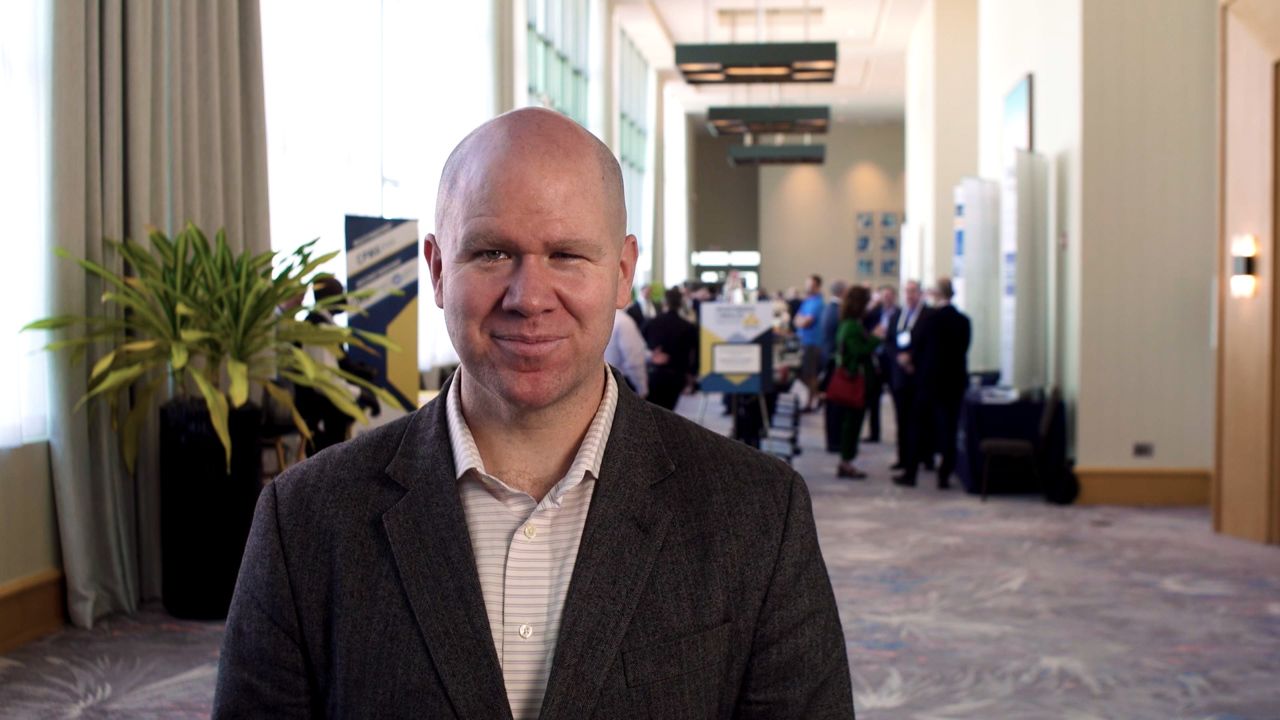
Vontobel's Peter Newell on Identifying outperformers

The 2013 Lipper Award winner explains his firm's unique investment strategy and approach to finding stocks that outperform.

We have someone unique investments strategy and then we focus on a selected number of stocks. We start with the universe of about 50,000 names and asked simple questions about profitability, return on assets, return on equity. And we get a list out to about a thousand and then we asked some more hard questions to define this investable universe and what we're looking for stability and margins. Stability and return on equities. Stability on earnings as the company rewarded shareholders with dividends. Have they raised their dividends? Have they taken on debt? What is the capex like? What is the competition like? And so what we're trying to do is just start with a field of 550 great businesses that we think have durable franchises, great balance sheets, management with a history of rewarding shareholders and then we start there. So since these stocks are on abundance, we run concentrated portfolios. We are high quality managers looking for consistent growth not high growth but sustainable growth. We are completely benchmark-agnostic which is a hall mark of our investment process. Actually, we think in many cases especially in emerging markets and international equities that the risk-- the index is the risk because of the makeup of the index in the global cyclicality of the index and the lack of transparency in the lot of the names. The selection process actually starts off with a quantitative more mathematical approach. Then we define the investable universe we think that by starting with these virtuous companies with long operating histories of rewarding shareholders. Then we can determine from an analytics standpoint of view. Now we turn over the fundamental start-- side. Is it sustainable? Let's start with the great business and then determine the fundamental research. Is this business-- are these earnings sustainable? Because overtime price will follow earnings and if earnings continue to grow so will price overtime, if earnings implode, price will implode as well. So then the analyst steps in. We have 10 analysts and we can have 10 analysts because we only follow by 550 names. Knowledge is king of the [unk] business takes a long time to get to know a company. And since we're ride alongside our investors with our personal money. It's serious business. So when-- since we are benchmark-agnostic and can actually hide behind the index and running constant portfolios, we need to do a lot of work and the analyst does a lot of work. Basically is this franchise sustainable over the next 5 years and then when you're going to pay? The companies that we have, have certain set of characteristics that runs across all of the companies whether they be in the emerging markets. Whether they be in Europe or in the United States in our global portfolio, so we don't compromise for quality because of the location of any company. We know what we're looking for. So each company has the following characteristics; High return on equity, high return on assets, high return on invested capital, little to no debt, dominant market share, high various entry and understandable business with durable demand and five years of what we think is sustainable earnings and a good price and that's the common thread that runs through all of the names that we buy for our clients. Dividends are important in the investment process because they are reward for shareholders overtime especially when the dividends are raised. But it's not essential to the stock-picking process that we have. We like dividends but we don't demand dividends. So if you had 2 companies, one growing at 10 percent with a 2 percent dividend, then one growing at 15 and they were equal in price. One growing in 15 would probably have the best total return overtime. Yes, we do like dividends, they have a way of anchoring the stock price. It's a reward for shareholders but it isn't a requirement that we can find a good growing company that doesn't pay a dividend or still interested.

Related Videos

Join the Discussion