
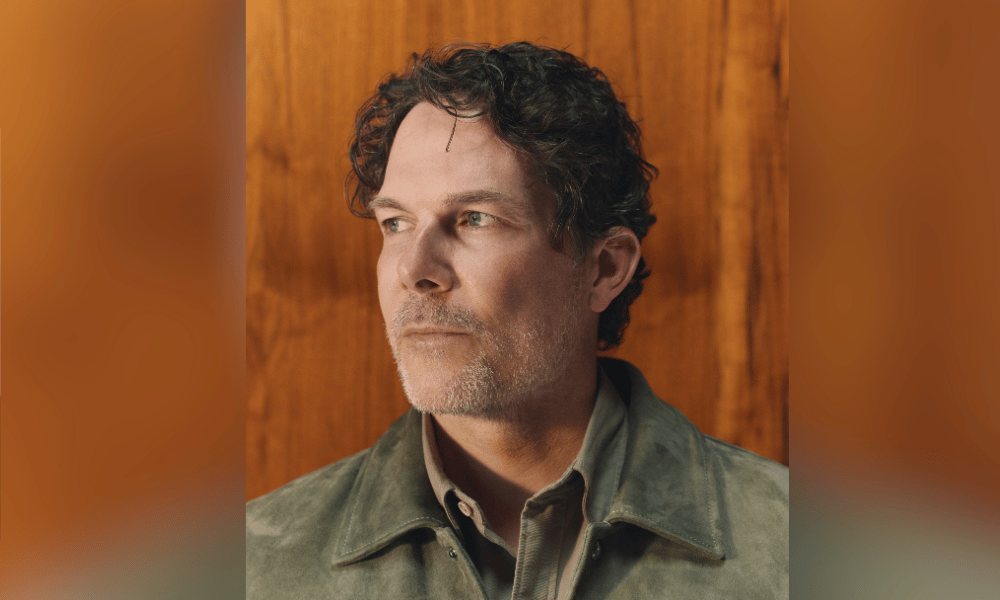
Thousands of leaders across the financial services industry gathered this week in Huntington Beach, California for Future Proof, the annual outdoor conference festival launched in 2021. Its investors include Altruist CEO Jason Wenk and Ritholtz Wealth Management CEO and co-founder of Future Proof, Josh Brown.
InvestmentNews caught up with Wenk to discuss his experience at Future Proof, Altruist’s custodian partnership with Ritholtz Wealth announced at the conference, and the state of the RIA custodian market as Altruist looks to differentiate itself from legacy leaders Schwab and Fidelity while stock trading app Robinhood prepares to disrupt the custody market as well.
Altruist was valued at $2 billion earlier this year, and executives previously told InvestmentNews that they aspired to eventually launch a client referral network.
This Q&A has been edited for clarity and brevity.
JASON WENK: Everybody wants to go be part of it. It's fun, entertaining, but it's also really impactful. You draw top billing names in the industry, and also tons of people from outside the industry. I thought this year was interesting. We work with a pretty prominent Silicon Valley law firm as our council here at Altruist. And I thought it was kind of funny, I got an email a couple weeks before the conference, and it was like Wilson Sonsini is hosting a dinner at Future Proof, and I just thought that's pretty wild.
A firm like that would never have come to any financial industry conference before Future Proof, none of the usual suspects. So it's been really interesting to watch what [Josh Brown] has built. We're incredibly proud for him to use part of that platform to announce their partnership with Altruist. He's able to have such an impact and build such a unique conference with his partners at Advisor Circle.
Matt Middleton [Future Proof co-founder] he and I caught up as well. It’s just remarkable to see what they built in four years in Huntington Beach.
WENK: One of the really unique things about the Ritholtz model is they serve clients everywhere from people just starting that are young just putting away whatever they can, maybe on a monthly basis, and then they have more mid market, mass affluent and then they even have a multi-family office with clients with tens of millions, hundreds of millions of dollars, even I think some with billions.
So it's a very unique firm in that they're scaling across all of those customer segments. That's really hard to do efficiently and profitably, especially if your custodian is taking multiple days or weeks to do something as simple as open an account and transfer money.
Ritholtz has that broad appeal from their clients that are probably in their 80s, 90s, and they have clients that are in their 20s. Josh [Brown] talked about this at our [Future Proof] booth, and I did a session for about an hour, mentioning that Gen Z and even a portion of the millennial clients, their expectation from a user experience perspective, is more akin to Robinhood, Coinbase, or SoFi. Just like modern digital first platforms, mobile first, this is the expectation.
If you think they're going to be okay moving from that to like, some DocuSign envelopes and a really clunky experience that's visually unappealing, slow, information not at your fingertips, you're just going to have a really hard time serving clients over the coming decade plus. And a big part of their bet on Altruist is, we have a huge appeal to those, we're much built on par with the most modern consumer FinTech brands, but we're built for advisors, so they're able to give their clients that incredibly good, digital native, mobile first experience.
WENK: [Robinhood is] an incredibly talented group of people. I've known Vlad [Robinhood CEO] for a few years, I think he's a very good CEO. He's both very practical in terms of operationally practical, but also very product minded, builds great products. I'd say really, they're the closest peer to us when it comes to the quality of the team, the way we think about user experience, the way we think about designs.
They probably won't really be in this [RIA custodian] space for another two years or so, maybe even longer. It just takes a long time, their platform for example, only holds like five accounts or something like that. You need to support more like 50 to help advisors. So it'll take them some number of years before they've kind of evolved their platform into being able to serve advisors.
And for the next however long that takes, two or three years, they'll just have the TradePMR business. But I have to believe that [TradePMR] will be entirely sunset at some point in the future, and then moved over to the more modern Robinhood platform. But they've been pretty coy about the timing. So it's hard to say how long, but reasonably safe to say it's not soon.
Future Proof: The state of wealth management, Federal Reserve policy, and leadership

Adhesion waives platform and tax management fees for capabilities as asset managers add alternatives and tax overlays to model offerings.

The Vanguard-bound RIA custodian is now letting advisors subscribe clients to late-stage private company SPVs from inside its platform.

The AI-native RIA is pitching 90-second client onboarding to independent firms weeks after landing $100 million Series C.

Founder Rick Kent moves to executive chairman, and Zach Mersberger has been named president of the $33 billion hybrid-RIA.

Three senior women in wealth management outline the ownership, capital and confidence gaps still holding top advisors back.
As AI makes financial information more accessible than ever, Lana Hock explains why human judgment, trust, and empathy remain the qualities clients value most in a financial advisor
Northern Trust’s Ken Lassner shows advisors how to convert volatility into after-tax portfolio gains

