
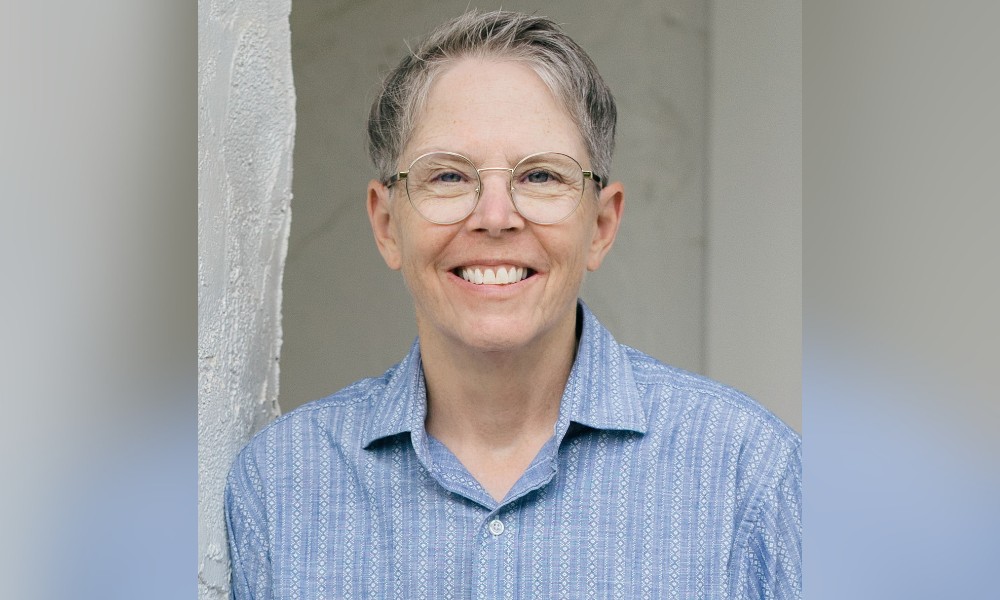
There are many reasons that fuel the move to RIA, but for Chicory Wealth, the prime mover was a desire to build a business that could be carefully tailored to the needs of a progressive client base.
“Our clients are very politically progressive, they wanted real socially conscious investment,” Max Kulyk, founder and CEO of Chicory Wealth, told InvestmentNews.
Kulyk made the decision to leave the regional broker dealer world almost 10 years ago after spending 15 years as an Ameriprise franchisee. “We left in the very end of 2017,” he explained, with his new company, Chicory Wealth, established in January 2018.
Even before becoming Chicory Wealth, Kulyk and his team were committed to doing what he describes as “authentic, transparent, socially conscious investing,” and had begun to build individual stock models. “We needed the opportunity to get more research, to get more interconnections with the larger ecosystem that does this,” he added. “We wanted to do shareholder activism – we wanted to do all these things – none of that was possible in the context of Ameriprise.”
It was a successful move. “In 2018, we essentially had to ask every client to marry us again,” Kulyk explained, but noted that about 200 households came over to the new firm, and only two didn’t join them on the journey.
At the time of the move, Kulyk’s team had around $170 million in assets under management, a figure that has since grown to around $860 million. Similarly, the company’s client base has also climbed to just over 500 households, and its headcount has grown from 7 people to, currently, 22. The company is also set for expansion, with its headcount expected to reach 25 next month.
The Chicory Wealth founder says that the RIA has a core equity portfolio of individual stocks that it runs for its clients, as well as “another sleeve” that’s small-and-mid-cap.
“We have begun to offer our portfolio management to other values-aligned RIAs who want what we’re doing, but don’t have the capability to do the research and maintain it, and do the impact and do the shareholder activism and all that sort of stuff,” he said. “We also use a certain amount of direct investments – infrastructure, private debt, private equity, that’s all impact focused.”
Globally, impact investing assets under management have been growing. In 2024, the Global Impact Investing Network estimated that over 3,907 organizations were managing $1.571 trillion in impact investing assets under management worldwide, a figure that had risen from $1.164 trillion in 2022.
Demand for sustainable investing is also growing. Last year a Morgan Stanley survey said that asset managers expect growth in allocations to sustainable investments. Energy efficiency and renewable energy remain the top two sustainable investment priorities, the study found, with climate adaptation rising to third place.
While the orchestrator of the move, Kulyk is also fulsome in his praise of Ameriprise. “The reality is I had a very good experience at Ameriprise - I appreciated their leadership, I appreciated the people I worked with at the regional level,” he said. “The reason we left wasn’t money, it wasn’t being annoyed with anybody - it was really that we had a creative vision that we were not going to be able to bring to life under the Ameriprise umbrella.”
Even before becoming Chicory Wealth, Kulyk and his team were committed to doing what he describes as “authentic, transparent, socially conscious investing,” and had begun to build individual stock models. “We needed the opportunity to get more research, to get more interconnections with the larger ecosystem that does this,” he added. “We wanted to do shareholder activism – we wanted to do all these things – none of that was possible in the context of Ameriprise.”
Chicory Wealth has also started offering its portfolio management to other values-aligned RIAs who don’t have the capability to do the research and shareholder activism. The company also runs a program called One Percent for Social Justice, where it contributes 1% of its topline revenue to organizations in a given year. “We usually pick a theme,” Kulyk said. “This year’s theme actually is immigration – we’re giving to eight different organizations nationally that support immigrant rights.”
The company has roots in Atlanta but is now a national and 100% virtual business. “We get clients from all over the country,” Kulyk told InvestmentNews. “We get people who find us and they are like ‘hallelujah, we didn’t think you existed.”
“Our little tagline is – ‘if you’re left, we’re right for you’,” he added. “That’s our niche, that’s who we work with.”

Founder Rick Kent moves to executive chairman, and Zach Mersberger has been named president of the $33 billion hybrid-RIA.

Three senior women in wealth management outline the ownership, capital and confidence gaps still holding top advisors back

Schwab's Claude integration blocks Anthropic from retaining advisor and client data for model training, even for users without enterprise plans.

“Today is as big a moment as I have seen in my career,” says Shirl Penney of Dynasty Financial Partners.

TradePMR's Scott Victoria says Robinhood Advisor Network's 25% revenue fee model better serves advisors than basis-point pricing in other RIA client referral programs.
As AI makes financial information more accessible than ever, Lana Hock explains why human judgment, trust, and empathy remain the qualities clients value most in a financial advisor
Northern Trust’s Ken Lassner shows advisors how to convert volatility into after-tax portfolio gains

