
When advisors speak with their clients, the concept of inflation should be part of the conversation. It has an impact on how much investors spend and save, and whether the returns they receive from savings or investments are worthwhile.
In this article, we'll discuss the basics of inflation and the impact it has on investments and retirement planning. We'll also go over some strategies to protect your clients' portfolios from rising inflation.
Inflation refers to the rising prices of goods and services over time. When inflation happens, each dollar buys less than it did before. This means the purchasing power of money goes down. Consumers need more dollars to buy the same "basket of goods and services" they used to get for less.
Economists track these changes using tools like the Consumer Price Index (CPI) and the Personal Consumption Expenditures (PCE) price index, which measure the price of a typical basket of goods and services over time.
The inflation rate shows how much average prices have increased over the past year. For example, if the Consumer Price Index (CPI) rises by 3 percent from September 2024 to September 2025, it means consumer prices are, on average, 3 percent higher than a year ago.
Inflation is a normal part of most economies, including the United States. The Federal Reserve aims to keep inflation low and stable, at around 2 percent per year. This helps people and businesses plan for the future, knowing that prices won't suddenly jump or fall.
There's no single cause of inflation. Instead, it can happen for several reasons, often at the same time. Here are the main drivers:
In short, inflation can be caused by changes in aggregate demand, disruptions in aggregate supply, shifts in inflation expectations, and policy decisions. It's a complex process, but understanding the basics helps you explain it to clients in simple terms.
In the United States, inflation is measured using several different indexes. The most common are:
The inflation rate is calculated by comparing the current price index to the index from the same month one year ago. Here's the formula:
For example, if the current price index was 315.00 in September 2024 and 324.80 in September 2025, the annual inflation rate would be about 3.1 percent.
The Federal Reserve looks at these indexes over several months or years to spot trends, not just short-term spikes. This helps them decide whether inflation is likely to persist or if it's just a temporary blip.
Watch this video for insights on the relationship between The Fed and the US administration:
For independent advisors and RIAs, understanding inflation is crucial because it has a direct impact on your clients' portfolios. Inflation can:
Inflation is more than just numbers; it has real effects on your clients' ability to meet financial goals, especially over the long term.
Inflation is especially important in retirement planning. It has an impact on:
Review your clients' retirement plans regularly. Make sure that these account for inflation and adjust withdrawal strategies as needed. Go over these tips to build wealth and retire comfortably to help your clients prepare for retirement.
No conversation on inflation would be complete without touching on nominal and real returns:
Aim for investment returns that at least outpace inflation. This way, your clients benefit from real returns, not just nominal ones.
There's no way to avoid inflation entirely, but there are strategies to help protect client portfolios:
To build a resilient investment strategy for your clients, review portfolios regularly. Keep them aligned with clients' goals and risk tolerance, especially as inflation and interest rates change.
It's also important to educate clients about the risks of ignoring inflation. Even modest inflation, if left unchecked, can erode wealth over time. Proactive planning ensures that clients are better prepared for changing economic conditions.
Inflation is a rise in the price of goods and services that reduces purchasing power and impacts all areas of financial planning. By understanding what causes inflation, how it's measured, and how it affects investments and retirement, advisors can better educate clients and build resilient portfolios.

Emerging Asian nations set to lose out amid optimism that the Fed will start to ease back.

Investing in net zero is not economically attractive, say 40% of heavy industrial companies.

Advisors say it’s premature to be worried about the results of the election – and frankly, the incumbent doesn’t matter.

Fixed income will be a strong asset class in 2024 amid economic challenges and overvalued equities.

Index reveals biggest one-day jump since March amid rates expectations.

Cryptocurrency selloff is at odds with gains for equities.

Alternatives asset manager says strategy is outdated but CIO argues talk of its demise is premature.
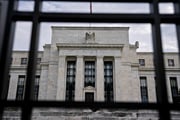
‘The last of investors not convinced the Fed is done are likely throwing in the towel,' a portfolio manager says.

CoreData report also highlights intolerance with underperforming active equity strategies.

Goldman Sachs? Not so much.

Traders are betting that CPI eased in October which should mean rates have peaked.

Both supply and demand will be higher than expected this quarter.

Government report says pace of change needs to accelerate to avert worst results.

A 4% withdrawal rate in retirement can be a place to start, research from Morningstar suggests, but one planner calls it 'simple and dangerous.'

New poll shows concerning numbers for the president.
