
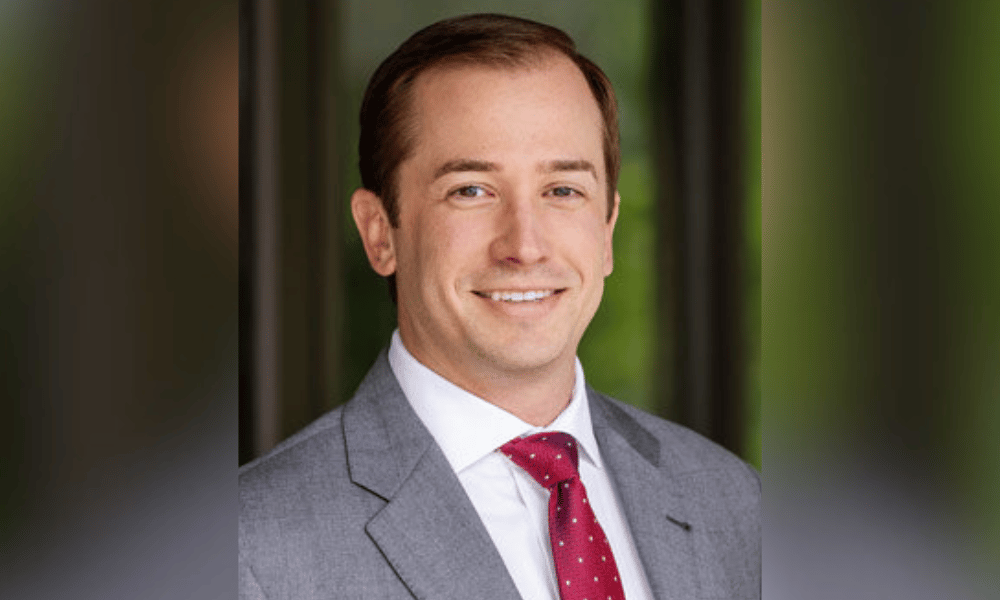
The evolving cost economics of RIA referral programs are being met by TradePMR’s revenue-based fee for its new Robinhood Advisor Network (RAN), which executive Scott Victoria says was structured as an alternative to the incumbent client referral marketplace for RIAs that’s dominated by Schwab and Fidelity.
“Instead of going with a traditional already established default basis-point pricing, we did it as a percentage of revenue,” Victoria, president and COO of TradePMR by Robinhood, told InvestmentNews. “So we're at 25%. We think that's a leading price, and it aligns better with the advisors.”
RIAs need a minimum of $500 million in assets under management to participate in RAN. Robinhood takes a 25% fee on the gross revenue an advisor generates from referred clients. Grimes & Company and Mather Group are among the RIAs taking part in RAN, which started rolling out to Robinhood’s user base earlier this year.
Robinhood’s revenue-sharing deal differs in structure from the asset-based fee on referred assets of existing referral programs. A report earlier this year from InvestmentNews outlined Schwab Advisor Network as charging 26.25 basis points on the first $2 million of referred assets, 21bps on the next $3 million, 15.75bps on the next $5 million, and 10.5bps on assets over $10 million. Fidelity Wealth Advisor Solutions charges a $50,000 annual fee plus 10bps on all referred fixed income and cash assets and 25bps on all other assets.
“Feedback that we heard directly from [advisors was] they said, "hey, we have accounts that we don't bill on at all, and yet our custodian is charging us on it. Why is that happening?,” recalled Victoria. “Shouldn't our incentives align? So our pricing reflects that, and we're really happy about not only where we stand relative to others, but how we align better with advisors.”
After going unchanged for nearly 20 years, Schwab decided to increase fees for RIAs within its Schwab Advisor Network (SAN) referral program last year. Those fee hikes come in addition to Schwab raising the asset minimum for eligible clients to be referred to RIAs in SAN, going from $500,000 in 2025 to $5 million starting in January 2027.
A Schwab spokesperson told InvestmentNews that, “more than half of SAN's net flows come from clients with $10 million or more in investable assets,” and that “Increasing the referral minimum to $5 million aligns the program with where it is seeing the strongest growth.”
While Schwab is increasing the wealth threshold for clients to be referred to RIAs, Robinhood is starting at a minimum that’s even less than Schwab’s previous $500,000 minimum before its last two increases. A minimum of $250,000 in investable assets is needed for Robinhood clients to be referred to RIAs that custody with TradePMR.
“It's really a world of have and have-nots,” said Victoria. “You have the enterprise firms at the top with double-digit growth, and then you have—this is generalization— the have-nots at the other end, which have anemic growth. They're not really growing. So we're investing in those firms, and the start of that is through RAN (Robinhood Advisor Network.)”
Robinhood has said its median user age is around 35 years old, making the Silicon Valley firm a potential goldmine for advisors to tap into next-generation investors. But while the Robinhood app has more than 27 million funded accounts, only 5,000 customers were included in RAN’s roll-out in June, signaling a tepid approach the brokerage is taking in bridging its young investors with financial advisors.
“As our customer base has more complexity in their lives as they grow older [and] has less time on their hands because of that complexity, I think we're going to find more and more of our customer base is going to want advice,” said Victoria. “We're learning a lot about just how customers see the referral in app from their retail experience to the digital referral to advisors and how advisors are presented, how trust is conveyed, and how relationships are formed.”

Built in partnership with Dynasty Financial, Schwab, VanguardClaude for Financial Advisors links custodians, CRMs and planning tools for advisor workflows

New benchmarking tool ties advisor pay structures to ownership and succession as the industry faces a widening talent gap.

Arca becomes the first firm to build on Altruist's Realtime Custodial API, deepening a partnership tied to its rapid tech-led growth.

Gryphon Wealth co-founders Jason Hyrne and chairman and Jeff Wyatt say that the RIA’s long-term strategy hasn’t changed despite its fully-independent status.

Astraeus finds AI-adopting RIAs grew headcount and productivity faster, though compliance concerns around AI oversight persist.
Northern Trust’s Ken Lassner shows advisors how to convert volatility into after-tax portfolio gains
Dan Biagini of American Equity says the steady decline of pensions, longer lifespans and a reset in interest rates are rewriting how advisors build retirement income

