
As wealth increases so does the adoption of alternatives. And that goes double for those up-and-coming Millennials, according to a Goldman Sachs Asset Management (GSAM) study.
GSAM released a report this week titled “Opening the Door to Alternatives” based on a survey of 1,000 high-net-worth investors. The study, which examined how private market participation is evolving across wealth levels and generations, showed that 39% of individuals with $1 million to $5 million in investable assets utilize alternatives, a figure that rises to 80% of households with over $10 million, and 91% for portfolios above $20 million.
The GSAM study also offered insight into the generational divide when it comes to investing in private market assets with Millennials allocating 20% to alternatives compared to 11% for Gen X and 6% for Boomers.
The good news for alternative asset providers is that only 41% of advised clients have discussed alternatives with their financial advisors, so they have more market share to grab.
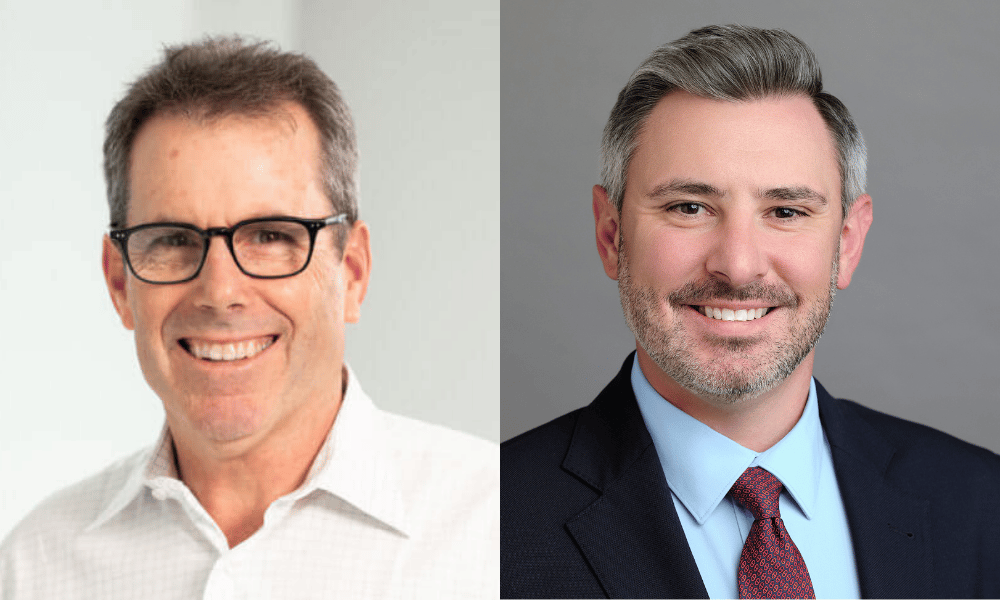
Commenting on the report, Doug Huber, deputy chief investment officer, at Wealth Enhancement, points out that despite this impressive growth, over half of respondents (56%) still view alternatives as “high risk,” underscoring the need for education and advisor guidance.
“At Wealth Enhancement, we view alternatives as a private compliment to existing public asset classes and the engine to access the broadest exposure to our economy. We believe in objective-based allocations for our clients, identifying the desired outcomes they are looking to achieve for the decision to take on potential complexity and illiquidity,” Huber said.
When it comes to educating clients about the risks of investing in private equity, private lending, and private real estate, Huber says his aim is to help clients move “past perception gaps and integrate alternatives thoughtfully” by balancing access, risk, and reward to build durable, long-term alternative programs.”
Meanwhile, Bob Shea, chief investment officer at Dynasty, said he expects the numbers reported in this year’s survey to grow significantly over next three years.
“I agree with the results that investors incorrectly perceive most private markets strategies as riskier than public. We are finding private market managers can often deliver higher after fee returns with lower volatility than their public counterparts,” Shea said.
Shea added that he is encouraging clients that can accept some liquidity risk on a relatively small portion of their portfolios to embrace using private market assets.

Broadridge, Wedbush and Alaris Acquisitions have also filled senior wealth management roles with hires from J.P. Morgan, Osaic and SageView.

Bill would make PE firms liable for portfolio company debts and close carried interest loophole as alternatives push into 401(k)s.

While technical expertise is necessary, sustainable trust is only possible for advisors who know how and when to lean on the emotional side of advice.

Betterment, F2 Strategy and WealthReach push AI deeper into advisory firm operations with three deals this week.

Retirement expectations widen from reality, according to Natixis Investment Managers' annual Global Retirement Index.
As AI makes financial information more accessible than ever, Lana Hock explains why human judgment, trust, and empathy remain the qualities clients value most in a financial advisor
Northern Trust’s Ken Lassner shows advisors how to convert volatility into after-tax portfolio gains

