
Rising interest rates, AI-driven demand, and rapidly evolving connectivity needs are reshaping the digital infrastructure landscape.
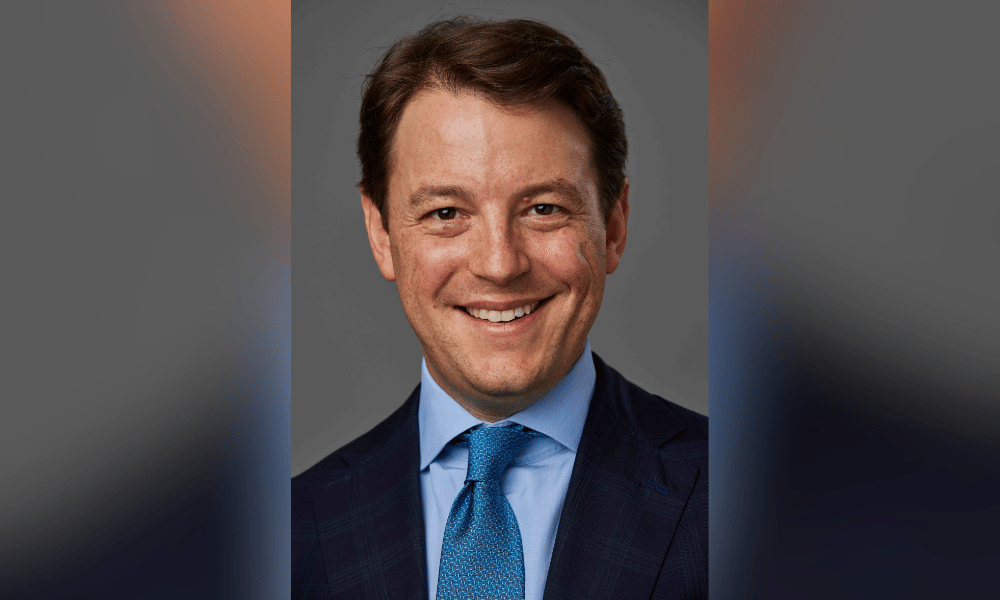
Joshua Oboler, an investment partner at Palistar Capital, an alternative asset manager focused on digital infrastructure with approximately $3.1 billion under management, has been speaking with InvestmentNews and says the sector is entering a new phase defined by stability, selective opportunity, and unprecedented long-term demand.
Asked how rising interest rates have reshaped the investment environment, Oboler says the turbulence of the early 2020s has largely settled.
“The rate shock following the ultra-low rates of the early 2020s is behind us,” he explains. “Credit spreads are tight, and capital markets are open, especially for essential infrastructure. Appetite for high-grade real assets with visible long-term cash flows is stronger than ever.”
Oboler points out that digital infrastructure is the backbone of the modern economy and has both near-term and long-term growth opportunities plus downside protection.”
The digitization of nearly every aspect of daily life has made these networks indispensable and the next wave of demand has already arrived.
“AI has supercharged demand, turning digital infrastructure into a critical enabler of what many are calling the next industrial revolution, one that’s still in its early innings,” says Oboler. “Investors want balanced exposure, but the spotlight has clearly shifted to data centers.”
While towers and fiber still matter data centers now attract the most capital and attention due to their “scale and power intensity.”
On the opportunities and challenges of 5G expansion, Oboler describes a market only halfway built.
“5G is still in mid-deployment, so the opportunity set remains large,” he says. “The pivot to 6G later this decade will link telecom more deeply with AI, enabling industrial automation, billions of devices, ultra-low latency and real-time edge computing.”
As demand for connectivity grows, the geography of investment is broadening.
“Capital demand is universal - dense urban cores need capacity; rural and secondary markets need reach,” Oboler notes, highlighting a new pattern in data-center development: “We’re seeing new data-center hubs emerge near reliable, low-cost power or renewable resources.”
Alternative asset managers play a growing role in financing large-scale digital infrastructure.
“Alternative managers are now central to how digital infrastructure gets financed,” Oboler says. While public markets remain essential, he adds that “Private capital brings the scale and long-term view required for multi-decade assets.”
Technological change is accelerating, but Oboler stresses that not all digital assets are exposed to tech-cycle volatility.
“True infrastructure sits outside the peaks and troughs of the tech cycle, benefiting from steady adoption rather than short product lifecycles,” he says. “We avoid models that depend on the next chip or protocol, focusing instead on assets with deep moats and enduring demand for capacity and connectivity.”
Looking ahead, Oboler sees the most attractive opportunities in the US.
“Digital infrastructure is a global growth story, but the US remains the world’s most investable market,” he says. “We see macro-wireless as an excellent long-term risk-adjusted opportunity, complemented by broadband expansion and the AI-driven data-center buildout.”
The winners will be those who take the long view. “The next decade will reward a patient approach and true sector expertise.”

A Michigan Democrat's proposal to lower the retirement age adds a new variable to claiming strategies for clients in manual trades.

The US accounted for nearly half of all new millionaires worldwide last year, but insurance specialists warn wealth growth is outpacing planning.

Merrill and Wells Fargo Advisors also made additions to expand their presence in Florida and Michigan.

Beemo's agents will draft client proposals and surface custodial data from Schwab for Choreo's 120-plus advisors across 21 states

Overpriced in-house funds allegedly cost participants millions in lost returns
As AI makes financial information more accessible than ever, Lana Hock explains why human judgment, trust, and empathy remain the qualities clients value most in a financial advisor
Northern Trust’s Ken Lassner shows advisors how to convert volatility into after-tax portfolio gains

