
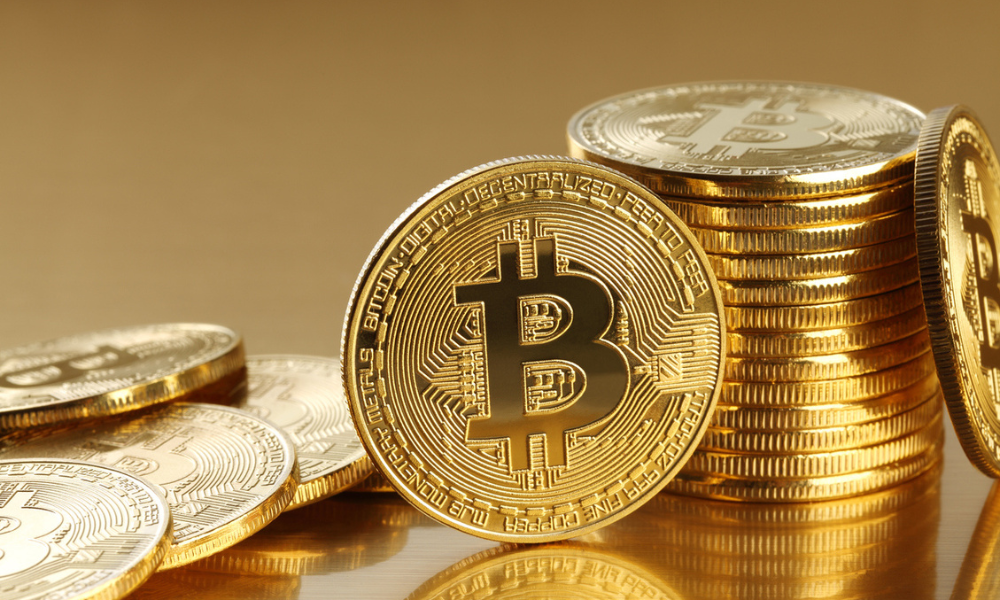
Bitcoin traded close to $44,000 after notching its longest winning streak since May, a rally driven in part by expectations of looser monetary policy.
The largest digital asset climbed for six days through Tuesday, advancing roughly 16% to as high as $44,491 before giving up some gains. Its 2023 rebound from last year’s crypto rout now stands at 163%.
Bitcoin is up almost 80% since mid-September, a rally that saw it take out the $30,000 and $40,000 levels in quick succession. Along with wagers that the Federal Reserve may start cutting interest rates next year, its rise has also been fueled by speculation that the the US may be close to allowing its first spot Bitcoin exchange-traded funds.
BlackRock Inc. filed with the Securities and Exchange Commission in June to launch such a product, suggesting crypto could soon gain wider appeal as an asset class.
“Surely the ETF story is well and truly priced?” said Tony Sycamore, a market analyst at IG Australia Pty. The recent high volatility and “jet-fueled” move up in Bitcoin is instead a reminder that crypto is “more responsive to a Fed pivot and policy than other asset classes,” he said.
For now Bitcoin momentum is overshadowing any concerns that the surge is at risk of becoming too stretched. Smaller virtual currencies such as Avalanche and meme-crowd favorite Dogecoin have also been advancing.
The bullish overall mood is evident across a range of countries. Bitcoin on South Korea’s Upbit and Bithumb exchanges at one point was trading about 4% above the prevailing global price on Wednesday, a return of the so-called “kimchi premium” that made headlines during the pandemic-era bull run in digital assets.
In Abu Dhabi, crypto mining hardware retailer Phoenix Group Plc jumped 35% on its debut on Tuesday. The firm is the first crypto-related listing in the Middle East. In El Salvador, Nayib Bukele said in a posting on X this week that the nation’s Bitcoin investments had turned profitable. He’s running for reelection after stepping down as president last week.
Another prop for sentiment is the so-called Bitcoin halving due next year, which will cut in half the amount of tokens that Bitcoin miners receive as reward for their work. The quadrennial event is part of the process of capping Bitcoin supply at 21 million tokens. The coin hit records after the last three halvings.
“Both micro and macro factors are currently lining up for Bitcoin,” said Zach Pandl, managing director of research at crypto fund provider Grayscale Investments LLC.
Bitcoin traded at $44,004 at 10:07 a.m. in London. It peaked at close to $69,000 in November 2021.

Goldman Sachs retirement survey finds 83% want guaranteed income, while the annuities providing that income increasingly hold private credit.

The AI meeting assistant's Advisor Intelligence plugin turns client conversation data into annual reviews, tax scans and attrition alerts.

Chuck Roberts and Stifel have been facing scrutiny due to sales of structured products and structured notes.

Among other updates, the proposals would let advisors to regulated funds earn performance fees and allow interval funds to offer monthly repurchases.

What will financial advice look like 20 years from now? Evan Vladem explores how AI may transform wealth management while reinforcing the enduring value of human guidance, trust, and empathy.
As AI makes financial information more accessible than ever, Lana Hock explains why human judgment, trust, and empathy remain the qualities clients value most in a financial advisor
Northern Trust’s Ken Lassner shows advisors how to convert volatility into after-tax portfolio gains

