
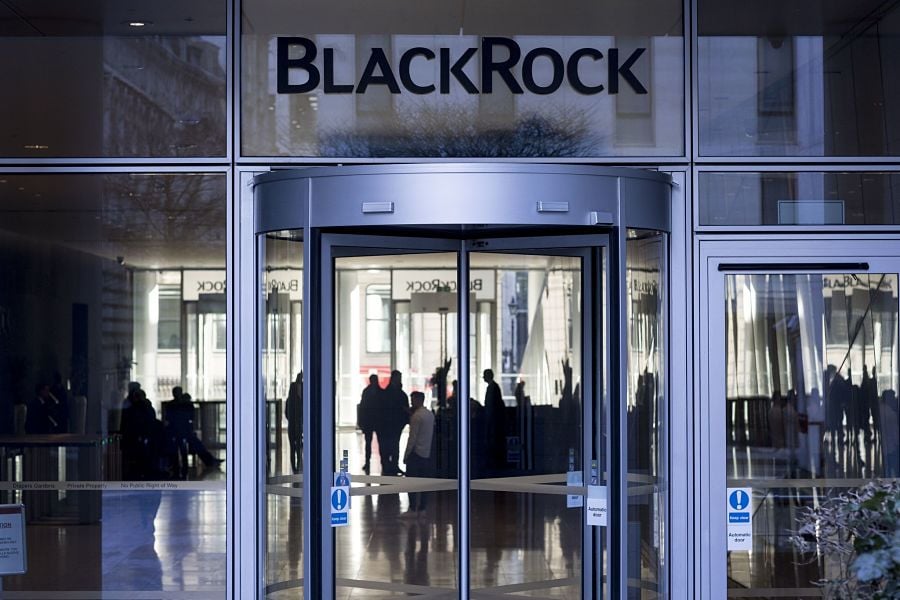
BlackRock Inc. is planning its second round of job cuts this year after the world’s largest asset manager splurged on $28 billion of deals to wade deeper into private markets.
The firm is set to cut about 300 people months after a similar move at the start of the year, according to people with knowledge of the matter. The reductions this month will amount to a little over 1% of its workforce, with the investment firm counting about 22,600 employees at the end of March.
A BlackRock spokesperson declined to comment.
BlackRock, which manages about $11.6 trillion in client assets, has grown its workforce by 14% since the end of 2023, with many new employees coming from the $12.5 billion acquisition of Global Infrastructure Partners and data firm Preqin Ltd.
The company is also in the process of closing a deal for private credit manager HPS Investment Partners for $12 billion.
BlackRock’s move follows rounds of cuts across Wall Street in recent months, with Morgan Stanley cutting 2,000 jobs to keep a lid on costs. Goldman Sachs Group Inc. brought forward its annual round of job cuts and targeted 3% to 5% of staff, while Bank of America Corp. trimmed investment banking roles.

Iowa's Greenwood Wealth Partners exits D.M. Kelly as UBS and Ameriprise win Merrill Lynch recruits in California and Florida

Less than 1% of pool funds went to actual trading, CFTC says

Plus, SEIA builds a governed data foundation for its in-house AI and Snappy Kraken debuts a read-only marketing coworker for advisors.

He owes $364 million but pays $100 a month

Broadridge, Wedbush and Alaris Acquisitions have also filled senior wealth management roles with hires from J.P. Morgan, Osaic and SageView.
As AI makes financial information more accessible than ever, Lana Hock explains why human judgment, trust, and empathy remain the qualities clients value most in a financial advisor
Northern Trust’s Ken Lassner shows advisors how to convert volatility into after-tax portfolio gains

