
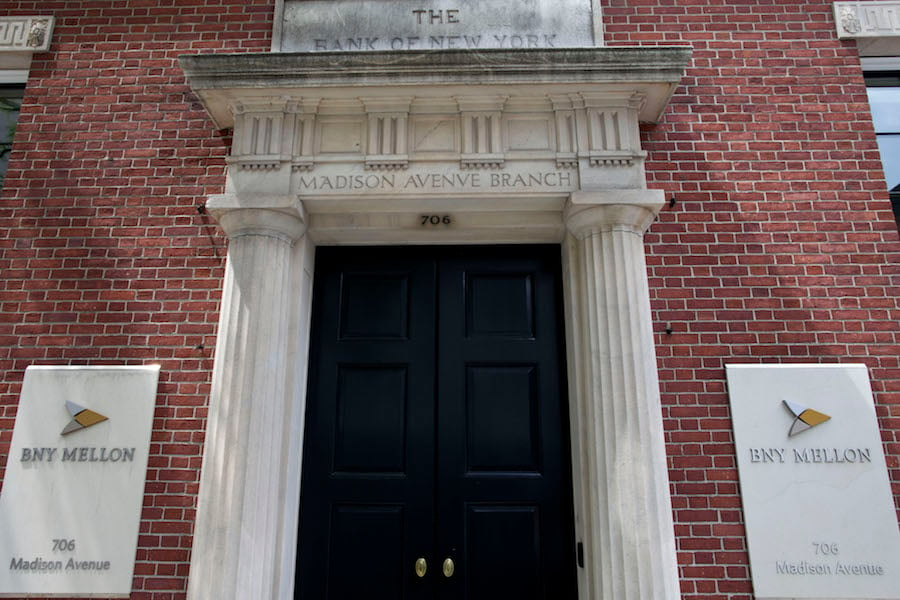
Digital assets could create a meaningful source of revenue for Bank of New York Mellon Corp. as soon as next year, according to Chief Financial Officer Emily Portney.
The firm is collaborating with Fireblocks, a unicorn fintech that enables financial institutions to store, move and issue cryptocurrencies, which is “foundational to everything we’re going to do,” Portney said in an interview on Tuesday after the firm reported fourth quarter results. The bank is now awaiting clarity from global regulators on the rules governing such crypto assets.
“There are proposals in front of the Securities and Exchange Commission that haven’t yet been approved on whether ETFs can actually hold digital assets directly versus futures,” she said, adding that clarity could come in the first half of this year and provide an important turning point.
Launching the first physically backed Bitcoin ETF remains the holy grail for investment fund providers, who see such products as an entry into crypto assets for millions of individual investors. However, the SEC has rejected several proposals so far, saying they failed to meet requirements to prevent fraudulent and manipulative practices.
The regulator offered some hope when it approved a futures-backed Bitcoin ETF in October. The ProShares Bitcoin Strategy exchange-traded fund became the second most-heavily traded ETF debut on record, after filing under mutual fund rules that SEC Chairman Gary Gensler has said provide significant investor protections. Yet its fortunes quickly turned, and it tumbled 30% in its first two months to become one of the 10 worst launches ever.
While digital assets won’t be a meaningful contributor to revenue until probably 2023 or 2024, BNY Mellon is “leading the charge” in crypto asset innovation, Portnoy said.
Salespeople at the firm often went beyond the matching algorithm to recommend network advisors on its Zoe Wealth platform, according to the regulator.

The Protect College Sports Act would cap school payments and codify NIL rights, with implications for advisors guiding young athletes.

"I know the number that I want to be able to retire on, and now I just want out," says Wilmington Trust's Marguerite Weese, describing a common refrain among business-owner clients.

Bessemer and Brown Brothers Harriman veteran Robert Ludricks III and private markets specialist Olof Akesson join the ultra-high-net-worth push on the East Coast.

765 investors were promised 260% annual returns on truck leases
As AI makes financial information more accessible than ever, Lana Hock explains why human judgment, trust, and empathy remain the qualities clients value most in a financial advisor
Northern Trust’s Ken Lassner shows advisors how to convert volatility into after-tax portfolio gains

