
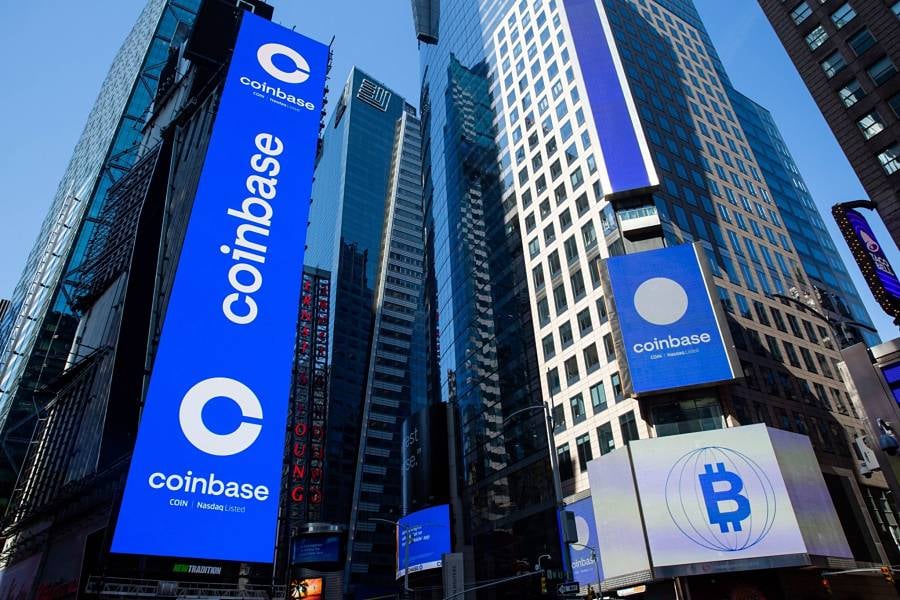
Securities and Exchange Commission Chair Gary Gensler just put the cryptocurrency industry on notice of how far the regulator will to go to tame a market he’s labeled the wild west of finance.
In threatening to sue Coinbase Global Inc. if the exchange lets customers earn interest on their digital tokens, the SEC sent a warning to other firms already offering similar products or contemplating doing so. The move is the clearest sign yet that, under Gensler, the regulator will aggressively use its powers to thwart products it’s uncomfortable with -- even before they launch.
Privately, ex-SEC officials said they were shocked by the agency’s posture, which Coinbase disclosed Tuesday in a blog post. The former officials said the SEC typically waits for firms to start selling investments before announcing possible sanctions, indicating the agency has found a forceful way to shut down cutting-edge crypto offerings.
“The SEC is being aggressive for the first time in a long time,” said James Cox, a professor at Duke University School of Law. “The SEC has been putting a lot of muscle into cryptocurrency. It’s a big, fast-growing market and a fertile area for abuses.”
SEC officials had no immediate comment.
When Gensler took the reins at the SEC in April, many crypto enthusiasts cheered. That’s because the former Goldman Sachs Group partner knew finance and had taught a class on digital assets at the Massachusetts Institute of Technology -- a background that set him apart from most Washington officials, who had a limited understanding of the booming market.
But that optimism has all but faded after Gensler made clear in speeches and congressional testimony that a crackdown was looming. In July, he referred to the industry as “the wild west of our financial system” that “desperately needs rules of the road.” Gensler also said the SEC will step up efforts to hold firms accountable for offering products that may involve securities, including in decentralized financial or DeFi platforms.
At issue is Coinbase’s Lend product, which promises investors they can earn 4% annually by lending out their USDC virtual tokens. USDC, offered by a consortium of firms including Coinbase, is a stablecoin -- a fast-growing corner of the crypto market that allows traders to easily convert their digital assets into cash and vice versa.
Stablecoins have been the focus of intense scrutiny from top U.S. officials this year, including Gensler and Treasury Secretary Janet Yellen. Watchdogs have raised numerous concerns, including that the tokens should probably be registered with regulators so that they have to adhere to strict investor protection rules.
Coinbase’s tussle with the SEC became public when Paul Grewal, the company’s chief legal officer, said the SEC determined that Lend involved “a security, but wouldn’t say who or how they’d reached that conclusion.” Grewal added that the agency told Coinbase “that if we launch Lend they intend to sue,” prompting the company to shelve the product until at least October. Coinbase Chief Executive Brian Armstrong later accused the SEC on Twitter of engaging in “really sketchy behavior.”
Despite Coinbase’s bewilderment, the SEC has long argued that a range of tokens fall under its jurisdiction. Over the past four years, the SEC has consistently asserted that many digital assets are investment contracts or securities based on a legal theory knows as the Howey Test laid out in a 1940s Supreme Court case.
The industry has countered that the SEC’s view is too vague and unsuitable for virtual coins. And the SEC’s GOP commissioners, Hester Peirce and Elad Roisman, have routinely admonished the agency for relying on punishments to clamp down on tokens, instead of writing clear rules for the fast-developing market. In a recent public statement, the Republicans said “providing guidance piecemeal through enforcement actions is not the best way to move forward.”
One group that will likely be pleased by the SEC’s scrutiny of Coinbase is congressional Democrats. Massachusetts Democrat Elizabeth Warren, a vocal critic of the financial industry, has repeatedly urged regulators to do more with the powers they have to police the crypto market.
Salespeople at the firm often went beyond the matching algorithm to recommend network advisors on its Zoe Wealth platform, according to the regulator.

The Protect College Sports Act would cap school payments and codify NIL rights, with implications for advisors guiding young athletes.

"I know the number that I want to be able to retire on, and now I just want out," says Wilmington Trust's Marguerite Weese, describing a common refrain among business-owner clients.

Bessemer and Brown Brothers Harriman veteran Robert Ludricks III and private markets specialist Olof Akesson join the ultra-high-net-worth push on the East Coast.
765 investors were promised 260% annual returns on truck leases
As AI makes financial information more accessible than ever, Lana Hock explains why human judgment, trust, and empathy remain the qualities clients value most in a financial advisor
Northern Trust’s Ken Lassner shows advisors how to convert volatility into after-tax portfolio gains

