
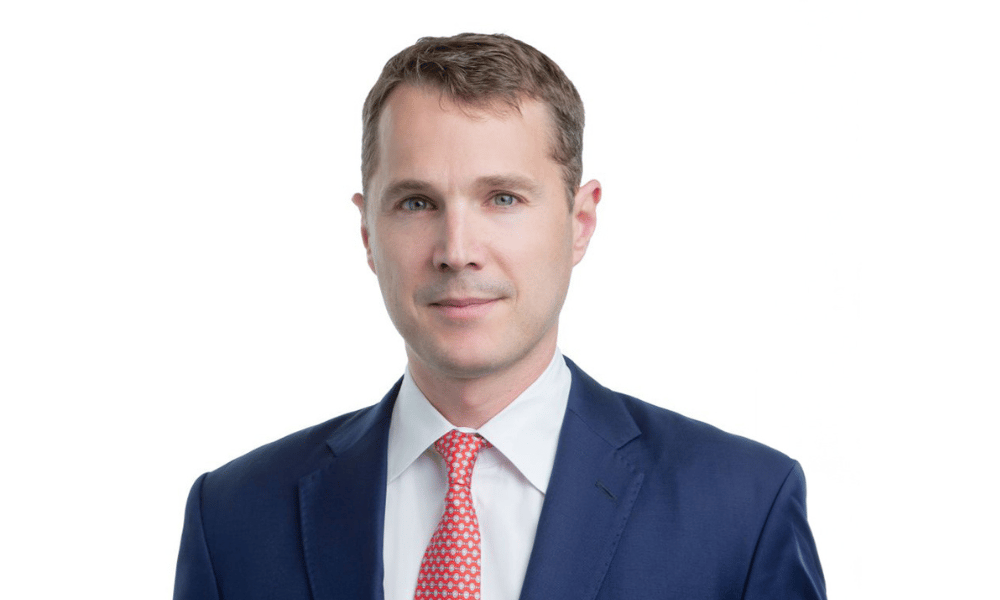
For high-net-worth individuals and family offices searching for a balance between capital preservation and long-term wealth creation, private infrastructure can be a compelling option.
Speaking to InvestmentNews, Luke Taylor, co-president of $76.3 billion AUM alternative investment manager Stonepeak, explains what makes this asset class an attractive proposition.
“We believe private infrastructure sits in a unique position in the risk-return spectrum, offering the prospect of equity-like returns for fixed income-like risk,” he says. “At its heart, it’s a defensive asset class that provides predictable, long-term cash flows, inflation protection in a range of macroeconomic environments, and exposure to some of the most impactful megatrends of the 21st century.”
He adds that this combination of downside protection and upside potential is what makes infrastructure so attractive to wealthy families, as unlike venture capital or private equity, which can come with higher volatility, private infrastructure investments are often linked to essential services like energy, transportation, and digital networks. That stability appeals to family offices focused on long-term compounding.
While institutions have been steadily increasing allocations to private infrastructure since the early 2000s, access for individuals has been limited.
“Over the years, we’ve heard first-hand from our institutional investors just how attractive private infrastructure can be due to its stability, resiliency, and diversification benefits for their portfolios,” Taylor said. “We created the Stonepeak+ platform so that individual investors and family offices can gain exposure to the benefits of private infrastructure, as well as the breadth and power of the broader Stonepeak platform.”
Historically, infrastructure has been seen as both complex and illiquid, posing hurdles for individual investors. Taylor believes recent innovations are changing that.
“One of the most exciting developments in recent years is the innovation we’re seeing in private markets, especially with the advent of evergreen structures, which can offer investors immediate, semi-liquid exposure to high-quality infrastructure assets,” he says, adding that features like lower minimums and investor-friendly structures “are going to help eliminate barriers to entry for individual investors over time.”
Private infrastructure also offers a diversification advantage thanks to its low correlation with traditional markets.
“Regardless of where traditional markets or rates move in the near- or medium-term, we think private infrastructure can be a powerful diversification tool for investment portfolios,” Taylor says, noting that institutions worldwide currently allocate about 3% of their portfolios to the asset class, a figure that is expected to rise. In some countries, such as Australia, early adopters allocate nearly 10%.
Looking ahead, Taylor sees RIAs as critical partners.
“RIAs will continue to play a central role in the coming years in expanding access to private infrastructure to individual investors,” he says. “We look forward to building new, long-term partnerships and deepening our current relationships with the RIA community with a focus on education, transparency, and alignment of interests.”
As private wealth continues to flow into alternatives, Taylor expects infrastructure to benefit.
“As investors seek increased diversification in their retirement savings, and alternatives that offer both stability and yield, we believe we’ll see continued growth in demand for access to private markets,” he says.
Taylor says that Stonepeak intends to expand its wealth channel and strengthen investor relationships.
“We are focused on scaling our wealth platform and global team and deepening our relationships with our distribution partners and investors,” he explains. “We’re excited for what’s to come as we look to bring the benefits of private infrastructure to the private wealth channel.”

Broadridge, Wedbush and Alaris Acquisitions have also filled senior wealth management roles with hires from J.P. Morgan, Osaic and SageView.

Bill would make PE firms liable for portfolio company debts and close carried interest loophole as alternatives push into 401(k)s.

While technical expertise is necessary, sustainable trust is only possible for advisors who know how and when to lean on the emotional side of advice.

Betterment, F2 Strategy and WealthReach push AI deeper into advisory firm operations with three deals this week.

Retirement expectations widen from reality, according to Natixis Investment Managers' annual Global Retirement Index.
As AI makes financial information more accessible than ever, Lana Hock explains why human judgment, trust, and empathy remain the qualities clients value most in a financial advisor
Northern Trust’s Ken Lassner shows advisors how to convert volatility into after-tax portfolio gains

