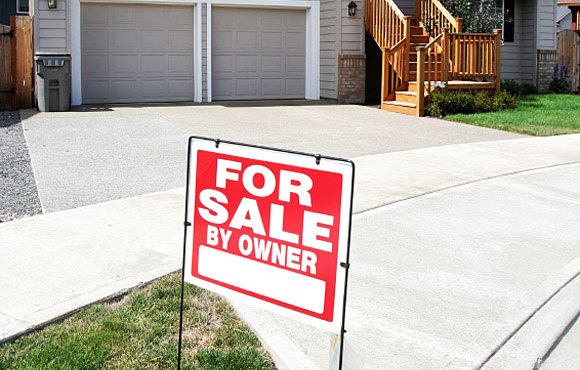
Home values gained an estimated 6 percent in the U.S. this year, the first increase since 2006, as the housing market began to recover from its worst slump since the 1930s, Zillow Inc. said today.
Values have climbed more than $1.3 trillion to $23.7 trillion since the end of last year and probably will continue to rise in 2013, the Seattle-based home-listing service said in a statement. Residential values had declined each year since 2007, with the biggest drop in 2008, when homes lost more than $3.2 trillion in value, Zillow said.
Low interest rates, improving employment and prices that remain almost 30 percent below their July 2006 peak have drawn buyers back into the market. A limited inventory of homes for sale has helped push up prices.
“The housing market really turned a corner in 2012, as historic affordability and sustained investor interest helped keep demand at a boil,” Stan Humphries, Zillow's chief economist, said in the statement. “As home values rise, and more homeowners are freed from negative equity, we can expect a continued slow transition to a more normal housing environment.”
Sales of previously owned homes jumped 5.9 percent in November from the previous month to reach an annual pace of 5.04 million, the most in three years, the National Association of Realtors reported today from Washington. The median resale price was $180,600, up 10 percent from November 2011.
Permits to build new homes, a proxy for future construction, rose to a four-year high last month, the Commerce Department said yesterday.
'Virtuous Cycle'
Rising demand is expected to fuel a “virtuous circle” that will drive economic growth, housing construction and price increases, Michael Widner, an analyst with
Stifel Nicolaus & Co., wrote in a note to investors yesterday.
Los Angeles added $122 billion in home value this year, the most of any metropolitan area, bringing the value of residences in the region to $1.8 trillion, Zillow said. New York-area values rose $11.1 billion, also to $1.8 trillion, after losing $66.3 billion last year.
Philadelphia was the only metro area of the U.S.'s 30 largest with a loss in value, declining $1.6 billion to $513.4 billion, the firm said.
Nationwide, home values remain down about $5.8 trillion from their peak of $29.5 trillion in the third quarter of 2006, according to Zillow.
-- Bloomberg News --