
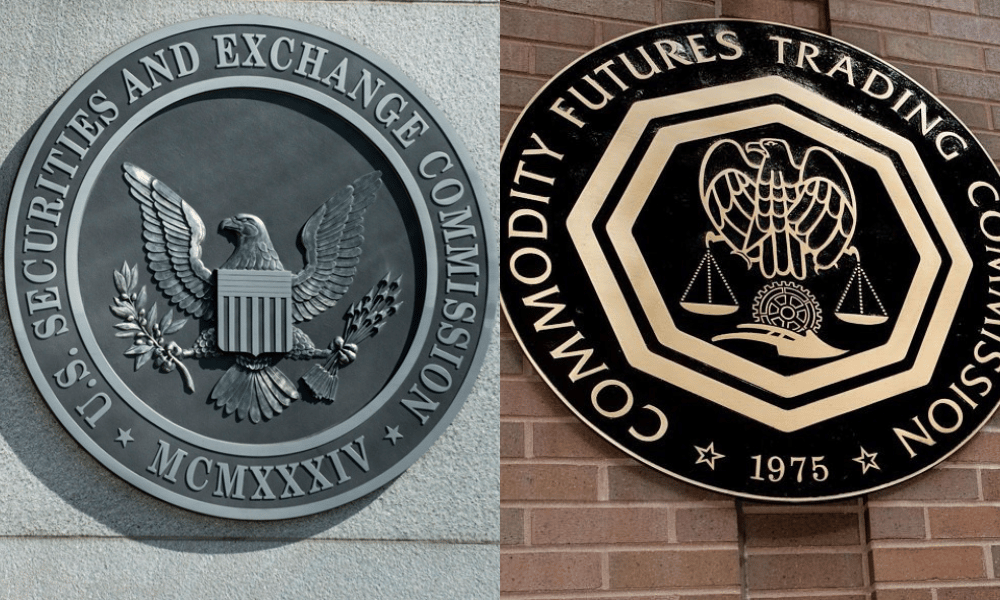
The SEC and CFTC proposed a change on Monday that would ease private fund reporting requirements, a move that could modestly reshape the alternatives landscape.
The proposal would amend Form PF by raising reporting thresholds for private fund advisors, reducing the number of firms required to file detailed data on exposures and risk. Regulators said the changes are intended to cut compliance burdens while maintaining visibility into the majority of the market.
Form PF filings are confidential and designed for systemic risk monitoring, meaning the proposal does not directly affect how advisors serve retail clients or construct portfolios.
Still, the changes come as private markets continue to expand into wealth management channels, where advisors are allocating more client assets to alternative strategies.
“A key pillar of my agenda is restoring balance to disclosure obligations and reducing the cost of compliance wherever possible,” said SEC Chairman Paul S. Atkins. “Prior amendments to Form PF have led to overly burdensome disclosure requirements for advisers, distracting them from their core investment functions, often without a commensurate benefit to regulators’ use of the collected data. These proposed changes would help to rationalize the scope of Form PF requirements to support its purpose and bring our overall disclosure regime back into alignment.”
The Managed Funds Association was calling for a lighter touch on filing requirements among several changes it wanted to roll back Gensler-era regulation by the SEC. MFA ptresident and CEO, Bryan Corbett, welcomed the regulators' announcement.
“The proposal is an important step forward in improving Form PF, and MFA looks forward to providing the SEC and CFTC with constructive feedback that further aligns it with President Trump’s goal of reducing unnecessary compliance burdens that hinder growth. A final rule must refocus Form PF on its core mission of providing regulators with relevant, reliable, and decision-useful data that helps monitor systemic risk," he said.
By lowering reporting requirements, the proposal could reduce operational costs for some private fund managers, potentially encouraging additional product launches or expansion of existing strategies.
That could be relevant for advisors working with high-net-worth and accredited investors, particularly as more firms bring semi-liquid private market products into the retail space.
The proposal may also have implications for transparency as while regulators said the revised framework would still capture most systemic risk, fewer reporting requirements could limit the amount of detailed data collected from certain funds.
For advisors and firms increasing their use of alternatives, that dynamic may place greater emphasis on internal due diligence and manager selection. And while it is unlikely to require immediate changes, it reflects a broader shift that could influence the development and distribution of alternative investments over time.

Retiring RIA seller David Laidlaw alleges the Carnegie valued his stake on $11.7 million EBITA while pitching potential buyers on $21.3 million.

New tool gives RIAs and family offices AI help vetting private market deals, with some users reportedly halving review time.

Investors got projected returns dressed up as real ones, SEC says

Parents must still act to get the $1,000 federal seed and employer contributions, giving financial advisors a role in the rollout.

FINRA booted Rudy Anguiano from the industry for “conversion - the intentional and unauthorized taking of another person’s property.”
As AI makes financial information more accessible than ever, Lana Hock explains why human judgment, trust, and empathy remain the qualities clients value most in a financial advisor
Northern Trust’s Ken Lassner shows advisors how to convert volatility into after-tax portfolio gains

