
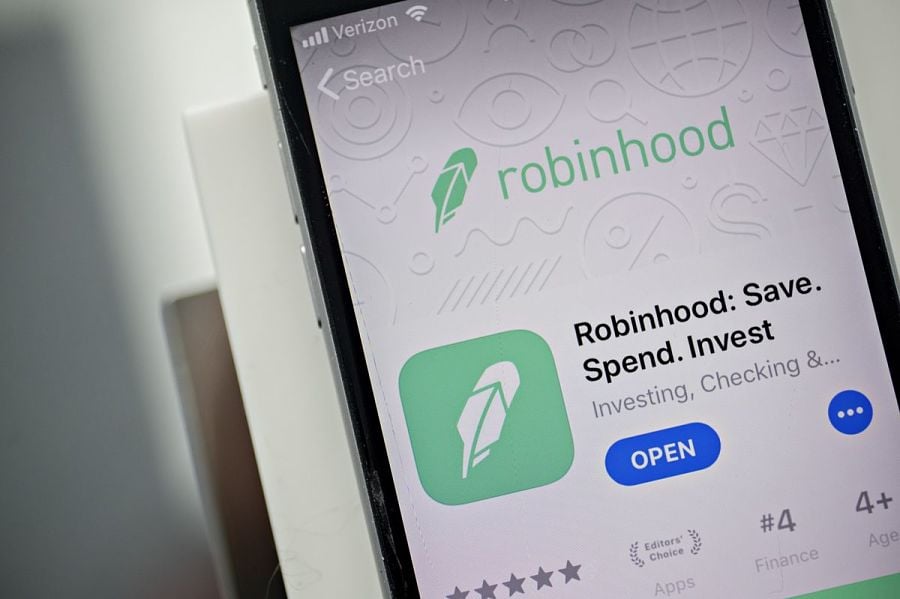
Robinhood Markets Inc. has raised fresh funding as more first-time investors sign onto the app’s simple mobile interface to trade stocks. The latest cash influx of $320 million brings the company’s most recent funding round to $600 million and values the startup at $8.6 billion.
Robinhood’s climbing price tag makes the fee-free trading app one of the most valuable startups in the country. Its small army of inexperienced traders have also become an at-times unpredictable force on Wall Street. In May, the company had already added more than three million new accounts over the course of the year, it said in a blog post, and added that half of its new customers were first-time investors.
The new funding announcement comes as Robinhood faces criticism for enabling people to make risky bets on the market. Last month, a 20-year-old Robinhood user killed himself after his account temporarily showed a negative balance of more than $700,000. After the man’s death, Robinhood said it would change its options trading platform to offer more education and made a $250,000 donation to the American Foundation for Suicide Prevention.
Existing investor Sequoia Capital led the first part of the funding round in May, joined by investors including Ribbit Capital and Unusual Ventures. On Monday, Robinhood said it had raised the additional $320 million in the round from investors including IVP and private equity firm TSG Consumer Partners. Robinhood plans to use the money to hire more employees, build new products and improve operations, it said in the blog post.
“Robinhood has made the financial markets accessible to the masses, and in turn, revolutionized the decades-old brokerage industry,” Sequoia Capital partner Andrew Reed said in a statement.

The financial advice industry has been facing inquiries into its cash sweep programs for years now.

Investor money allegedly went to strip clubs, exotic cars, and landscaping

Procyon adds $415 million in assets under management in New Jersey while Savant picks up a $213 million Southern California planning firm

With a growing number of real estate-rich Baby Boomers aging into retirement, some advisors may be failing to consider all the options available for those clients' assets.

Cornerstone Advisors study reveals compliance bottlenecks stall campaigns weeks after customer opportunities close.
As AI makes financial information more accessible than ever, Lana Hock explains why human judgment, trust, and empathy remain the qualities clients value most in a financial advisor
Northern Trust’s Ken Lassner shows advisors how to convert volatility into after-tax portfolio gains

