
Turnqey is rolling out a trio of products it says are meant to give advisors a more defensible way to incorporate crypto into client portfolios, tackling portfolio design, operations, and education in one stack.
The wealthtech firm on Thursday unveiled TAIP, Qeychain, and Turnqey Institute, describing them as a unified infrastructure for cryptoasset advice. The launch comes as more US advisors move from crypto curiosity to implementation, but still face questions about risk controls, data plumbing, and whether they understand the products they recommend.
According to the latest Bitwise/VettaFi survey of advisor attitudes toward crypto, 42% of advisors were able to buy crypto directly in client accounts in 2025, up from 35% in 2024 and 19% in 2023. The research also found record-high allocations and growing interest beyond Bitcoin, including themes such as stablecoins, tokenization, and “digital gold.”
TAIP, short for Turnqey Allocation and Intelligence Platform, is pitched as a way to treat crypto holdings as part of a broader portfolio rather than a speculative bolt-on. The system offers allocation modeling, volatility and drawdown analysis, and tools to examine how crypto exposures interact with stocks, bonds, and other assets. Turnqey says advisors can use TAIP to run stress tests and then generate plain-language narratives to help clients understand why a position exists, how big it is, and what role it plays.
Qeychain serves as the operational layer, aimed at tying together the messy back end of crypto advice. Many firms still juggle multiple custodians, exchanges, wallets, and reporting systems when they try to implement client demand. Qeychain is designed to aggregate data, track transactions, and standardize portfolio accounting while preserving the quirks of different crypto networks.
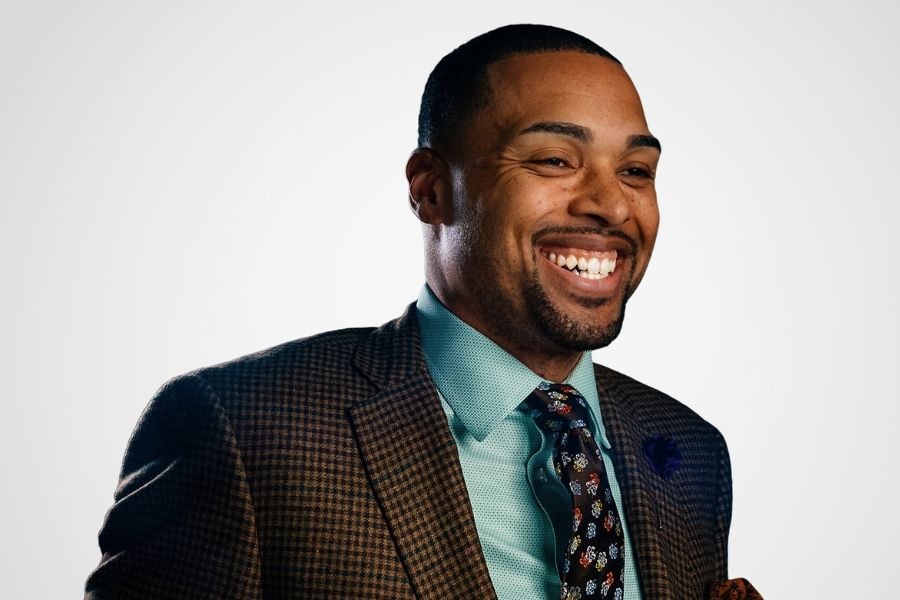
“Operational uncertainty has historically been one of the largest barriers,” Tyrone Ross, the founder and CEO of Turnqey, said in the announcement. “Advisers do not avoid cryptoassets because of volatility alone. They avoid complexity, inconsistency, and workflow fragmentation. Qeychain addresses those constraints directly.”
Crypto volatility has certainly been hard to ignore, given Bitcoin’s recent slip below $70,000 amid broad market bearishness and ongoing rate-policy uncertainty. The most prominent cryptocurrency was stuck at around $67,000 as of Thursday afternoon – a deep decline from its October peak above $126,000 – marking a shakeout that's sure to separate the true crypto believers from speculators and fair-weather crypto investors just looking to participate in its meteoric upswings.
On that note, the Turnqey Institute is framed as an education platform that treats advisor training as a form of risk management. The curriculum focuses on topics such as portfolio behavior, risk controls, regulation, client communication, and the mechanics of crypto networks, with an emphasis on applied knowledge rather than one-off primers.
“Competence is a fiduciary obligation,” Ross said. "Advisers must be equipped to understand what they recommend, explain what clients experience, and govern allocations responsibly."

Salespeople at the firm often went beyond the matching algorithm to recommend network advisors on its Zoe Wealth platform, according to the regulator.

The Protect College Sports Act would cap school payments and codify NIL rights, with implications for advisors guiding young athletes.

"I know the number that I want to be able to retire on, and now I just want out," says Wilmington Trust's Marguerite Weese, describing a common refrain among business-owner clients.

Bessemer and Brown Brothers Harriman veteran Robert Ludricks III and private markets specialist Olof Akesson join the ultra-high-net-worth push on the East Coast.

765 investors were promised 260% annual returns on truck leases
As AI makes financial information more accessible than ever, Lana Hock explains why human judgment, trust, and empathy remain the qualities clients value most in a financial advisor
Northern Trust’s Ken Lassner shows advisors how to convert volatility into after-tax portfolio gains

