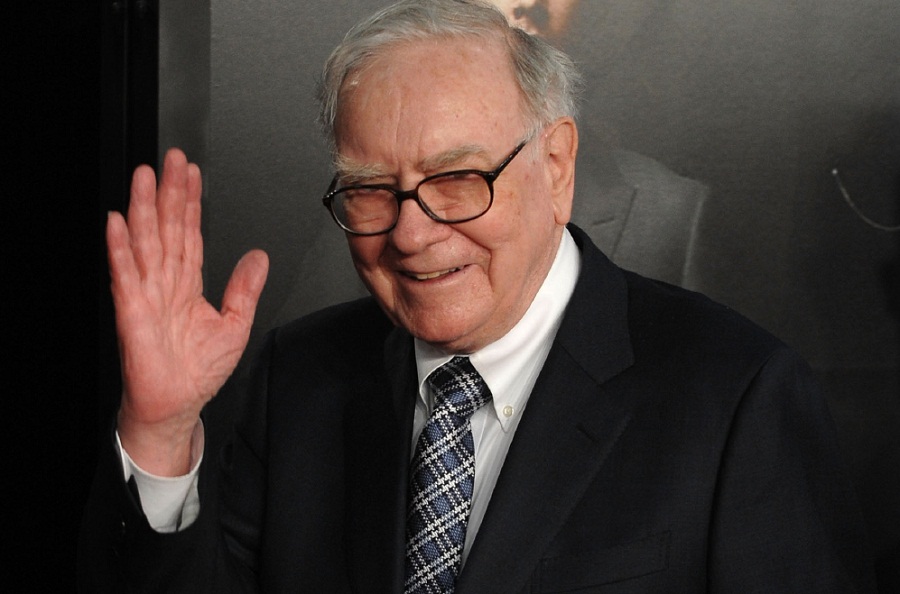
Warren Buffett is personally betting on the blank space created by a shrinking Sears.
On Thursday, the billionaire disclosed an 8% stake in Seritage Growth Properties, sending shares in the real estate investment
trust 18% higher in mid-afternoon trading. That's the biggest gain since the company's July spinoff from Sears.
Seritage leases all but 11 of its 235 wholly-owned properties to Sears, which operates them as Sears and Kmart stores. The likely attraction for Mr. Buffett was that the
REIT has the right to recapture half the space within those 224 properties and rent it to new tenants on "potentially superior terms." An improved tenant roster would allow Seritage to lift its revenue pretty dramatically: Right now, it fetches less than $5 in base rent per square foot from properties leased by Sears, while new tenants are being locked in at pre-opening rates of $18.95 per square foot.
(More: Crowdfunding IPO for mortgage REIT launches for non-accredited investors)
That's still well below the North American mall REIT median of $51.20, according to Bloomberg Intelligence. It's unlikely Seritage will be ever able to command the same lofty rates as industry giants such as Simon Property Group and Macerich, which are less reliant on low-paying anchor tenants and make the bulk of their profits from retailers seeking a footprint within their premium locations. Still, there's undeniably room for improvement.
Mr. Buffett's investment in Seritage probably holds some irony for its chairman Eddie Lampert, who was profiled by Businessweek in a
2004 cover story titled "The Next Warren Buffett?" and is also the chairman and CEO at Sears, which has been struggling. Sears posted sales per square foot of around $332 in its financial year ended Jan. 31 (this figure includes all properties, not just those owned by Seritage). That compares to the average mall tenant's $507 in 2014, according to Bloomberg Intelligence. Seritage has the power to trade some of those square feet to better-performing retailers, restaurants or even fitness chains that can afford steeper rent.
Just by disclosing his investment, Mr. Buffett has made a paper profit in excess of $12 million, based on Thursday's trading alone. His bet — and that of all the investors piling in after him — is that if Seritage delivers, there's more where that came from.