
Office address: 85 Willow Road, Menlo Park, CA 94025
Website: robinhood.com
Year established: 2013
Company type: financial services
Employees: 2,300+
Expertise: retail brokerage, stock trading, ETF trading, options trading, cryptocurrency trading, portfolio management, cash management, debit card services, futures trading, financial technology, investment education
Parent company: Robinhood Markets, Inc.
Key people: Vlad Tenev (CEO), Stephanie Guild (chief investment officer), Matt Billings (president), Dan Gallagher (chief legal officer), Steve Quirk (chief brokerage officer), Jason Warnick (CFO), Johann Kerbrat (SVP)
Financing status: corporation
Robinhood provides commission-free trading for stocks, ETFs, options, and cryptocurrencies to more than 26.7 million customers. The company operates from Menlo Park and employs 2,300 people. It is recognized for its user-friendly platform and a customer base that is mostly millennials and Gen Z.
Robinhood started in 2013 when Baiju Bhatt and Vlad Tenev, two Stanford graduates, saw a gap in the market. They noticed that big Wall Street firms traded for almost nothing, while regular people paid high commissions. This inspired them to build a platform that would let anyone invest without paying those fees.
The founders moved back to California and raised money to build their app. They created buzz by setting up a waitlist, and over one million people signed up before the app launched in 2014. Robinhood’s simple design and no-commission trades quickly caught the attention of younger investors.
The company won an Apple Design award in 2015, which helped boost its reputation. By 2019, the company reached a $7.6 billion valuation and had millions of users. Major brokerages soon followed Robinhood’s lead by dropping their own trading fees.
Robinhood added features like fractional shares and early access to cryptocurrency trading. The firm expanded to the UK in 2024 and launched margin trading with new safety measures. In 2025, it introduced Robinhood Social, a platform for users to share trades and follow public figures.
Robinhood offers a range of products designed to make investing simple and accessible for individuals. The platform covers trading, retirement, and educational resources:
Robinhood is also known for its easy-to-use app and website, which make investing simple for all experience levels. The platform provides real-time updates and helpful educational content.
Robinhood states that its mission is to make finance open to everyone, highlighting the coming $124 trillion wealth transfer. The firm describes its culture as fast-paced and focused on ambitious goals. It values these principles:
According to the company, employees are expected to take on challenging work and learn quickly. In return, Robinhood offers these benefits:
Robinhood reports that ESG programs support transparency and long-term impact for its business and customers. In 2025, about 50 percent of new investors identified as first-time users, and 75 percent as millennials or Gen Z. It highlights offsetting 1,634 metric tonnes of Scope 2 emissions and purchasing 6,550 megawatt-hours of Green-e wind energy
Vlad Tenev is the CEO and chair of Robinhood Markets, leading the company and its board. He aims to democratize finance for all and believes tokenization and blockchain technology will transform the industry. Before this, Tenev co-founded two finance firms in New York City. He holds math degrees from Stanford and UCLA and has several FINRA licenses.
The leadership team at Robinhood oversees key areas of the company’s growth and innovation:
Robinhood’s leadership team works to deliver new products and value for today’s investors. They focus on putting customers first and adapting to changing market needs.
In August 2025, Robinhood’s stock was up 440 percent over the previous year as it moved into RIA custody and rolled out new AI features. The company announced a referral program with TradePMR and launched prediction markets for sports, aiming to reach more advisors and investors. These actions support Robinhood’s future growth and strengthen its position with a broad, younger client base.
In launching Robinhood Social, the company aims to connect investors and increase transparency. This new feature lets users share trades, discuss strategies, and follow the moves of public figures in real time. While the rollout was met with some industry caution, Robinhood looks to engage its large, young user base and shape how people interact with investing

While most adviser-facing fintechs were spared the pain felt across the wider technology landscape, not everyone escaped the year unscathed.

The agency laid out four proposals that Chair Gary Gensler says would boost transparency and competition.

The agency is targeting so-called payment for order flow, which proponents say allows for low-cost trading but critics say doesn't give customers a good deal on their orders.

The brokerage platform has launched Robinhood Retirement, which lets users open IRAs on its platform and matches 1% of their contributions.
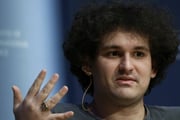
Sam Bankman-Fried told investors the crypto exchange needs $4 billion to remain solvent. Meanwhile, U.S. authorities are investigating FTX.

Greed alone doesn’t explain the appalling acts some advisers commit against their clients.
The brokerage has opened up a wait list for its new service Fidelity Crypto which will offer custody and trading of Bitcoin and Ethereum.
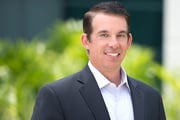
At TD Ameritrade, Patullo oversaw the strategic direction of adviser-facing technology and spearheaded the open-architecture approach to third-party integrations.

The self-regulator formally removes the $310,000 ceiling on the fines that can be imposed on midsize and big brokerages.

VRGL's $15 million Series A round, FMG's acquisition of Vestorly, Farther's funding round and Orion's partnership with Apex Clearing are among the highlights of this month's roundup.

Regulators, analysts and financial advisers worry the easy access to enhanced performance will hurt unsophisticated investors.

A roundup of the week's fintech news includes Cetera's adoption of Broadridge's new digital communications tool, Orion's reorganization and Morningstar's attempt to make sustainable investing more engaging.
An academic study finds retail stock trades are getting done at significantly different prices, depending on the brokerage.

Both Modern Life and Farther closed $15 million funding rounds, suggesting technology for advisers is still seen as an attractive opportunity.

Some startups have already made moves to prepare for an extended bear market, but now the crunch is coming to more established fintech brands.
