
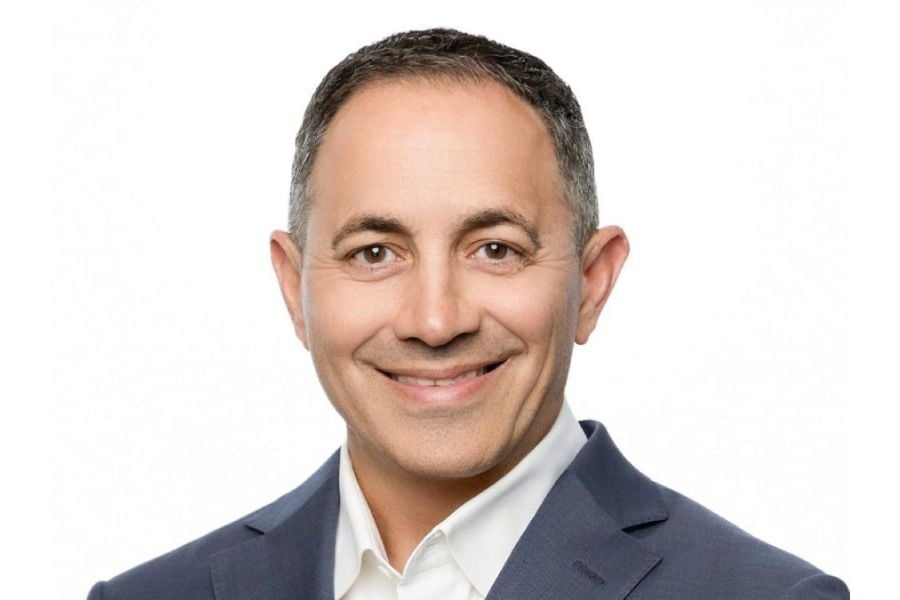
Health and wealth are somewhat intertwined for Alex Shahidi, co-chief investment officer and managing partner at Evoke Advisors in Los Angeles and host of the “Insightful Investor” podcast. He says it’s not until something goes wrong that your main priorities shift – and to really thrive, and help your clients thrive, awareness and continuous education are paramount.
“I launched my career 25 years ago as my first job out of school – I’m still here and working harder than I probably ever have. That’s largely because there’s so much insight that the industry as a whole needs to learn.”
And by the industry, Shahidi means everyone from investors to clients to financial advisors and investment managers.
“The first decade of my career, the stock market was negative with two 50 percent declines,” he says. “What you learn in that period is the importance of minimizing losses during the unexpected economic collapses. That feeds into diversification and what it really means to be diversified.”
Shahidi is quick to emphasize the importance of diversification, likening it to an individual’s health.
“Your health is always priority No. 1,” he explains. “But if you go through a stretch where you don’t fall ill and people around you are doing well, it’s not until something bad happens to yourself or a loved one’s health that health becomes a priority again. It always was No. 1, but you just forgot about it – and I think about risk for investing in a similar way.”
Shahidi believes most investors are just not that well diversified – something which could go undetected during favorable environments but cause issues down the line.
“If you just look at a conventional 60/40 portfolio – 60 percent stocks, 40 percent bonds – that portfolio is about 98 percent correlated to the stock market,” he says. “In other words, it basically makes a single bet. The reason it’s so highly correlated is because you have 60 percent of the portfolio in an asset that is very volatile and 40 percent of the portfolio in something not very volatile. The performance of the more volatile 60 percent dominates the outcomes. To me, that’s a big problem – because the first tenet you’re taught in investing is don’t put all your eggs in one basket.”
Instead, Shahidi recommends owning multiple asset classes that could do well in different economic environments, like commodities, gold, inflation-linked bonds, and Treasuries.
“If you diversify across the environments, you can essentially eliminate the risk of a lost decade,” he says. “Then you can structure those assets in a way where they have a similar return and risk over the long run. You don’t have to have this trade-off between high-risk, high-return stocks, low-risk, low-return bonds – having to choose between the two based on your risk and return objectives. You can rebuild the menu and select from diverse asset classes that you can essentially structure to have similar return and risk.”

Federal prosecutors say the scheme used fake investment accounts and a fictitious financial advisor to lure victims into romance-fueled fraud.

Morgan Stanley sought to claw back recruiting bonus money from Darryl Cohen.

Referrals from centers of influence may open the door, but the real key to success for advisors comes from clarity about their ideal clients and where they want to show up.

Three advisor groups overseeing more than $700M in combined client assets head to new firms.

New research finds most Americans fear a US retirement crisis, while skepticism grows toward AI financial advice and crypto in retirement plans.
Northern Trust’s Ken Lassner shows advisors how to convert volatility into after-tax portfolio gains
Dan Biagini of American Equity says the steady decline of pensions, longer lifespans and a reset in interest rates are rewriting how advisors build retirement income

