
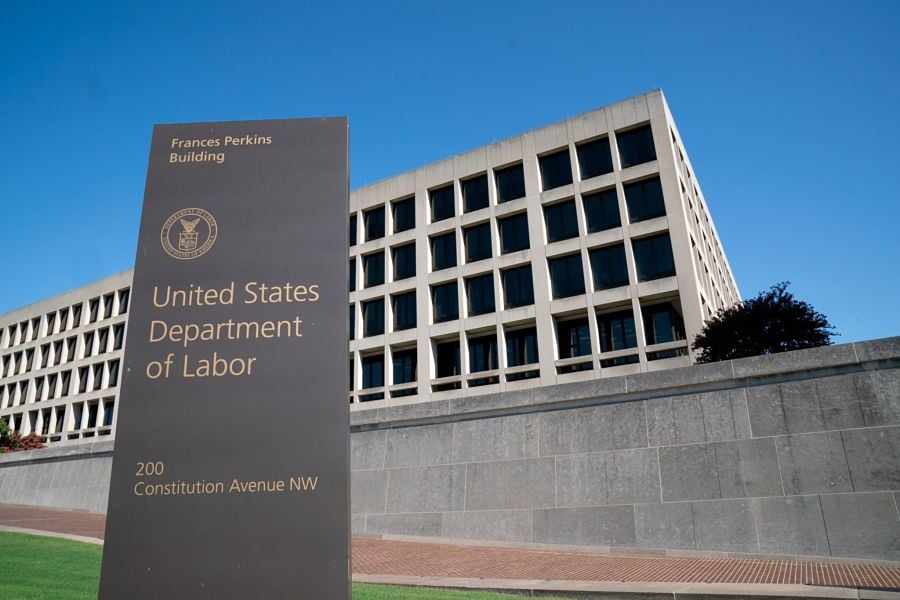
The DOL today issued its much-anticipated rule for the use of ESG investments in retirement plans, effectively walking back two Trump-era rules that were finalized last year.
In the single rule proposal, “Prudence and Loyalty in Selecting Plan Investments and Exercising Shareholder Rights,” the Department of Labor would modify requirements outlined in the two rules from last year, “Financial Factors in Selecting Plan Investments” and “Fiduciary Duties Regarding Proxy Voting and Shareholder Rights.”
The rules from the end of the Trump administration did not expressly prohibit 401(k)s and other retirement plans from including investments with environmental, social and governance criteria from being included, but they contained language that ESG proponents characterized as having a chilling effect. However, the investment-selection rule did effectively prohibit plans from using ESG-specific funds as the default options, which was a major blow to those products.
The DOL specifically addressed that concern in the proposed rule, noting: “[i]f a fund expressly considers climate change or other ESG factors, is financially prudent, and meets the protective standards set out in the department’s QDIA regulation … there appears to be no reason to foreclose plan fiduciaries from considering the fund as a QDIA.”
But, it noted, the proposal “adds a new requirement that the collateral-benefit characteristic of the fund, product, or model portfolio must be prominently displayed in disclosure materials provided to participants and beneficiaries.”
In an announcement, acting head of the Employee Benefits Security Administration Ali Khawar said that DOL is indeed trying to reverse course from the Trump administration.
“The proposed rule announced today will bolster the resilience of workers’ retirement savings and pensions by removing the artificial impediments — and chilling effect on environmental, social and governance investments — caused by the prior administration’s rules,” Khawar said. “A principal idea underlying the proposal is that climate change and other ESG factors can be financially material and when they are, considering them will inevitably lead to better long-term, risk-adjusted returns, protecting the retirement savings of America’s workers.”
The preamble to the proposed rule notes that the DOL last year removed most of the language specific to ESG investments from the final versions of the Trump-era rules governing 401(k)s and other retirement plans. The proposal seeks to clarify that ESG factors can be financially material.
“The department is concerned that the current regulation has created a perception that fiduciaries are at risk if they include any ESG factors in the financial evaluation of plan investments, and that they may need to have special justifications for even ordinary exercises of shareholder rights,” the DOL noted in the new proposed rule. “The amendments proposed in this document are intended to address uncertainties … relating to the consideration of ESG issues, including climate-related financial risk, by fiduciaries in making investment and proxy voting decisions, and to provide further clarity that will help safeguard the interests of participants and beneficiaries in the plan benefits.”
The proposed rule “makes clear that climate change and other ESG factors are often material and that in many instances fiduciaries to should consider climate change and other ESG factors in the assessment of investment risks and returns.”
The DOL has for years provided guidance on the use of ESG investments in retirement plans, although the tone of that guidance has varied slightly between different administrations. It was sometimes in question whether ESG factors could be considered material or if they could only be used as a tie-breaker in selecting otherwise identical investments. Given that ESG is not widely used in 401(k)s, even a hint that the DOL was scrutinizing those investments was enough to keep ESG off the table for most plan sponsors.
Early in President Joe Biden’s term, he announced an intention of revisiting the rules, through an executive order focused on climate crisis. In March, the DOL disclosed that it would reexamine the rules under the Administrative Procedure Act and going forward would not enforce provisions in the Trump-era rules. The president followed with another executive order in May that directed the DOL to consider issuing a rule that would revise or rescind the two rules.

Daejon Love and Taylor Chan's $1.3 million romance fraud scheme exposes how AI search engines can be manipulated by fabricated online identities

“It was a third party scam,” said the attorney representing the claimants.

Meanwhile, &Partners draws another Commonwealth practice, and Wealthcare welcomes a $550 million planning practice in the Northeast.

Palo Alto AI platform recruits RIA and fintech leaders as industry data show AI adoption reshaping advisor staffing.

Meanwhile, Raymond James, Wedbush, and LPL recruited veteran advisors from across Texas, North Carolina, and California.
Northern Trust’s Ken Lassner shows advisors how to convert volatility into after-tax portfolio gains
Dan Biagini of American Equity says the steady decline of pensions, longer lifespans and a reset in interest rates are rewriting how advisors build retirement income

