
Shhh! Quiet everybody. The S&P 500 may be up almost 5 percent this year after returning more than 20 percent in each of the past two years. But there are bears out there.
They are coming out of hiberation, and financial advisors are hearing them growl.
Bearish sentiment among individual investors, or expectations that stock prices will fall over the next six months, reached 47.3 percent in last week's survey from the American Association of Individual Investors (AAII). This is the highest bearish level since November 2023.
Bullishness, on the other hand, declined 4.9 percentage points to 28.4 percent, while neutral came in at 24.3 percent. Bullish sentiment is below its historical average of 37.5 percent for the fifth time in seven weeks.
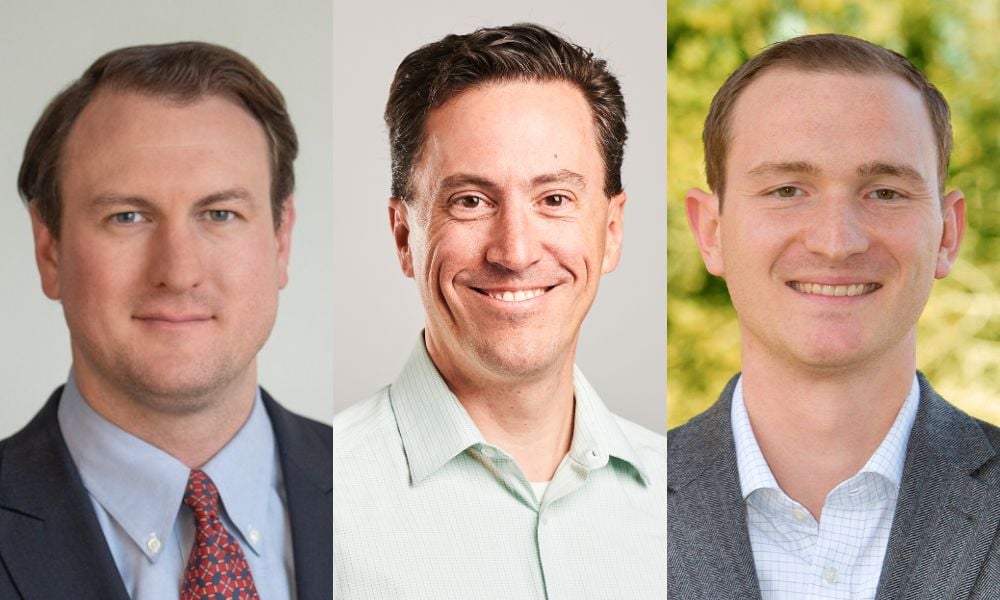
Tom Graff, chief investment officer at Facet, said he is definitely hearing more nervousness from clients. He said it is partly driven by uncertainty around the Trump administration, yet he also believes the hype around AI is reminding people of the 1990s prior to the crashing of the internet stock bubble.
Regarding the uncertainty surrounding President Donald Trump’s economic plans, 57.4 percent of respondents in the AAII survey believed his tariffs will slow growth and increase prices.
“At Facet we're hearing it from all channels. We run a monthly live event where we take any and all questions from our members, and worries about the stock market have been the dominant theme ever since the election,” Graff said.
Graff advises against being dismissive when a client is worried. Instead, he soothes fragile nerves by explaining how his portfolio construction is built with various risks in mind.
“It is generally true that sticking to your long-term plan is the right move. But I think just blithely telling investors to stay the course risks seeming myopic,” Graff said.
Christian Bryant, president and chief investment officer at Nold Bryant Planning & Investments, has also witnessed an uptick in bearishness from clients. Nevertheless, he said bearish sentiment spikes are common among his clientele when the market is at or near all-time highs, as there is “a feeling that the good times can’t last, and with every negative headline being amplified in our client's minds.”
Bryant said he saw the “usual pre-election jitters” from our clients last fall, but that has only increased with concerns around fiscal policy, especially tariffs. This has primarily taken the form of calls and emails with clients who often refer to bearish articles they have read or stories they’ve seen on TV.
“We try to compassionately listen to our clients' fears, even if they aren’t the ones we share, and then use clients' financial plans to draw their attention to their long-term goals. We spend less time telling clients why a particular fear won’t materialize and more time showing them how their financial plans and investment strategy have been prepared with these negative events in mind,” Bryant said.
Finally, Stash Graham, managing director and chief investment officer of Graham Capital Wealth Management, said he has not yet seen a change in sentiment from clients. He said sentiment surveys tend to conflict, often due to political affiliations, so he does not put a great deal of stock in them.
“Most recently, you saw this with forward-looking inflation expectations in the University of Michigan consumer sentiment survey,” Graham said. “Democrats expect inflation to rise materially, while Republicans believe inflation will fall in the coming years.”
He also believes there is a difference between what people are saying and what they are doing.
“There could be a negative sentiment among some participants, but over the last six months, we have seen consistent capital inflows into domestic equity and fixed-income funds. Admittedly, the inflows have slowed from the beginning of the year. However, some of this is seasonal, and we are still experiencing more investors putting capital into the market than taking out,” Graham said.
Nevertheless, he does patiently allay the fears of the ones that reach out.
For example, if a client is concerned about the impact of Trump’s tariffs on the economy, he explains to them that they are “just threats and have not been implemented.”
“We remind them that the start date of the tariffs is getting pushed back at an above-average rate, which tells us that leaders do not want tariffs but are continuously using the tariff threat as an instrument for other negotiations between sovereign countries,” Graham said.

LPL Financial and Raymond James also add independent advisors from Osaic and Edward Jones in Michigan and Arizona.

The SEC-registered RIA advises on more than $1 billion in client assets, with no advisory fee through 2027 and no human financial advisors.

The four wirehouse firms lost 1,449 experienced advisors and recruited 932 in the first six months of the year, according to Diamond Consultants.

Merit's 10th Commonwealth addition deepens its Western New York reach, while another Hightower partner joins its Signature Wealth platform in Michigan.

Report on Climate Action 100+ signals risk for passive managers' 13G status heading into the 2027 proxy season.
Knighthead Life entered the market with a competitive MYGA. A strong launch earned advisor confidence and paved the way for FIAs.
As AI makes financial information more accessible than ever, Lana Hock explains why human judgment, trust, and empathy remain the qualities clients value most in a financial advisor

