
Wealth managers need not bemoan the recession if it finally arrives. They should make the most of it.
Recessions are second only to receiving an inheritance as a driver of growth for advisors, according to last week's How Investors Choose 2025 report by the Ensemble Practice. The loss of a spouse came in a close third as a major factor driving the need for advisory services.
And based on the recent adjustments by Wall Street’s banks in the wake of the President’s tariff announcements, the threat of a recession is becoming all the more real. JP Morgan, for example, increased its recession odds to 60 percent from 40 percent post-Trump’s “Liberation Day”, while Goldman Sachs now sees a 45 percent chance of a US recession, up from 35 percent, in the next 12 months.
Said David Kelly, chief global strategist at JP Morgan Asset Management in a note this morning, “As an economist, I’d have to say the odds still favor the economy slipping into a mild recession later this year as demand is reduced by the impact of the trade war on consumer prices, exports and international tourism, supply is disrupted by the impacts of tariffs on supply chains and immigration policies on labor supply, and businesses freeze hiring and capital spending, given the level of uncertainty.”
So given the increasingly dour outlooks of Kelly and fellow practitioners of the dismal science in conjunction with the idea that recessions can spur AUM growth, what can advisors do right to maximize their business opportunities should things in the economy go terribly wrong?
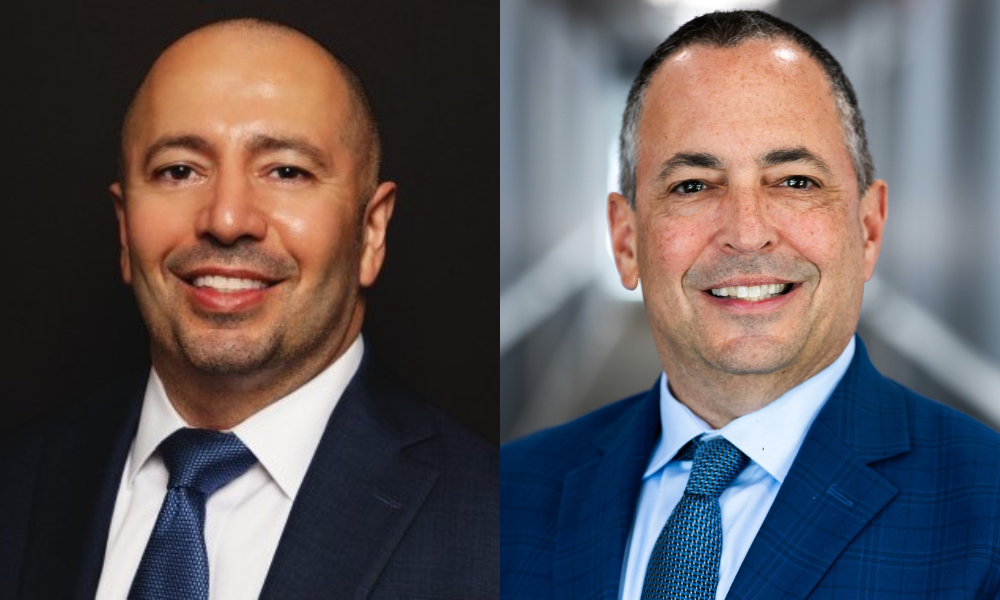
Jonathan Viscounte, financial planner at Prudential Advisors, for one, believes the need for a wealth manager becomes clearer during a recession. And the key to effectively marketing that particular need is by emphasizing the value of stability, security, and long-term planning.
“Wealth managers should focus on educating clients and prospects about the importance of a diversified portfolio and the benefits of a strategic, long-term investment approach. Highlighting success stories and case studies where clients have weathered economic storms can be very reassuring,” Viscounte said.
Additionally, he believes offering free educational webinars or workshops on topics like risk management, tax optimization, and estate planning can position the wealth manager as a trusted resource.
Elsewhere, Louis Green, wealth manager at Savvy Advisors, believes advisors should be proactive in their outreach during times of economic dislocation. They should use a downturn to demonstrate their ability to remind prospects of their holistic approach to wealth management which is not only investment focused.
“They could for example demonstrate how they focus on the client's entire balance sheet, or take a downturn as an opportunity to determine if tax related strategies such as Roth conversions now present a better opportunity,” Green said.
Moving on, Dirk Hall, COO of Ballast Rock Private Wealth, points out that robo-advisors have turned advice almost into a commodity, and other investors who are either self-directed or have too small of a portfolio to access a live advisor at their own firms are left having to navigate recessions on their own. That’s an opportunity for referrals in his opinion.
“Asking existing clients for referrals now is a great approach, because they can share their own positive interactions with their advisors with potential clients who don’t have that benefit,” Hall said.
Hall added that advisors who focus on business owners also have a golden opportunity in the middle of tough economic times. He notes that new business creation historically happens in earnest during recessions, as people who are either laid off or worried about their own jobs often take the plunge to get their own companies off the ground.
“Microsoft (Ticker: MSFT) was started amid the economic slump of the mid-1970s, while tech companies like AirBNB came out of the Great Recession. Advisors can position themselves as being helpful beyond managing a portfolio to lending their advice to getting a business off the ground, running, and thriving,” Hall said.
Meanwhile, Louis Calabrese, chief marketing officer with Robertson Stephens, advises wealth managers to “over-communicate.” Since most new clients are obtained through referrals, he recommends reaching out to clients first to ensure they are doing okay, and then see if any friends, family, or colleagues need a second opinion or insights on their investments.
“Financial advisors are in the business to help people, and this is the best time to share your expertise and pick up some new clients along the way,” Calabrese said, adding that downturns are also a great time to create content such as webinars to stay in contact with clients.
Speaking of content, Lisa Larrivee, director of content marketing at XYPN, said the best way to grow one’s firm during a downturn isn’t to cast a wider net—it’s to go deeper. She suggests identifying one’s ideal client and creating content that speaks directly to their challenges.
“Maybe a blog directed at millennial families who need help navigating job instability, or a short YouTube video offering high-level advice supporting tech professionals through equity compensation uncertainty, or guiding newly single retirees through complex financial transitions with an infographic that's ‘Choose Your Own Adventure’-style and helps them understand what their options are,” Larrivee said.
“Whatever it is, the more specific, the better,” emphasized Larrivee.
Finally, Daniel Crosby, chief behavioral officer at Orion, noted that downturns are when financial advice becomes “emotionally essential.” In good times, clients think they’re geniuses, said Crosby. In bad times, they remember they’re human.
“That’s your moment. Uncertainty makes people reevaluate the quality of their current advisor, or whether they need one at all. This is when switching costs are lowest and behavioral inertia is weakest. If you're visible, calm, and credible while others panic, you become the lighthouse.”

Shorter waits for failed SIE and Series 7 candidates take effect Jan. 19, speeding the path to registration

Raymond James and Cetera also welcomed advisors from UBS and LPL as competition for experienced teams stays fierce

Jim Walesa worked in the securities industry for 39 years before leaving in 2021.

As the market turned from pricing in cuts to betting on hikes this year, the developing reality of a K-shaped economy has had real implications for households and investors alike.

Alleged cash payments, stolen client data, and a court that jumped the gun
Knighthead Life entered the market with a competitive MYGA. A strong launch earned advisor confidence and paved the way for FIAs.
As AI makes financial information more accessible than ever, Lana Hock explains why human judgment, trust, and empathy remain the qualities clients value most in a financial advisor

