
Why did the so-called “Oracle of Omaha” completely sell out of his S&P 500 index funds? And what’s the deal with all that cash on his balance sheet?
Inquiring financial advisors are dying to know.
Warren Buffett's Berkshire Hathaway (Ticker: BRK-B) completely exited its position in two S&P 500 index funds in the fourth quarter, both of which were initially purchased in the fourth quarter of 2019, according to the company’s quarterly and annual results released last week.
The report also revealed that Berkshire Hathaway's cash stockpile ended 2024 at a hefty $334 billion, or nearly 30 percent of the investment company’s total assets. Moreover, that cash position doubled over the course of last year, helped along by significant sales in its publicly traded equities portfolio of big-name stocks like Bank of America (Ticker: BAC) and Apple (Ticker: AAPL).
Berkshire's stock performed extremely well last year, with class B shares generating a 27 percent return and beating the broader market's 23 percent return.
The 94-year-old Buffett didn’t offer much insight into his rational for holding all that cash, nor did he give his thoughts on current market conditions.
In his accompanying letter to shareholders, he noted that, “Despite what some commentators currently view as an extraordinary cash position at Berkshire, the great majority of your money remains in equities.” He added: “That preference won’t change.”
Moreover, regarding his cash position, Buffett reiterated his long-held stance that “Berkshire will never prefer ownership of cash-equivalent assets over the ownership of good businesses, whether controlled or only partially owned.”
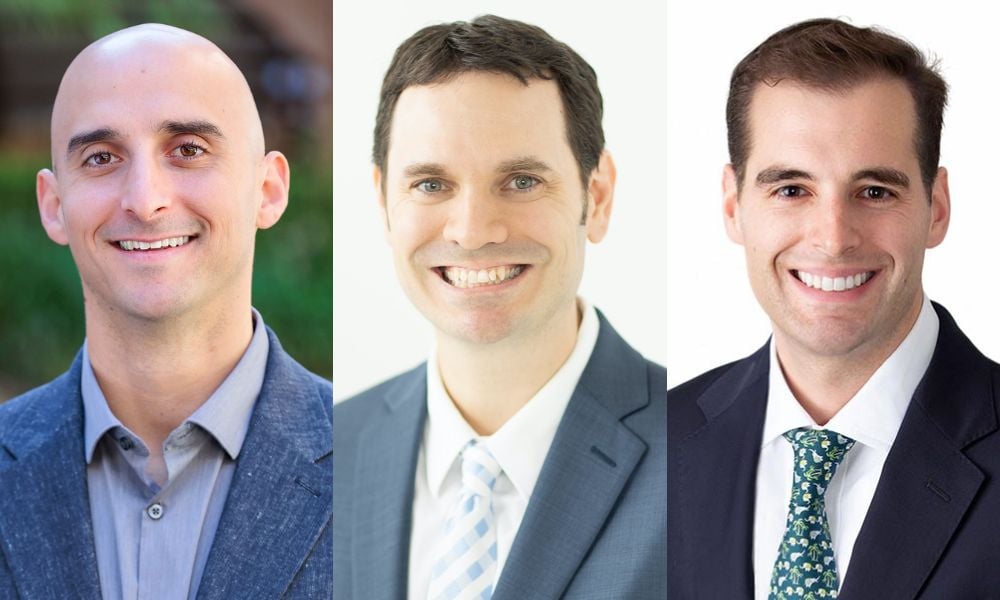
Eric Amzalag, founder of Peak Financial Planning, holds Berkshire B-shares in 80 percent of his client portfolios. In his view, Berkshire has maintained an elevated cash position for quite some time, so he does not consider Buffett’s decision to reduce exposure to the market-cap weighted index last year as being particularly bearish.
Instead, he interprets it as a “prudent investment management action.”
“He is essentially taking profits as a result of several years of outperformance,” Amzalag said. “I don't necessarily look at Warrens Buffet's moves as any sort of ‘indicator,’ although I can understand the thought process behind it.”
Christopher P. Davis, partner at Hudson Value Partners, also holds Berkshire Hathaway across all of his investment strategies. Davis called the conglomerate's insurance and investment engines “second to none” and categorized their long-term ownership of whole businesses as “private equity with the right incentives.”
“We don't see the higher cash position as bearish for the entire market, but rather the byproduct of a portfolio of highly cash generative businesses and trimming some more expensive holdings,” Davis said.
Since it is hard for an acquisition to move the needle at Berkshire, Davis believes that Berkshire is "saving up" to ultimately buy back Mr. Buffett's stake after it is donated to charity upon his passing. Given his own estate plan to donate nearly all of his $158 billion stake in the company to charitable foundations run by his children and the stipulation that those funds must be spent within in a decade, Davis thinks those shares eventually end up in a “very accretive” block buyback.
“Such a transaction would take a large dent out of the cash pile and be a once-in-a-lifetime way to meaningfully grow EPS,” Davis said.
Moving on, Tim Bartlett, senior portfolio manager at Unique Wealth, holds a small allocation to Berkshire in one of his all-equity models. Bartlett said Buffett’s cash buildup is “something to be aware of” but doesn’t think it’s a bearish signal because “Buffett and his team has a set of valuation rules they stick with.”
And no, he does not factor in Buffett’s portfolio moves when making his own investment decisions.
“We stick with a disciplined intermediate view on portfolio design and don’t make short-term trading decisions,” Bartlett said.

The financial advice industry has been facing inquiries into its cash sweep programs for years now.

Investor money allegedly went to strip clubs, exotic cars, and landscaping

Procyon adds $415 million in assets under management in New Jersey while Savant picks up a $213 million Southern California planning firm

With a growing number of real estate-rich Baby Boomers aging into retirement, some advisors may be failing to consider all the options available for those clients' assets.

Cornerstone Advisors study reveals compliance bottlenecks stall campaigns weeks after customer opportunities close.
As AI makes financial information more accessible than ever, Lana Hock explains why human judgment, trust, and empathy remain the qualities clients value most in a financial advisor
Northern Trust’s Ken Lassner shows advisors how to convert volatility into after-tax portfolio gains

