
Elon Musk's promise to give every American child a SpaceX share next year has handed wealthy families a ready-made opening to talk to their kids about investing. Financial advisors say what happens after that first share arrives will reveal far more about a child's readiness for family wealth than the stock itself.
"Next year, I will give one of my SpaceX shares to every kid in America," Musk wrote on X on Oct. 19, 2026. "This will be the first of many." He offered no details on how the shares would be distributed or who would qualify.
The gift would be sizable. There were just over 72 million Americans under 18 as of July 1, 2025, according to the U.S. Census Bureau. At SpaceX's closing price of $146.03 on Oct. 16, 2026, one share per child would total roughly $10.5 billion in stock.
The pledge follows an earlier commitment from SpaceX President Gwynne Shotwell and her husband to fund a share for each of more than 2 million children through Trump Accounts. Those government-backed investment accounts, created under the 2025 tax law, receive a $1,000 federal deposit for children born from 2025 through 2028 and accept after-tax contributions of up to $5,000 a year. Musk hasn't said whether his gift would flow through the program.
For advisors serving affluent households, the timing is notable. InvestmentNews has reported that estimates of the Great Wealth Transfer may be smaller than once projected, but firms still stand to gain by getting to know heirs early. A first stock, advisors say, can be where that preparation starts.
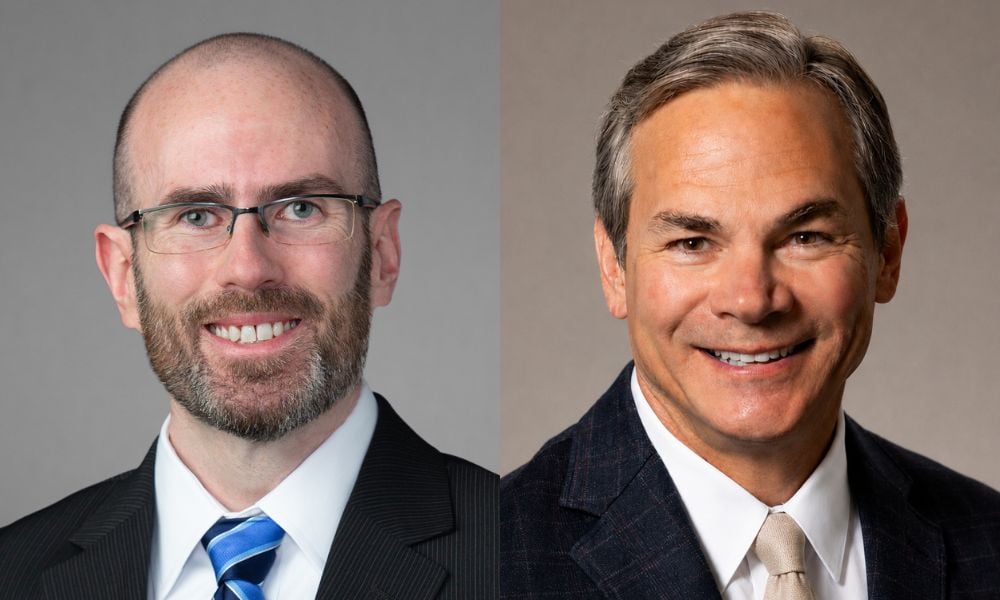
Tim Brown, partner and senior wealth advisor at Mission Wealth, sees an individual stock as a strong entry point for young investors. The priority, in his view, is sparking curiosity, and a company a child already knows from the news or finds exciting is easier to grasp than a fund.
"Take SpaceX, for example. What child wouldn't be excited about owning a piece of a company that sends rockets into space? Suddenly, investing becomes something interesting and tangible rather than just numbers on a statement," Brown said.
That enthusiasm, he added, can lead to broader lessons about how companies grow and why wealth compounds over time. As relatives make more gifts and the child starts adding savings of their own, Brown suggests parents bring in diversified funds and explain the risk of concentrating everything in one holding. A single stock, he noted, makes a good starting point but a poor foundation for a whole portfolio.
Michael Pumphrey, wealth advisor at Tanglewood Total Wealth Management, would rather children begin where most portfolios should end up: in broad, diversified funds. His own first investment illustrates why.
"I still remember my parents buying me an individual stock in my teens, in a company we would all know, which went bankrupt in the early 2000s. Had that been invested in the broad U.S. market instead, it would be worth around 30 times the original investment 30 years later. A diversified fund, while less exciting, also gives a child a steadier first experience of investing, and those early experiences often shape habits for decades," Pumphrey said.
He doesn't rule out speculation entirely. Pumphrey suggests parents set guardrails, such as limiting riskier bets to about 10% of a child's portfolio while keeping the rest diversified. Just as important, he said, is walking through the reasoning behind each decision and reviewing the outcome together, whether it worked or not.
Both advisors see losses as useful, particularly when the dollar amounts are small. Brown said a decline opens the door to discussing risk, diversification and long-term investing, and that the goal is to keep a first setback from souring a child on markets altogether.
"I would encourage parents to resist the temptation to immediately step in and fix every mistake. Instead, help the child understand what happened, what they might do differently, and why having a long-term perspective matters," he said.
"It's much better to learn a valuable investing lesson with a $100 mistake at age 15 than a $100,000 mistake at age 35. And how a child responds to that mistake may tell us more about their financial maturity than how much money they've made on their investments," Brown said.
Performance, the advisors agree, is a weak signal. Brown looks instead at character, habits and judgment.
"A child who picks a stock that doubles in value may simply have been lucky. But a child who consistently saves money, spends thoughtfully, works hard, and makes responsible financial decisions is demonstrating something much more important," he said.
Brown also points to a work ethic, noting that children who earn their own money tend to value it more, and to a genuine interest in charitable giving. Red flags include heavy spending, poor discipline, reluctance to work, and more serious problems such as gambling or substance abuse, any of which should prompt parents to slow down. For families looking at connecting with the next generation of family members, he recommends a gradual handoff.
"I encourage parents to gradually increase the financial responsibility they give their children rather than handing over substantial assets all at once. Give them opportunities to make decisions, experience consequences, and demonstrate good judgment along the way," Brown said.
Pumphrey framed readiness in similar terms, and advisors engaging with and winning over the next generation may find his yardstick useful in client conversations.
"Investing largely comes down to building good behaviors that allow one to stay the course over the long term. Just as important is a healthy relationship with money, including spending and saving for the right reasons. If a child can show these positive traits over time, as well as in other aspects of their life, that is a good sign they can be trusted with more responsibility," he said.

A four-advisor group from UBS joins Raymond James in Beachwood while a 36-year Cetera veteran moves his $390 million practice to LPL.

Bluespring, Robertson Stephens, Cetera and Aprio each close acquisitions as independent advisory firms weigh their next chapter.

The $71 billion firm’s latest tuck-in lands as middle-market sellers face rising buyer selectivity and steeper equity demands.

Executives allegedly sold while key revenue metric was inflated.

The advisor, Gregory W. Ricker, started his career in the securities industry in 1995.
Knighthead Life entered the market with a competitive MYGA. A strong launch earned advisor confidence and paved the way for FIAs.
As AI makes financial information more accessible than ever, Lana Hock explains why human judgment, trust, and empathy remain the qualities clients value most in a financial advisor

