
Americans' retirement savings have never been larger, and that is pushing financial advisors toward a harder question than how to grow them: how to spend them.
Advisors say retirement withdrawal strategies built around portfolio returns alone are falling short as more of that money moves into distribution. Total US retirement assets reached $51.2 trillion as of June 30, 2026, up 7.9% from the end of March, according to quarterly data from the Investment Company Institute. That builds on the record US retirement assets reported for 2025, and retirement savings now account for 33% of all US household financial assets.
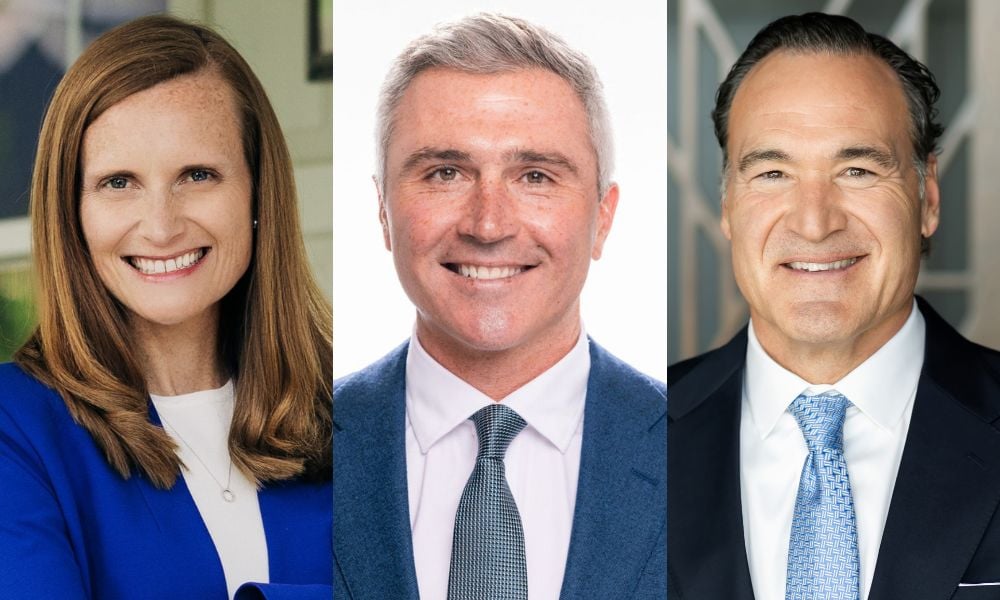
Richard Keetley is a certified financial planner and executive vice president at QL Wealth Advisors of Janney Montgomery Scott in Lutherville, Maryland. He said a peak account value should be treated as a milestone, not a plan.
"It is easy to follow a financial plan and withdrawal strategy when markets are high. What matters most is having both in place when they are not. The real work begins when a portfolio must start funding a life, and there is no universal formula for that transition," Keetley said.
That transition, he said, requires advisors to understand a client's full financial picture. They must also coordinate taxable, tax-deferred and Roth assets so income is drawn from the right account at each stage of retirement.
Angelo Esposito Jr. is a certified financial planner and founder and private wealth advisor at Atlanta-based Harbor View Private Wealth. He said every withdrawal plan should rest on a comprehensive financial plan covering income goals, allocation, risk tolerance and legacy objectives. A common mistake, he said, is overloading on income-producing investments, since rising rates can hit income-oriented assets across several asset classes at once. He favors a balance of growth and income.
Bonnie Treichel is an ERISA attorney and founder and chief solutions officer of Endeavor Retirement, a retirement plan consultancy based in the Kansas City area. She said planning should start well before age 55 or 60. Which account a client taps first can matter as much as how much they take, she said. That includes weighing Roth against traditional accounts and preparing for required minimum distributions, the annual withdrawals the IRS mandates from most tax-deferred accounts once savers reach a set age.
"Fees and benchmarks absolutely matter, but they are only inputs. Near retirement - and even for years before - the more important question becomes: 'Is my portfolio and overall plan capable of supporting the life I want to live in retirement?'" Treichel said.
Keetley made a similar point. An index never retires, takes a withdrawal, pays a tax bill or funds a lifestyle, he said. Clients should instead judge whether their strategy produces sustainable after-tax income and manages risk.
"Near retirement, the best measure is not simply how the portfolio performed, but how well the overall strategy is prepared to fund the life ahead," Keetley said.
Esposito said clients often treat an advisory fee as a pure cost, when its value shows up in tax efficiency and asset protection.
"Benchmarks have a similar blind spot. They're useful for evaluating individual investments and managers, but they look in the rear-view mirror, while clients live in real time, where financial decisions carry emotion and stress," Esposito said.
The emotional hurdle is well documented. Treichel pointed to a Corebridge Financial research finding that only 28% of pre-retirees and retirees are comfortable with their savings declining to cover living expenses. The Greenwald Research survey of 2,210 adults aged 45 to 79 with at least $100,000 in investable assets also found 70% consider it very important that their nest egg not shrink. Earlier research has shown that retirees with guaranteed income spend more freely than those relying on portfolios.
"A large part of spending in retirement is the behavioral shift to mentally moving from saving to spending," Treichel said.
Treichel recommends anchoring essential expenses with guaranteed income and covering discretionary spending from investments.
"As an advisor, you might recommend your client pair guaranteed sources, which will cover essential expenses, with investment-based income, which provides growth and flexibility. This balances stability against risk," she said.
Many workplace retirement plans now offer new guaranteed income solutions, some with automatic enrollment, she said. Industry data, meanwhile, shows pre-retirees want guaranteed income but advisor adoption lags. She also favors guardrails, a withdrawal method that sets upper and lower spending limits and adjusts payouts when a portfolio crosses them.
"Guardrails can keep withdrawals on track when markets move. Like the bumpers on a bowling lane, they set upper and lower limits. The goal is to make small, planned adjustments instead of large, reactive ones, so that clients know ahead of time what will happen in a bad year or a good one," Treichel said.
Esposito said the shifting relationship between asset classes has forced changes at his firm.
"In recent years, stocks and bonds have moved together far more often than investors were accustomed to, so traditional portfolios need additional strategies and asset classes to manage risk and generate income. At Harbor View, we've incorporated options strategies, private credit, structured products, and real estate to produce portfolio income and reduce overall volatility. Each of these carries its own risks and isn't right for every client, so we use them selectively within each client's broader plan," he said.
Keetley takes a structural approach. He separates near-term spending money from long-term growth assets and supports the former with staggered bond maturities, often called a bond ladder. That reduces the need to sell growth assets in a downturn, he said, and lets clients reinvest maturing bonds gradually as rates change.
"The goal is not to predict the next move in rates, but to build a strategy that does not depend on being right," Keetley said.

When advisors have tech to handle meeting prep and organization, it frees up time they can reinvest more thoughtfully into helping clients.

LPL Financial and Raymond James also add independent advisors from Osaic and Edward Jones in Michigan and Arizona.

The SEC-registered RIA advises on more than $1 billion in client assets, with no advisory fee through 2027 and no human financial advisors.

95.8% of house trades were winners. For clients? The SEC says just 14.9%.

The complaint says Duolingo added friction on purpose, then lied about it.
Knighthead Life entered the market with a competitive MYGA. A strong launch earned advisor confidence and paved the way for FIAs.
As AI makes financial information more accessible than ever, Lana Hock explains why human judgment, trust, and empathy remain the qualities clients value most in a financial advisor

