
Advisors may be staying the course and keeping portfolios diversified, but that doesn’t mean it’s getting any easier to ignore the sharp spike in “headline risk.”
As much as financial advisors would prefer their clients tune out the happenings in far off places like Venezuela, Greenland and Iran (at least as far it concerns their respective portfolios), they are increasingly being inundated with client inquiries about the impact of geopolitics on the financial markets. And while it may be frustrating for wealth managers to repeatedly remind clients that successful investing is a long-term endeavor, talking clients off ledges and holding their hands through uncertain times remains a significant part of their job descriptions.
And quite frankly, considering the recent whirlwind of current events, it is fairly understandable for clients to wonder when and if all these global goings-on will come back and hit them in their retirement accounts.
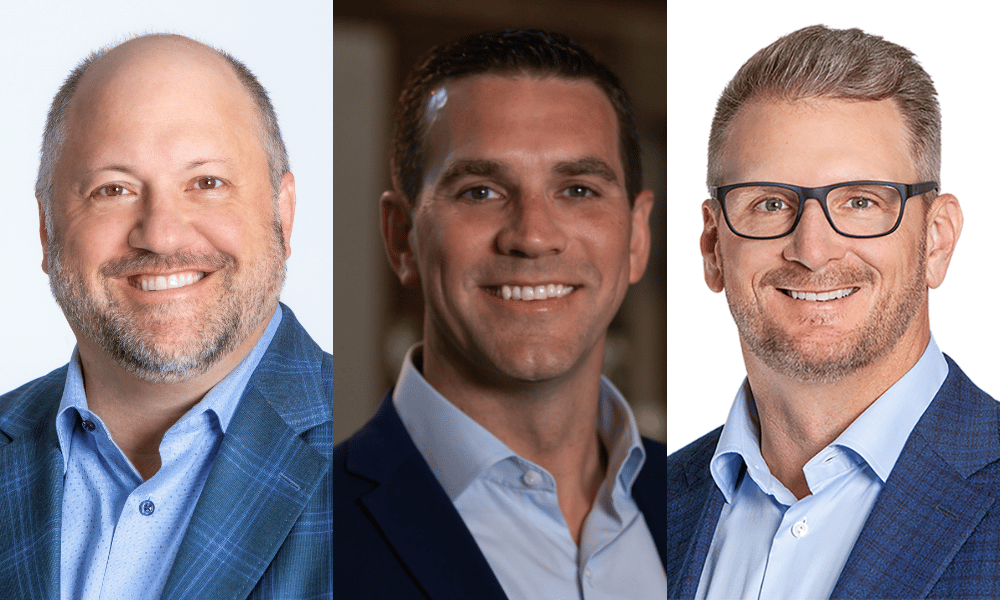
“The noise is real, but the actual policy and its impact is hard to factor in,” said Tim Harder CIO of Quotient Wealth.
“The administration takes clues from the reactions of the market, so any big reaction tends to get a softening response. Traders are fearful of a weekend Truth Social post that walks back or contradicts the earlier pronouncements. Absent implemented policy, business goes on and is becoming numb to this constant drama,” Harder said.
Elsewhere, Brian Glenn, CIO of Premier Path Wealth Partners, points out that war has continued in Ukraine with various levels of entanglement for a number of years and it still has not weighed too much on market fundamentals. And while trade wars and tariffs added to volatility in 2025, he notes that equity investors who have stayed the course have “earned every percentage point of returns.”
“As wealth managers, we would be failing our clients if only now we were reacting to various headlines,” Glenn said.
“In the White House, Trump is trying to chef up an omelet and, for better or worse, seems willing to break a few eggs to do so. We are heightened toward that behavior but think we’ve allocated client accounts to withstand any resulting volatility,” Glenn said.
Perhaps the most anxious of all investors, and understandably so, are those closest to retirement. That’s why Brandon Ross, co-founder and CEO of Quotient Wealth, spends a lot of time walking clients through “sequence-of-returns risks.”
“We help them explore ways to help protect their retirement income plan. Strategies like dollar‑cost averaging and other risk mitigation approaches designed to soften the impact of early tough market environments,” said Ross.

Faulty Forms 1099 and account statements reportedly left some Vanguard brokerage customers overpaying or underpaying taxes for over a decade.

The democratization of ETFs cuts both ways

Independent broker-dealers snap up experienced advisors as competition for established practices intensifies.

Derek Flowers, a nearly 30-year veteran, is set to retire in mid-January, handing the reins to the executive who helped lead the bank's regulatory turnaround.

The campaign spans broadcast TV and streaming, as the brokerage faces slowing client net flows and an $8.1 billion advisor team that left to launch an RIA this month.
As AI makes financial information more accessible than ever, Lana Hock explains why human judgment, trust, and empathy remain the qualities clients value most in a financial advisor
Northern Trust’s Ken Lassner shows advisors how to convert volatility into after-tax portfolio gains

