
Global markets rallied sharply this week as a pause in US-Iran hostilities boosted risk appetite, though investors are increasingly wary that the rebound could prove short-lived.
US equities posted strong gains Wednesday, with the S&P 500 and Nasdaq climbing as investors rotated back into risk assets following days of conflict-driven selling. The relief rally was fueled by expectations that energy supply disruptions may ease, at least temporarily, after the ceasefire announcement.
But as at 5am ET Thursday, US futures were suggesting a slightly negative start for the next session after Iran said Israel’s continued attacks on Lebanon were a breach of the truce, threatening a swift end to the ceasefire.
Crude prices dropped immediately after the truce was disclosed, reflecting reduced fears of supply shocks tied to Middle East shipping routes. But that move quickly reversed, with prices rebounding as traders reassessed the durability of the agreement and the potential for renewed disruption in key transit corridors.
At the center of that concern is the Strait of Hormuz, a vital chokepoint for global crude flows. While traffic has resumed, Iran’s ability to influence passage through the waterway remains intact, leaving markets exposed to sudden supply shocks if tensions flare again. Tehran has suggested that tankers should pay a toll of $1 for each barrel of oil they are carrying to secure passage through the key artery.
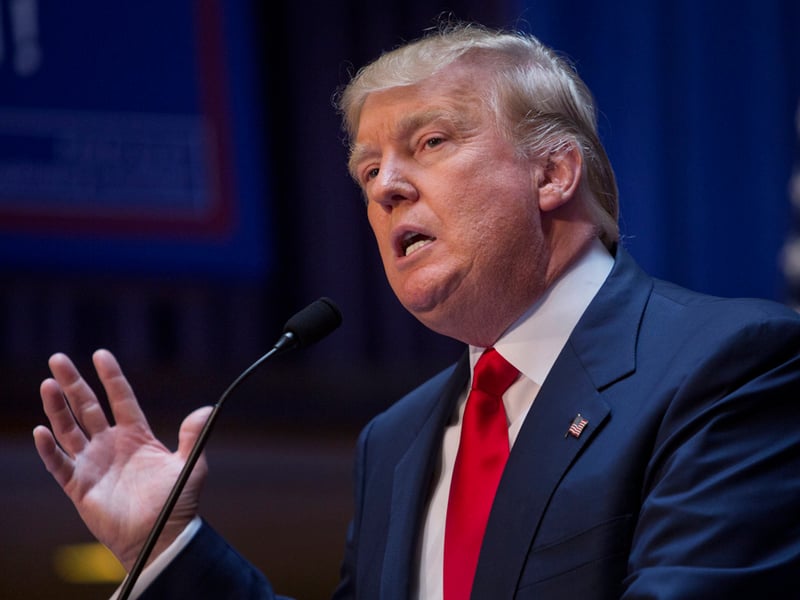
President Trump warned that failure to secure a lasting agreement could trigger a significant escalation, raising the prospect that the current pause may only delay further conflict rather than resolve it.
Beyond the Gulf, additional regional flashpoints are adding to market unease.
Ongoing military activity involving Israel in Lebanon is complicating the broader security backdrop, increasing the likelihood that tensions could spill over and undermine the ceasefire. Investors are also watching for signs that Iran could leverage its regional alliances to maintain pressure even during negotiations.
The result is a market increasingly driven by headlines rather than fundamentals.
Energy stocks have swung in tandem with crude prices, while broader equity gains have been concentrated in sectors most sensitive to geopolitical risk, including defense and commodities-linked names. Meanwhile, safe-haven assets such as gold have given back some gains but remain elevated, reflecting persistent demand for protection against downside scenarios.

Retiring RIA seller David Laidlaw alleges the Carnegie valued his stake on $11.7 million EBITA while pitching potential buyers on $21.3 million.

New tool gives RIAs and family offices AI help vetting private market deals, with some users reportedly halving review time.

Investors got projected returns dressed up as real ones, SEC says

Parents must still act to get the $1,000 federal seed and employer contributions, giving financial advisors a role in the rollout.

FINRA booted Rudy Anguiano from the industry for “conversion - the intentional and unauthorized taking of another person’s property.”
As AI makes financial information more accessible than ever, Lana Hock explains why human judgment, trust, and empathy remain the qualities clients value most in a financial advisor
Northern Trust’s Ken Lassner shows advisors how to convert volatility into after-tax portfolio gains

