
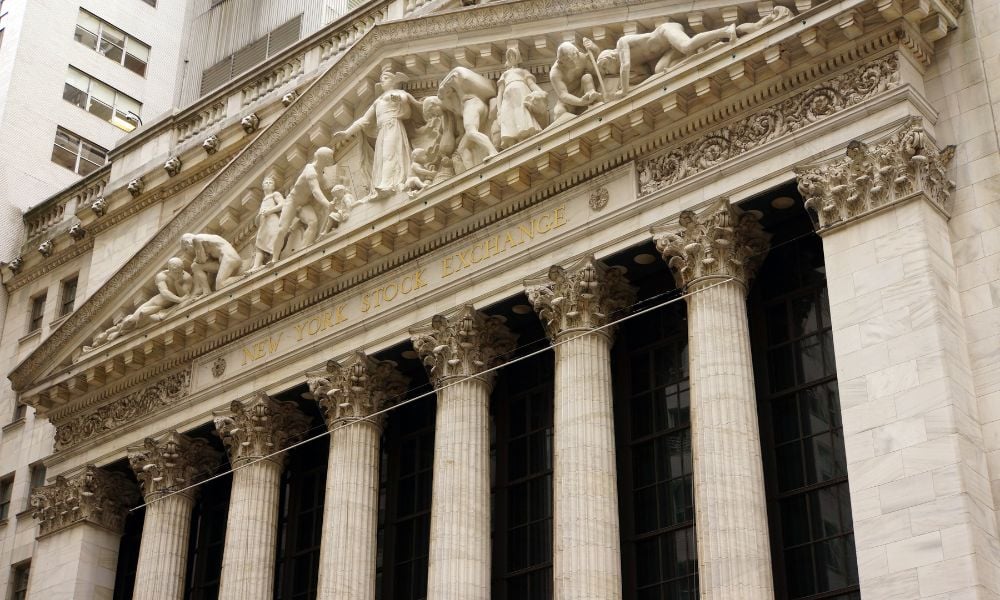
In a move that highlights how quickly capital markets infrastructure is evolving, the New York Stock Exchange is developing a blockchain-based platform for trading tokenized securities, which could ultimately see the end of more than 100 years of opening and closing bells.
If regulators approve the plan, US listed stocks and ETFs could eventually trade around the clock with near-instant settlement, marking a fundamental departure from the traditional market structure financial advisors have long built portfolios around.
The exchange’s owner, Intercontinental Exchange, plans to link the NYSE’s existing Pillar matching engine with blockchain-based post-trade systems. The result would be a venue capable of continuous trading, instant clearing and settlement, dollar-denominated order placement and funding through stablecoins. Tokenized securities on the platform would be interchangeable with conventional registered shares, and investors would retain rights to dividends and corporate governance.
But if US equities become accessible 24/7, will global liquidity patterns shift? Could volatility increase when markets are no longer gated by time zones? And how will portfolio oversight change if settlement occurs nearly instantly rather than on a multi-day cycle?
“For more than two centuries, the NYSE has transformed the way markets operate” says NYSE Group president Lynn Martin. “We are leading the industry toward fully on-chain solutions, grounded in the unmatched protections and high regulatory standards that position us to marry trust with state-of-the-art technology. Harnessing our expertise to reinvent market infrastructure is how we’ll meet and shape the demands of a digital future.”
ICE is also retooling its clearing operations to support continuous trading and is working with major banks including BNY and Citi to integrate tokenized deposits into clearinghouse activity. That collaboration hints at a broader ambition and creating an always-on funding and settlement ecosystem that functions beyond standard banking hours.
“Supporting tokenized securities is a pivotal step in ICE’s strategy to operate on-chain market infrastructure for trading, settlement, custody, and capital formation in the new era of global finance,” says Michael Blaugrund, vice president of strategic initiatives at ICE.
Of course, the practical impact will not be immediate; regulatory approval and industry adoption will take time. But market hours, settlement cycles and even the mechanics of custody are being reimagined and as tokenized trading inches closer to reality, advisors may soon need to rethink how they manage liquidity, monitor risk and explain market access to clients in a world where Wall Street never sleeps.

Texas securities regulators initially accused Lasater RE Fund of fraud in June but later dropped those claims.

Cornerstone Advisors and Clear Pointe Wealth Management mark an unusual double-team addition for LPL as recruiting run extends in Utah.

Investors were promised guaranteed returns from mobile homes that never existed

The Osaic-acquired broker-dealer failed to catch reps steering 295 clients into costly early UIT sales, regulator finds.

Rick Hu of Midas Wealth breaks down the fee-based planning shift that transformed his advisory practice and reshaped client relationships
As AI makes financial information more accessible than ever, Lana Hock explains why human judgment, trust, and empathy remain the qualities clients value most in a financial advisor
Northern Trust’s Ken Lassner shows advisors how to convert volatility into after-tax portfolio gains

