
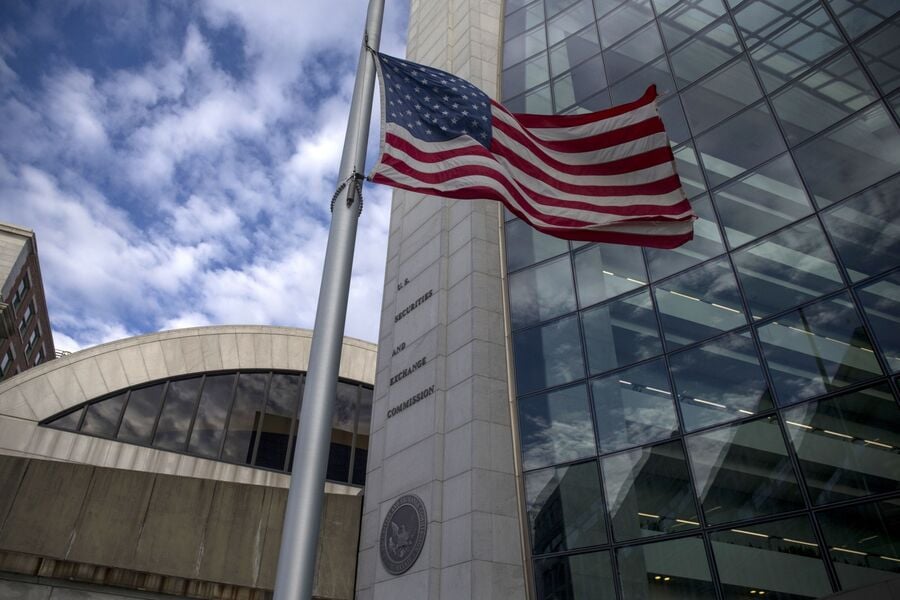
The New York Stock Exchange and Nasdaq would no longer be able to offer a kind of special discount that rewards Wall Street brokerages for routing large amounts of trade orders to them under a new plan from the Securities and Exchange Commission.
On Wednesday, the SEC proposed banning so-called volume-based transaction pricing. The arrangements involve charging reduced fees or offering rebates to brokerages specifically based on how many stock trades they send each month on behalf of clients.
This tiered setup can result in larger trading firms offering customers better transaction prices than smaller ones, SEC Chair Gary Gensler said during a meeting. That can drive smaller and midsize brokers to route their orders through larger ones, he said.
“A handful of the largest brokers are then able to collect a fee for that service and use that volume to qualify for even better tiers for themselves and other customers,” Gensler said.
The SEC voted 3-2 to advance the plan, which would be open for public comment and then require another vote months later to be finalized. It’s the latest effort by the SEC to tackle aspects of the stock market that could pose conflicts of interest. The SEC wouldn’t entirely prohibit exchange fees or rebates — a cornerstone of the stock market — just those based on transaction volume.
Late last year, the agency proposed separate, sweeping regulations that delve into how trades are ordered and executed in the world’s biggest equities market. Those are still under consideration, and, if enacted would have a far greater impact on how stocks trade than a volume-pricing ban.
Under Wednesday’s proposal, exchanges could still offer lower fees and rebates to brokers and banks that are trading with their own funds. However, exchanges would have to make monthly disclosures about their volume-based pricing tiers and the number of exchange members that qualify for each tier.
Hester Peirce, one of the SEC’s two Republican commissioners, questioned the need for the proposal.
“Economies of scale trigger discounts in almost every industry,” she said. “Why should similar discounts be unavailable in this industry?”
Typically only the largest banks or other large traders can attain the most advantageous pricing tiers, meaning the largest firms would likely be most affected if the plan was finalized.

Retiring RIA seller David Laidlaw alleges the Carnegie valued his stake on $11.7 million EBITA while pitching potential buyers on $21.3 million.

New tool gives RIAs and family offices AI help vetting private market deals, with some users reportedly halving review time.

Investors got projected returns dressed up as real ones, SEC says

Parents must still act to get the $1,000 federal seed and employer contributions, giving financial advisors a role in the rollout.

FINRA booted Rudy Anguiano from the industry for “conversion - the intentional and unauthorized taking of another person’s property.”
As AI makes financial information more accessible than ever, Lana Hock explains why human judgment, trust, and empathy remain the qualities clients value most in a financial advisor
Northern Trust’s Ken Lassner shows advisors how to convert volatility into after-tax portfolio gains

