
Any port in a storm so they say. And that applies to wealth managers navigating choppy markets, not just ship captains steering through rough seas.
It’s fair to say gold has shined as a safe harbor for investors thus far in 2025. The yellow metal is up over 60% year-to-date, providing shelter for fund managers concerned about an overvalued Magnificent 7, or conversely a devalued US dollar.
Other shelters have also emerged for anxious investors this year, such as vehicles tied to the Russell 2000 Index, up a solid 12% YTD. The small-cap index is trading at 18 times trailing earnings compared to a heady 29 for the S&P 500, up 16%, but viewed by some as overextended.
Likewise, international stocks have offered a diversified haven from domestic stock risk, as evidenced by the 27% YTD return in the Vanguard Total International Stock Index Fund ETF Shares (Ticker: VXUS).
As investors prepare to set off for a new adventure in 2026, however, the big question facing them is where those ports will be should a storm – like the one surrounding ‘Liberation Day’ last April – hit the market?
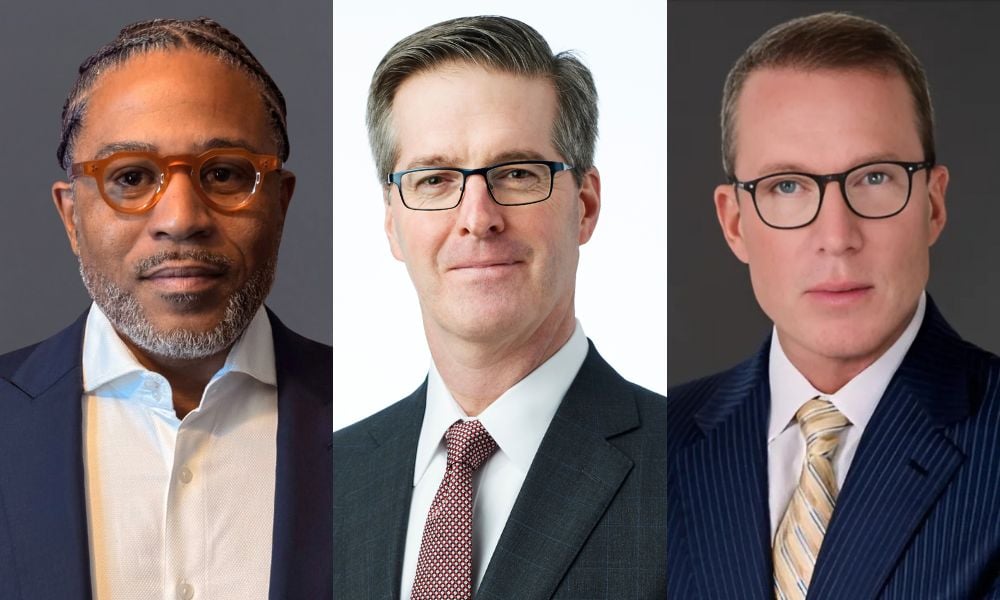
Kevin Thompson, founder and CEO of 9i Capital Group, believes gold will continue to offer protection, especially as the dollar weakens alongside expected Federal Reserve cuts. One often-overlooked factor in his opinion is that the government is not truly cutting spending, and the deficit continues to rise rapidly. That combination creates a perfect setup for a safe-haven asset like gold, not to mention investing opportunities abroad.
“The dollar will likely face more downside as carry trades generate higher returns overseas, prompting investors to seek opportunities in commodities and international markets,” Thompson said.
While it’s not a precise inflation hedge, Ted Neild, chief executive officer and chief investment officer at Gresham Partners, agrees that gold still provides “regime balance” despite lacking a “definable intrinsic value.”
“Supply is well understood, demand is psychological. That psychology is powerful, however — and likely strong enough for gold to continue offering some protection as investors navigate 2026’s policy and geopolitical volatility,” Neild added.
Neild believes private real assets, including certain commodity-oriented strategies, have the potential to be productive safety plays in the coming year should structural inflation and some supply constraints take hold. As for whether commodities will outperform equities next year, the answer depends on the economic regime, according to Neild.
“A higher-growth, higher-inflation environment would support commodities, a slowdown would not,” Neild said.
Meanwhile, James Cordier, founder of OptionSpreaders.com, says the best way to approach safety in the coming year is to hedge against both a mixed equities market due to political uncertainty, as well as a weaker U.S. dollar thanks to a dovish Federal Reserve. The best vehicle for this in his opinion is holding hard assets, such as copper, silver, sold, and platinum. All of which are on his shopping list for 2026.
“We feel these can offer a very solid instrument to hedge against what may be coming in the new year and thus create a strong chance for very good performance,” Cordier said.
In terms of balancing safe-haven positions with growth opportunities in a potentially shifting macro environment, 9i Capital’s Thompson half-jokingly recommends keeping your eyes on your Twitter (X) feed, or at least one eye.
“The macro environment can shift in an instant. I wouldn’t be looking to add aggressively to positions right now; many of those same trades are already crowded. Instead, this may be a good time to rebalance, especially if a position has grown disproportionately and altered your overall risk profile,” Thompson said.
Along similar lines, Gresham’s Neild has been advising clients to “rebalance back to strategic targets” and, given today’s elevated equity valuations, even lean modestly away.
“Holding a few percentage points in cash or short-term, high-quality instruments at attractive yields isn’t exciting, but it’s entirely reasonable in the current environment,” Neild said.

Iowa's Greenwood Wealth Partners exits D.M. Kelly as UBS and Ameriprise win Merrill Lynch recruits in California and Florida

Less than 1% of pool funds went to actual trading, CFTC says

Plus, SEIA builds a governed data foundation for its in-house AI and Snappy Kraken debuts a read-only marketing coworker for advisors.

He owes $364 million but pays $100 a month

Broadridge, Wedbush and Alaris Acquisitions have also filled senior wealth management roles with hires from J.P. Morgan, Osaic and SageView.
As AI makes financial information more accessible than ever, Lana Hock explains why human judgment, trust, and empathy remain the qualities clients value most in a financial advisor
Northern Trust’s Ken Lassner shows advisors how to convert volatility into after-tax portfolio gains

