
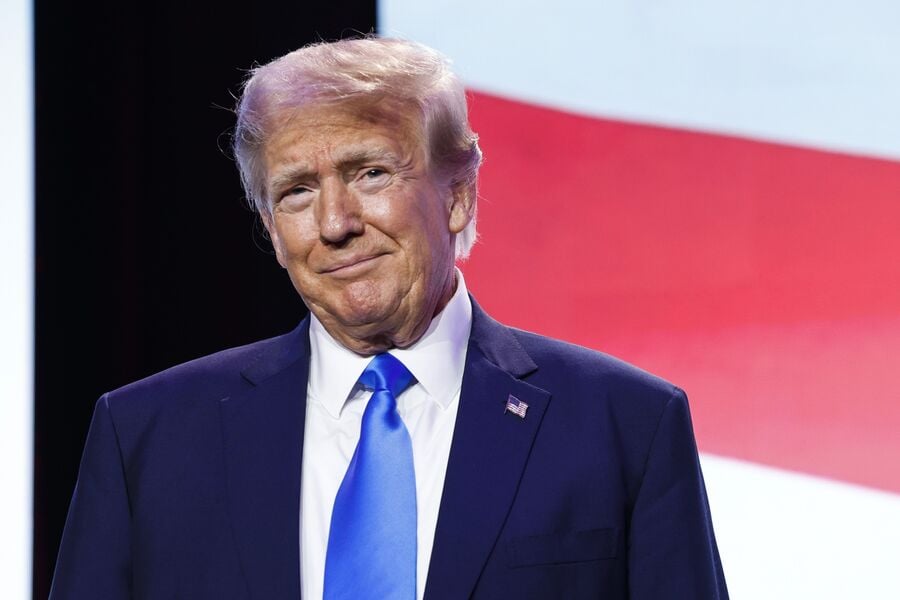
Shares of Trump Media dropped sharply on Wednesday, reflecting market reactions to Donald Trump’s performance in his debate against rival presidential candidate Kamala Harris.
The company’s stock fell more than 13 percent during morning trading, hitting its lowest level since going public in late March. The selloff came in the wake of the pivotal Tuesday night debate, after which many commentators weighed in to criticize Trump's performance.
The company's stock, which trades under the ticker symbol "DJT," has become closely tied to the political fortunes of its largest shareholder, Donald Trump, who owns about 57 percent of the business. Analysts have noted that the firm's value often fluctuates based on Trump's political standing, suggesting Wednesday’s drop may indicate some investor concern about the impact of the debate.
Depending on how significant voter sentiment is to the share price of Trump's social media empire, the trajectory of the presidential race could be a make-or break -factor in his ability to cash out.
“The perception in the market is she won the debate,” Matthew Tuttle, CEO of Tuttle Capital Management told CNN. “If he loses, he has to sell and DJT goes to $1. If he wins, he doesn’t sell and DJT can make a run for it.”
The volatile outlook mirrors previous sharp-swing patterns in Trump Media’s stock price, which saw a bump following his debate with President Joe Biden, the Democrats' previous nominee. Following his exit from the race in July, DJT shares have declined significantly, with the company losing more than half its value since debuting on the public markets.
Trump Media had shown some recovery earlier this week, rising 9 percent in the two days before the debate. However, Trump’s stake, which was valued at $6.2 billion in May, has fallen sharply, reaching approximately $1.8 billion on Wednesday.
The expiration of lock-up restrictions later this month may allow Trump to sell some of his shares, though analysts caution that selling a large portion quickly could further drive down the stock’s value.

Goldman Sachs retirement survey finds 83% want guaranteed income, while the annuities providing that income increasingly hold private credit.

The AI meeting assistant's Advisor Intelligence plugin turns client conversation data into annual reviews, tax scans and attrition alerts.

Chuck Roberts and Stifel have been facing scrutiny due to sales of structured products and structured notes.

Among other updates, the proposals would let advisors to regulated funds earn performance fees and allow interval funds to offer monthly repurchases.

What will financial advice look like 20 years from now? Evan Vladem explores how AI may transform wealth management while reinforcing the enduring value of human guidance, trust, and empathy.
As AI makes financial information more accessible than ever, Lana Hock explains why human judgment, trust, and empathy remain the qualities clients value most in a financial advisor
Northern Trust’s Ken Lassner shows advisors how to convert volatility into after-tax portfolio gains

