
With the conflict between the U.S. and Iran re-igniting, advisors will be keeping a close eye on the potential market impact this week, while also digesting a plethora of data that could provide some clues as to the Federal Reserve’s long-term interest rate strategy. Big bank earnings are also on deck.
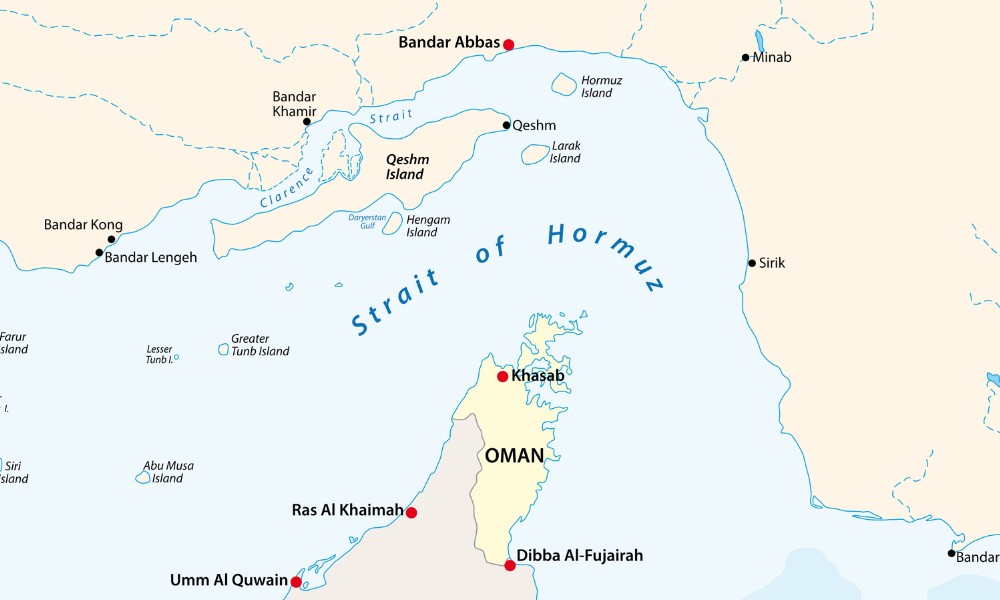
The U.S. and Iran exchanged strikes over the weekend as the war between the two countries ramped up again after the recent ceasefire breakdown. On Sunday the U.S. military’s Central Command said that it hit dozens of targets at multiple locations with precision munitions “to degrade Iran’s ability to continue attacking international shipping flowing through the Strait of Hormuz.”
Oil prices jump
Oil prices, which jumped last week in response to the Middle East tensions, are up Monday. Brent Crude oil futures are up 3.7%, while West Texas Intermediate crude futures are up 3.5%.
Alex Guiliano, chief investment officer at Resonate Wealth Partners thinks that markets will be performing something of a juggling act. “Markets are balancing macro headlines and corporate fundamentals this week, including big bank earnings, Chair Warsh's inaugural testimony, and key inflation data, all of which could help to set the near-term direction of stocks,” he said, in a statement. “While the Fed and CPI data will determine what's next for interest rates, the sustainability of this stock market rally ultimately hinges on whether corporate profits can support economic resilience.”
Paolo Broccardo, CEO at BankPro, also pointed to the impact of the strikes in the Gulf. “Tensions between the United States and Iran escalated over the weekend, reigniting concerns over shipping routes through the Strait of Hormuz and pushing oil prices higher,” he said, in a statement Monday. “The latter reinforced inflation concerns and drove expectations of monetary policy tightening, boosting yields, which jumped across the curve early in the session before subsiding to some extent.”
“Markets are now pricing in two interest rate increases, which could underpin both yields and the dollar,” he added.
As Broccardo said, as well as the geopolitical situation, the focus will be on the U.S. inflationary environment this week. On Tuesday, June’s Consumer Price Index data, an important measure for inflation, will be released by the U.S. Bureau of Labor Statistics. The CPI number will be closely watched by advisors and investors after May’s CPI number hit its highest level in three years.
Kevin Warsh testimony
New Fed Chair Kevin Warsh has a busy week ahead of him – he is scheduled to appear before the House Financial Services Committee Tuesday morning, and before the Senate Banking Committee Wednesday morning.
The minutes of the latest Fed meeting, released last week, highlighted competing views over interest rates. However, the re-escalation of tensions in the Middle East could be a big factor in the Fed’s rates strategy.
While there have been recent increases in the price of oil, it is still well below the levels seen earlier this year, when it surged past $100 a barrel in the early stages of the U.S-Iran conflict.
Bank earnings on deck
“Recently falling oil prices give the Fed some breathing room, but the flare-up in the Iran conflict means any sense of economic stability is increasingly fragile,” said Guiliano of Resonate Wealth Partners. “We expect lawmakers to use this week's Congressional testimony to press Fed Chair Kevin Warsh for a more transparent roadmap on how the Fed plans to handle this push and pull of geopolitical uncertainty, which has a direct link to inflation.”
Earnings will also be in sharp focus during the coming days. This week will see a slew of bank earnings, with JPMorgan Chase, Citigroup, Wells Fargo, Bank of America, and Goldman Sachs all reporting second-quarter results before market open Tuesday. Last quarter banks largely shrugged off geopolitical uncertainty, with JPMorgan beating Wall Street expectations, boosted by strong trading revenue and dealmaking, while Wells Fargo beat on the bottom line.
“Big banks typically set the tone for earnings season, but this week they are providing a crucial gut-check on the health of the consumer,” said Resonate Wealth Partners’ Guiliano. “The real question is whether these reports will validate the strong spending narrative, or if mounting geopolitical risks and elevated interest rates have had a more significant impact on the consumer over the last few months.”
Advisor playbook
For advisors, this busy week could involve getting ahead of client questions on inflation before Tuesday's CPI print, and watching the tone of Warsh's testimony as much as its substance — a hawkish read could move rate-sensitive holdings even without a policy shift. Advisors should also treat bank earnings as a checkpoint on consumer health rather than a trading signal, and remind anxious clients that oil remains well below its earlier highs in this conflict.

Jim Walesa worked in the securities industry for 39 years before leaving in 2021.

As the market turned from pricing in cuts to betting on hikes this year, the developing reality of a K-shaped economy has real implications for households and investors alike.

Also, SEI names LPL’s Kristie Edling-Day as CIO, TD Bank U.S. taps Hardeep Walia to lead wealth, and BMO adds an Illinois regional president

FINTRX data shows 342 company transactions in the quarter, with wealth management consolidation driving nearly one in seven deals.

State regulators secure $4.4 million from two broker-dealers over unreasonable charges on small-dollar retail equity trades.
Knighthead Life entered the market with a competitive MYGA. A strong launch earned advisor confidence and paved the way for FIAs.
As AI makes financial information more accessible than ever, Lana Hock explains why human judgment, trust, and empathy remain the qualities clients value most in a financial advisor

