
The 28th Conference of Parties concluded Wednesday with a historic agreement to move away from fossil fuels – but what that means for sustainable investing is unclear at best.
The agreement from the United Nations-convened COP28, signed both by counties with an interest in phasing out oil and gas and those that strongly benefit from fossil-fuel production, is not legally binding. Nonetheless, it is a positive development that shows the world will increase the use of renewable energy sources, financial professionals said.
It was a relatively surprising development, given the doubts observers had that any progress would be made. That skepticism stemmed from the event being held in the United Arab Emirates, presided over by the CEO of Abu Dhabi National Oil Co., and reportedly attended by more than 1,000 oil-industry lobbyists. The agreement did not detail plans to phase out fossil fuels, despite its focus on shift toward cleaner energy sources.
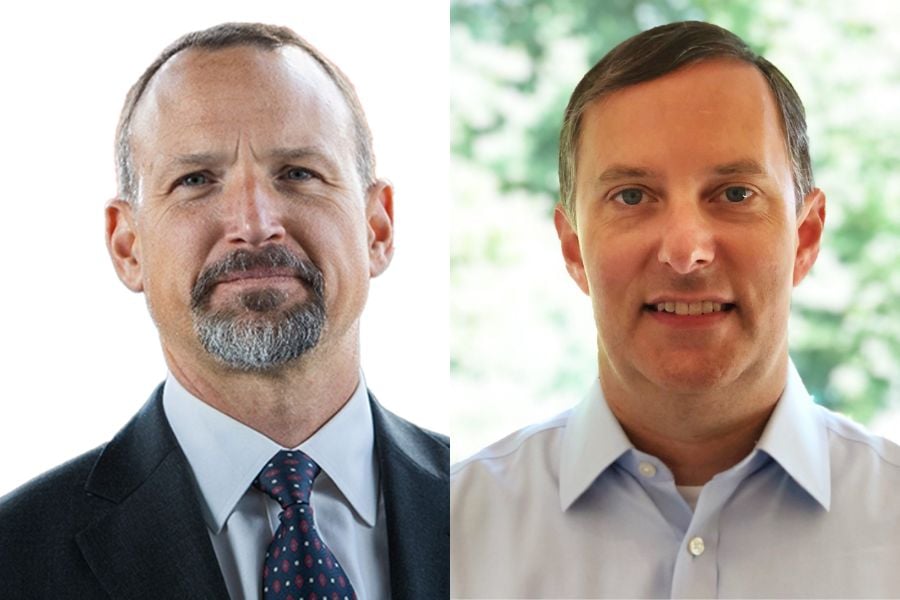
“We’re happy to see what has happened in Dubai,” said Charlie Donovan, senior economic advisor at Impax Asset Management, who has worked for the EPA, helped launch BP Alternative Energy and headed Imperial College London’s Centre for Climate Finance and Investment.
Even so, the lack of any mechanism to hold countries accountable for following through “is the inherent flaw in the process overall,” Donovan said. “We do not have the kind of legal system internationally that can effectively enforce these agreements.”
The agreement comes at a precarious time for sustainable investing in the U.S. As some right-wing politicians have sought to vilify ESG, or environmental, social and governance criteria in investing, climate activists have pushed back. Companies like BlackRock and Vanguard have found themselves in the middle, targeted by boycott campaigns on both sides, for allegedly investing too heavily in the fossil fuel business or for being climate warriors.
From an investment standpoint, there are some very notable aspects of the COP28 pact, such as a promise to triple the use of renewables by 2030 and double energy efficiency levels, Donovan said.
“The economics are well in favor now of clean energy,” he said. “This has been a very positive confirmation. This is an input to the process. The COPs are a reflection of where the world is at.”
There will be a lot of opportunity as assets are dedicated to financing renewable-energy projects, but also as the world seeks to reduce the carbon outputs of steel and cement production, Donovan said. He also expects more of a focus on infrastructure to protect communities from the effects of climate change and making food systems less carbon-intensive.
The nonbinding nature of the agreement is no small detail, but so too was the compromise necessary to help satisfy the demands of oil producers and clean-energy advocates, said Andrew Poreda, senior research analyst at Sage Advisory Services.
“It seems like there are a lot of other issues that will have to be sorted out,” Poreda said. “This does not give us as an investor a clear picture of what will happen between now and 2050.
“Investors have a healthy dose of pragmatism. There is in our gut a feeling that oil and gas will have an influence as the headwinds take place,” he added.
While it wasn't the star of the show at COP28, the climate impact of agriculture, along with greater needs for clean water, shouldn't be lost on investors, Poreda said.
“That is a growing issue and one that is only aggravated by climate change,” he said. “Investors should take note.”
The COP28 agreement’s target around renewables is important, but overall it “is probably a lighter version of what people really wanted to come out of this,” said Bud Sturmak, head of impact investing at Perigon Wealth Management.
“The agreement will be supportive of the sustainable investing space. It’s going to continue to help drive additional growth,” Sturmak said. “Also, the world came together and acknowledged that there is real risk to continue high production of carbon in the atmosphere. That supports the notion that sustainable investing has always espoused, which is that ESG risks are investment risks.”
Eric Souders, investment advisor at Ascendant Financial Solutions, focuses on sustainable investing as part of his practice. The agreement coming out of COP28 might not mean very much in the end, given its entirely voluntary nature, and many of the stakeholders who participated in the event clearly have an interest in greenwashing, he said.
The politics around ESG in the U.S. have been troubling, particularly the House Judiciary Committee's subpoenaing shareholder advocacy groups like As You Sow, Souders said.
Nonetheless, investors are interested in financing renewable energy on a massive scale, which is encouraging, he said, pointing to a recent piece in The New Yorker by environmentalist Bill McKibben. While 2023 has been the hottest year on record, it has also seen a drop in renewable technology costs, leading to “the installation of about a gigawatt’s worth of solar panels a day,” McKibben wrote, equivalent to the energy capabilities of one new nuclear power plant every day.
“The whole industry of renewables is getting applied much faster, which needs more financing,” Souders said. “We finance the end use, and we as investors benefit from the products we are investing in.”

Second-generation NFL ref Shawn Hochuli co-founded IWM Partners in Irvine, California, a wealth management practice with more than $500M in client assets

U.S. seniors lose $28.3 billion annually as a result of financial exploitation, according to a 2023 AARP study.

Cornerstone Capital and Echo Wealth Management add about $1.7 billion as RIA M&A heads for a record year.

As Robinhood and Schwab roll out AI agents and assistants, a new survey finds advisors still edge out chatbots in terms of client trust.

See which platforms and providers earned 5-Star recognition this year
As AI makes financial information more accessible than ever, Lana Hock explains why human judgment, trust, and empathy remain the qualities clients value most in a financial advisor
Northern Trust’s Ken Lassner shows advisors how to convert volatility into after-tax portfolio gains

