
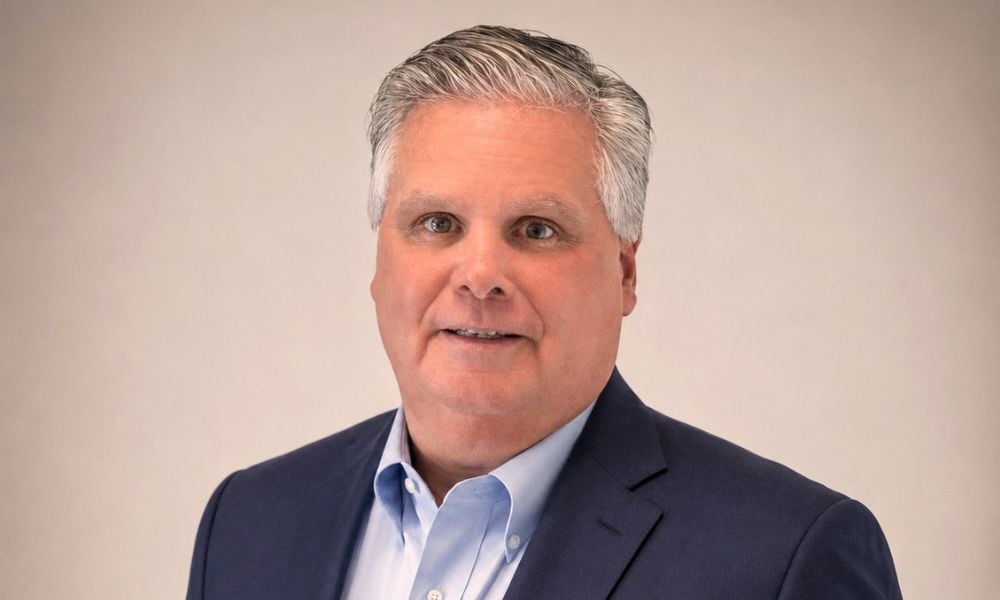
Dan Dolan spent more than two decades helping build one of the most recognizable ETF families in the industry.
As the driving force behind the Select Sector SPDRs from their earliest days, he watched the products grow to $350 billion in assets under management before retiring earlier this year. Now, free from the constraints of employment, he's speaking plainly about what he sees as the industry's most important unfinished business, and it has nothing to do with launching a new product.
The timing of his decision to go public is not coincidental. A March 2026 report from the Investment Company Institute found that fund companies spent between $675 million and $1.14 billion on proxy campaigns over the past five years, costs that ultimately flow directly through to investors.
The ICI concluded that the current fund proxy system is broken and called on the SEC to modernize it. Dolan read coverage by InvestmentNews and wanted to add his voice to the conversation.
Dolan watched the ETF industry grow from a niche structure into a $40 trillion market.
"I recently retired after working more than 40 years in the industry," Dolan told InvestmentNews. "Significantly, as distributor for Select Sector SPDRs from inception, I have witnessed the explosive growth within the industry which now gives me a much clearer understanding into how advisors can, and do, influence boards."
Dolan is careful to avoid painting the entire director class as compromised, noting that most independent directors understand their roles and do their jobs well. But a meaningful subset, he argues, have lost sight of who they actually serve.
"Some have a misguided perspective of their responsibilities," he said. "Unlike a corporate board, fund board members have the primary responsibility of safeguarding the best interest of the fund shareholders."
He points advisors and investors toward a resource that often goes ignored: the Statement of Additional Information, a disclosure document available on fund company websites that can reveal telling details about board composition and compensation.
The SAI, he says, offers a clear starting point for identifying several red flags including long-tenured board members who develop close relationships with the advisors they oversee are a concern. So too are former advisor employees serving as independent directors, a practice that is currently permitted but that Dolan believes should be avoided. Directors who do not personally own shares in the funds they represent raise obvious questions about shareholder alignment.
And he believes that compensation levels warrant scrutiny given that the payments, while technically the responsibility of shareholders, flow from the advisors themselves.
"How likely is anyone to challenge the status quo if they are being paid $400,000 per year?" he said.
On the question of how long independent directors should be permitted to serve, Dolan does not hesitate. He advocates for a hard cap of five or six years; a change he believes would meaningfully improve how boards function.
"Imposing term limits of five or six years would encourage healthier working environments, bring fresh thinking into the boardroom, and reduce the potential for conflicts of interest," he said.
When asked why the industry hasn't fixed this on its own, his assessment is blunt. "The industry has not changed because it is not in their best interest. Advisors like having influence and board members enjoy the benefits of long-term employment. Shareholders would clearly benefit from the change but most are unaware of the issue."
Beyond director tenure, Dolan is critical of the broader proxy system through which fund shareholders are solicited for votes on board matters. He argues the current structure funnels millions of dollars away from investor returns each year without most shareholders realizing it.
"The proxy solicitation firms are the only clear benefactors of the current system," he said. "Shareholders unknowingly spend millions of dollars each year funding this practice with the money coming from funds' expenses."
He acknowledges that the ICI has been leading the push for reform but says the effort needs broader support from the investing public to compel the SEC to act. His vision for a modernized framework is straightforward: grant boards the authority to handle routine matters internally and bypass the costly solicitation process entirely.
"A modernized proxy system for funds and ETFs would actually give more authority to boards, which I support 100%," he said. "Let them vote on issues like appointing new directors and start saving investors millions of dollars each year."
Dolan makes a point about scale that puts the governance debate in sharper relief. ETFs drove a historic compression in fund fees over the past two decades, a development that was genuinely transformative for retail investors. But he argues that structural governance failures are now a brake on further progress.
"Poor governance is not taking value back per se but it is inhibiting us from making additional progress to reduce expenses," he said. "The fund and ETF industry is now over $40 trillion in assets. Every basis point we cut saves investors $4 billion per year."
For advisors who want to screen for funds with stronger governance before making recommendations to clients, Dolan acknowledges that no easy automated tool currently exists. His advice is to open the SAI and manually scan for the warning signs he outlined.
"High comfort levels are the enemy of good governance," he said. It is a manual process, but for now it is the clearest starting point available.

Faulty Forms 1099 and account statements reportedly left some Vanguard brokerage customers overpaying or underpaying taxes for over a decade.

The democratization of ETFs cuts both ways

Independent broker-dealers snap up experienced advisors as competition for established practices intensifies.

Derek Flowers, a nearly 30-year veteran, is set to retire in mid-January, handing the reins to the executive who helped lead the bank's regulatory turnaround.

The campaign spans broadcast TV and streaming, as the brokerage faces slowing client net flows and an $8.1 billion advisor team that left to launch an RIA this month.
As AI makes financial information more accessible than ever, Lana Hock explains why human judgment, trust, and empathy remain the qualities clients value most in a financial advisor
Northern Trust’s Ken Lassner shows advisors how to convert volatility into after-tax portfolio gains

