
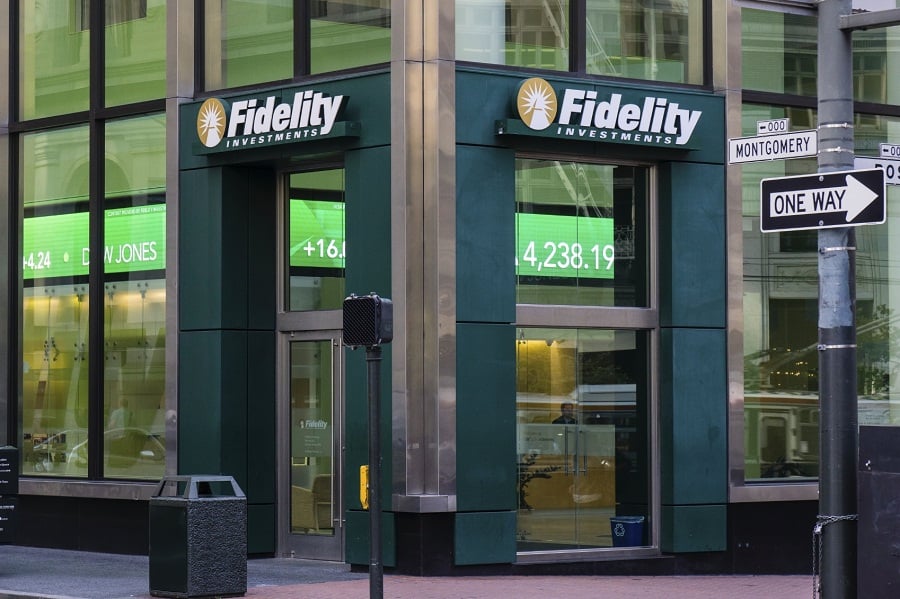
Fidelity launched two new mutual funds designed specifically to be used within health savings accounts, as part of a push to entice more clients to use the accounts as investment vehicles.
The Health Savings Fund and Health Savings Index Fund are designed to balance growth and downside market protection "to address the inherently uncertain timing of future medical expenses,” according to a Fidelity release. The funds are available in retail share classes, though the Health Savings Fund also comes in a lower-cost institutional share class.
The products invest in a mix of about 30% equity funds and 70% bond funds, though the company can adjust those ranges by 10% in either direction, according to the Health Savings Fund’s prospectus.
The new investment options are a means of encouraging more people to use their HSAs as investment vehicles rather than solely as checking accounts for medical expenses, the company noted in its announcement. Within Fidelity’s $6.7 billion HSA business, for example, only about 12% of accounts include invested assets, according to the firm.
“Though this figure is more than double the industry average, and an increase from 8.8% at the end of 2018, this still represents a significant missed opportunity for those with cash balances intended to be used for future health expenses,” Fidelity said.
Only about half of HSA holders are aware their assets can be invested, according to survey results cited by the company.
Industrywide, about $15.7 billion of the total $65.9 billion in HSA assets as of the end of 2019 is invested, according to a report published Tuesday by Devenir. Meanwhile, roughly $50.2 billion of that total is held in deposits. Only about 4% of all HSAs include investments.
The new Fidelity funds are only sold within Fidelity’s HSA business, which serves individual investors and participants in employer-sponsored plans. Assets in the company’s HSA business increased by 62% in 2019, with about 1.5 million accounts at the end of the year, according to the announcement.

Siddharth Jawahar was sentenced 11 years in prison and $31M in restitution for running Swiftarc Capital fraud scheme

Wall Street banks expand wealth services as ultra-high-net-worth client demands extend further above and beyond investment management.

The acquisition of $2 billion Gilbert & Cook extends a buying spree for the ultra-high-net-worth firm that has already touched six states this year.

After years of encouraging sacrifice and delayed gratification, advisors have to do the next emotional lift: helping clients let go of a potentially harmful scarcity mindset.

A new JPMorganChase Institute report reveals how deeply stock market wealth now drives everyday American spending, especially for retirees.
Northern Trust’s Ken Lassner shows advisors how to convert volatility into after-tax portfolio gains
Dan Biagini of American Equity says the steady decline of pensions, longer lifespans and a reset in interest rates are rewriting how advisors build retirement income

