

Fidelity Investments is launching its first Bitcoin fund, adding its establishment name and star power to the fledgling and often controversial asset class.
The money manager said in a filing to the Securities and Exchange Commission that it will begin to offer the Wise Origin Bitcoin Index Fund I through a new business unit called Fidelity Digital Funds. Peter Jubber, head of Fidelity Consulting, will run the new business unit, the filing shows.
The passively managed, Bitcoin-only fund will be made available to qualified purchasers through family offices, registered investment advisers and other institutions, according to a person familiar with the matter. Fidelity Digital Assets will custody the fund, the person said. The minimum investment is $100,000.
A spokeswoman for Fidelity declined to comment on the filing.
“Fidelity has made a long-term commitment to the future of blockchain technology and to making digitally native assets, such as Bitcoin, more accessible to investors,” the company said in an email.
Fidelity Chief Executive Abigail Johnson is among the highest-profile Wall Street proponents of the blockchain technology that backs Bitcoin, and the firm has dabbled in the space since 2014. Two years ago, it started Fidelity Digital Assets, a unit meant to manage these products for hedge funds, family offices and trading firms.
Fidelity’s latest foray into the world of crypto is welcome news for fans who have long sought greater acceptance of digital currencies and blockchain by Wall Street mainstays. Banks have largely avoided the sector because of concern about its use in money laundering and other illicit activities.
Few other mainstream firms have ventured into the crypto-sphere though there are signs interest in crypto products could be increasing. Cryptocurrency trusts by Grayscale Investments, for instance, attracted more than $900 million in the second quarter, nearly double the previous quarterly high. The money came mostly from institutional investors and brought its total assets under management to over $4 billion.
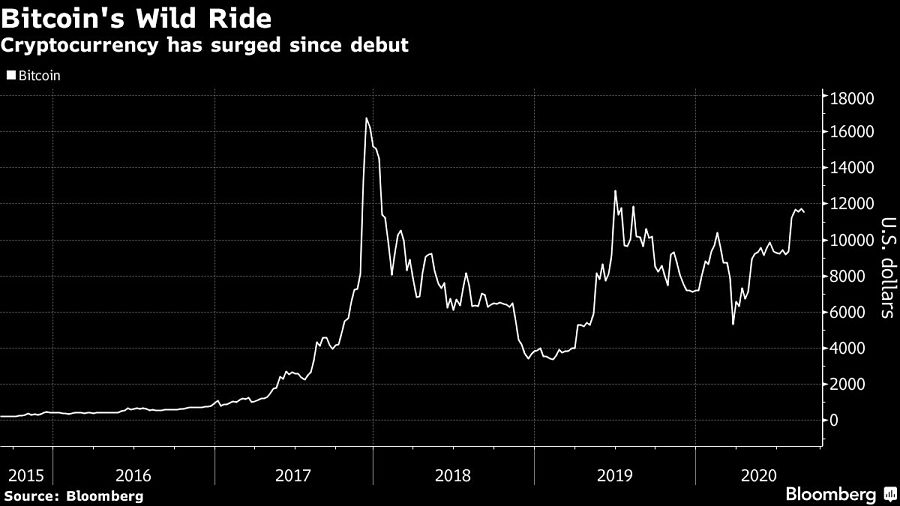
Fidelity’s move comes at a time when the price of Bitcoin, the world’s largest cryptocurrency, has recouped much of its losses since crashing in March in the midst of a coronavirus-induced sell-off. Bitcoin is up roughly 60% this year to trade around $11,500 -- though it’s still about 40% off its all-time high reached in 2017.

Advisors say record balances aren't a retirement income plan and urge clients to benchmark their lives, not an index

Wealth enterprises are leaving revenue on the table - a new PureFacts and Ascentix partnership aims to help firms take it back.

What if one investment decision could create tax-saving opportunities across your entire portfolio? Chris Vizzi shares how the Stacking Strategy helps investors align tax planning, portfolio construction, and wealth preservation to maximize long-term outcomes while keeping more of what they earn.

Buyers spending on AI may treat less efficient sellers as overstaffed and price the cost of rightsizing into lower offers

Kenneth Leech pleaded guilty in June to one obstruction charge, and could face six to 12 months in prison.
Knighthead Life entered the market with a competitive MYGA. A strong launch earned advisor confidence and paved the way for FIAs.
As AI makes financial information more accessible than ever, Lana Hock explains why human judgment, trust, and empathy remain the qualities clients value most in a financial advisor

