
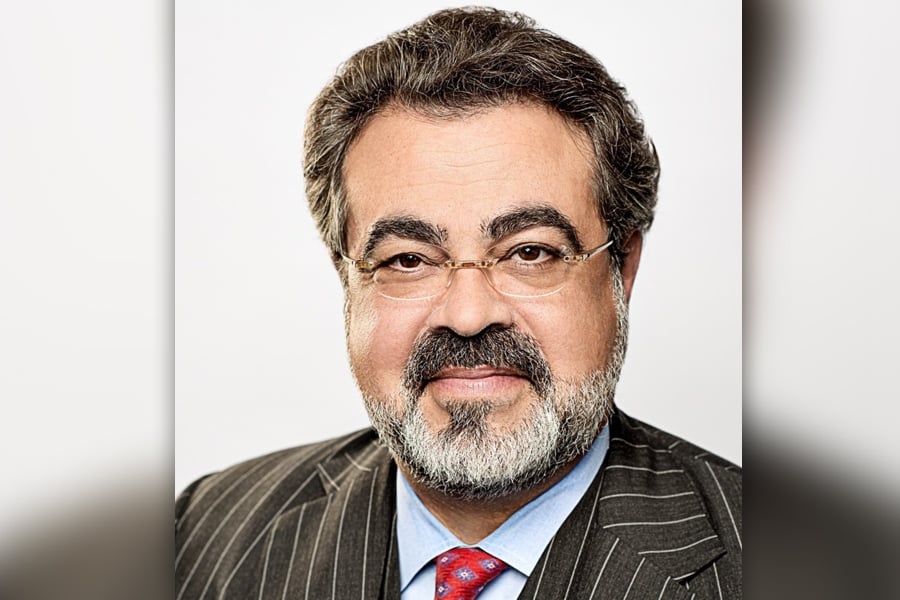
The first time Finra chair Eric Noll opened an options account, the 60-page disclosure was TLDR — too long, didn’t read.
“It went right into the trash can,” Noll, CEO of Context Capital Partners, said Thursday at the Financial Industry Regulatory Authority Inc.’s annual conference in Washington. “Never read it. Never paid attention to it. We haven’t evolved too much away from that.”
The need for brokerages to do a better job of explaining complicated products like options was one of the industry challenges Noll highlighted in a discussion with Finra CEO Robert W. Cook.
“We do it in a way where they’re virtually unreadable,” said Noll, who heads the 21-member board of governors of Finra, the broker-dealer self-regulator.
Finra launched an exam sweep on options trading a couple of years ago and has joined the Securities and Exchange Commission in increasing its scrutiny of financial advisors’ recommendations of complex products.
The increased regulatory efforts come amid calls by the industry and many lawmakers to open private markets more widely to retail investors. Proponents argue that doing so gives Main Street investors more opportunity to diversify their portfolios and take advantage of the growth of start-up companies.
But state and federal regulators have warned that private placements also are consistently the source of investor harm.
“We have to really think about what that means to disclose risks and be transparent about what we do,” Noll said. “The more democratized our markets become, the more important that’s going to be.”
Another emerging challenge for brokers is social media communications, Noll said. He noted that although the investment sector hasn’t been roiled as badly as regional banks by rumors that were started on Twitter and other platforms, brokerages must be prepared to respond to misinformation.
“I don’t think we as an industry have figured out how to do that,” Noll said.
Noll emphasized that brokerage industry must make more progress on diversity. He cited Finra observations that African Americans are more likely to invest in cryptocurrency than in public equities despite the collapse of the FTX crypto trading platform and other digital asset dangers. He attributed the trend to the fact that underrepresented investors don’t see themselves reflected in the traditional markets.
“They feel like they’re safer in the crypto space,” Noll said. “It’s completely opposite of what it should be. We need to … make sure everyone is getting the benefit of our regulation and the benefit of safer markets.”

The financial advice industry has been facing inquiries into its cash sweep programs for years now.

Investor money allegedly went to strip clubs, exotic cars, and landscaping

Procyon adds $415 million in assets under management in New Jersey while Savant picks up a $213 million Southern California planning firm

With a growing number of real estate-rich Baby Boomers aging into retirement, some advisors may be failing to consider all the options available for those clients' assets.

Cornerstone Advisors study reveals compliance bottlenecks stall campaigns weeks after customer opportunities close.
As AI makes financial information more accessible than ever, Lana Hock explains why human judgment, trust, and empathy remain the qualities clients value most in a financial advisor
Northern Trust’s Ken Lassner shows advisors how to convert volatility into after-tax portfolio gains

