
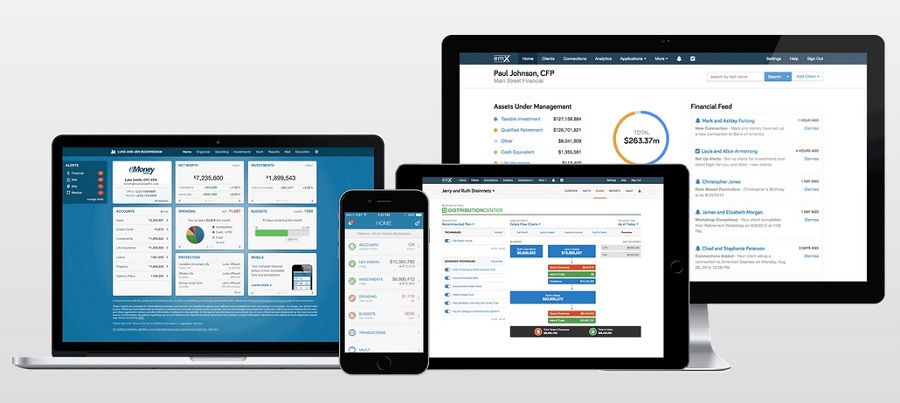
Edmond Walters left eMoney today. It's VERY unlike him to walk away from a challenge; there must have been a problem with the Fidelity Mgt.
— Bob Veres (@BobVeres) September 3, 2015
"I know the number that I want to be able to retire on, and now I just want out," says Wilmington Trust's Marguerite Weese, describing a common refrain among business-owner clients.

Bessemer and Brown Brothers Harriman veteran Robert Ludricks III and private markets specialist Olof Akesson join the ultra-high-net-worth push on the East Coast.

Senate Democrats seek data on data center deductions under the 2025 tax law as proposals to tax artificial intelligence multiply.

Geopolitical shocks and market volatility pushed advisor deal decisions off course, denting third-quarter transaction volume by 19 percent.

Hendershott Wealth Management's Hilary Hendershott on turning a niche for women into an operating strategy, not a marketing pitch.
As AI makes financial information more accessible than ever, Lana Hock explains why human judgment, trust, and empathy remain the qualities clients value most in a financial advisor
Northern Trust’s Ken Lassner shows advisors how to convert volatility into after-tax portfolio gains

