
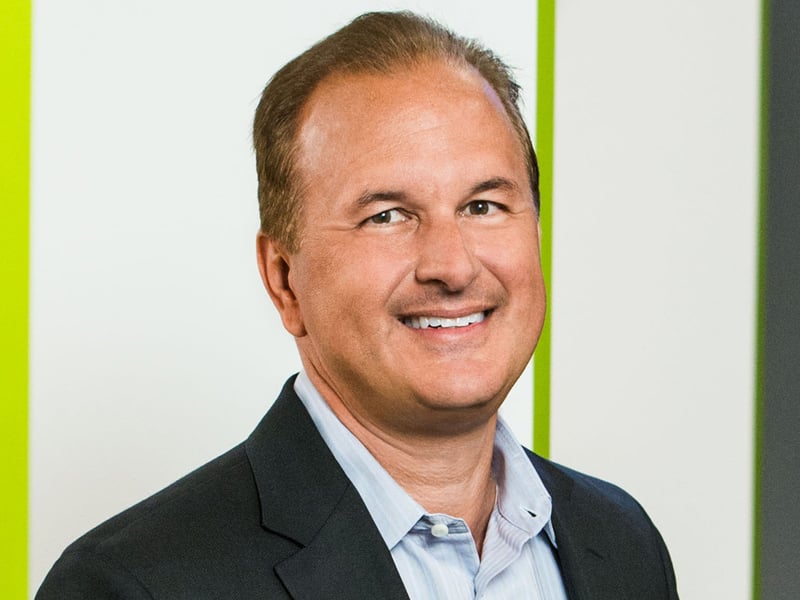
Financial Engines, the original robo-adviser that offers digital advice on 401(k) plans, has acquired Kansas City-based registered investment adviser The Mutual Fund Store for $560 million in a cash and stock deal. With the acquisition, Financial Engines, which has $104 billion in assets under management, will expand its reach to 401(k) participants by adding more human advisers. Financial Engines clients will be able to go into any of the 125 locations of The Mutual Fund Store, which has 345 employees and $9.8 billion in assets under management. The RIA has 84,000 accounts. “By leveraging Financial Engines' scalable advice technology to power The Mutual Fund Store's services and in-person advisers, we believe we will be able to make high-quality investment advice and comprehensive financial planning available to everyone with access to our services through their employer,” Lawrence Raffone, president and chief executive of Financial Engines, said in a press release. Upon closing of the transaction, expected in the first quarter of 2016, The Mutual Fund Store's name will change to Financial Engines. Financial Engines announced in September it was adding more human advisers to its services, highlighting that at the end of the day, even digital advice needs the human element. All clients will be able to phone in to a call center free of charge. Kelly O'Donnell, executive vice president at Financial Engines, said then that the company had recognized the important role advisers have because of customer demand. A Financial Engines study in October found that of the 1,000 401(k) participants surveyed, 54% did not work with a financial adviser but wanted to in the future. With the acquisition, private equity firm Warburg Pincus, which owned a majority stake in The Mutual Fund Store, will become Financial Engines' largest stockholder with beneficial ownership of about 12.5% following the close of the transaction. Michael Martin, managing director of Warburg Pincus, will be appointed to the company's board of directors at that point.

CFP, CFA and CPA holders could gain accredited investor status as regulators weigh wider private market access for advisory clients

DeepVest, Vanilla and Libretto roll out tools to help financial advisors launch firms, close estate plans and sharpen planning skills

“People aren't effectively using their wealth in retirement,” said David Blanchett of Prudential.

Second-generation NFL ref Shawn Hochuli co-founded IWM Partners in Irvine, California, a wealth management practice with more than $500M in client assets

U.S. seniors lose $28.3 billion annually as a result of financial exploitation, according to a 2023 AARP study.
As AI makes financial information more accessible than ever, Lana Hock explains why human judgment, trust, and empathy remain the qualities clients value most in a financial advisor
Northern Trust’s Ken Lassner shows advisors how to convert volatility into after-tax portfolio gains

