
Last week’s Veterans Day highlighted the discipline, teamwork, and mission focus that ex-military personnel have and that complex industries demand. But many fintech firms are not utilizing this talent pool, says one of the industry’s leaders.
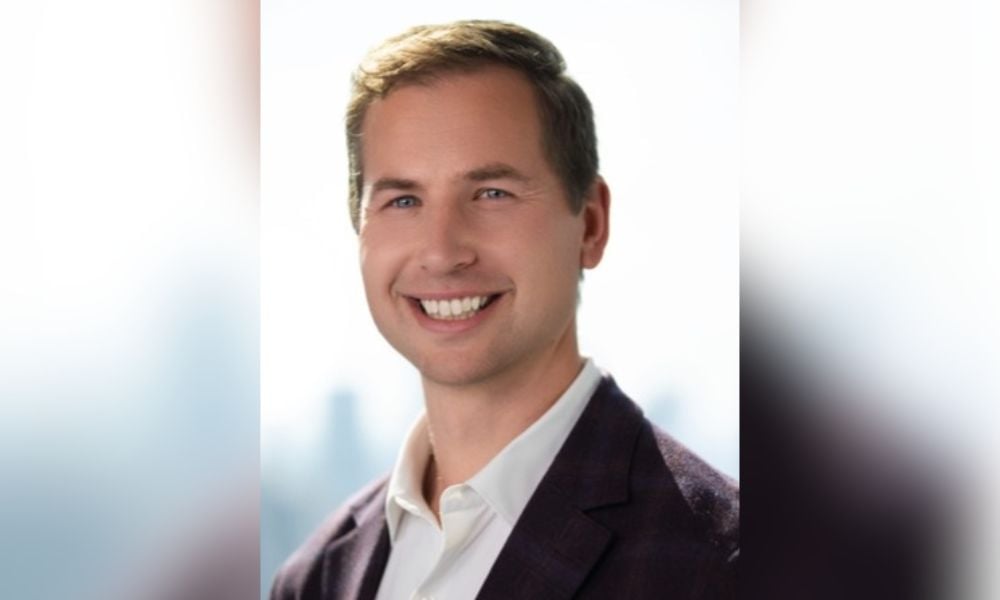
Brad Genser is co-founder and chief technology officer at Farther, who after graduating from West Point and serving two combat tours in Iraq, entered the finance industry and later spearheaded AI initiatives for private wealth at Goldman Sachs.
For the past five years, he has used both his military and fintech experience to build Farther’s wealth-management platform and has witnessed firsthand how military principles translate directly to innovation-driven environments.
Genser has been telling InvestmentNews how fintechs and the wider financial services sector can benefit from tapping the veterans talent pool. He believes employers often underestimate how quickly veterans become high-impact contributors.
“Vets practice teamwork, process orientation, and initiative, all of which are crucial qualities for being an effective employee, and the domain knowledge typically comes naturally,” he says. “Vets are quick to orient themselves and can drive any project towards success with minimal onboarding. Don’t hesitate to staff a veteran—tell them what the mission is and tell them to get moving!”
When it comes to helping veterans transition into fintech roles, Genser emphasizes that companies don’t need elaborate programs, just a supportive environment.
“There’s no special treatment required. But a community-focused firm can amplify veterans’ success,” he says. “Vets speak a common language of teamwork and purpose, and community can accelerate company learning, knowledge, and culture. Their discipline and adaptability are sure to elevate the performance and culture of their entire team.”
He pointed to his own organization where he is not the only leader with a military background.
“My chief of staff came directly from the army and is thriving in a role where he has had to learn rapidly. Our shared context has accelerated his growth and my ability to communicate effectively with him.”
Fintech is high-stakes, fast-moving, and deeply tied to customer trust. Genser says those pressures mirror the values veterans practice daily.
Farther organizes its culture around the acronym CARE which stands for communication, action, respect, and excellence.
“We chose to emphasize those values because they are so important to fintech,” Genser explains. “These values translate naturally for veterans, who have been equipped with these principles through their experiences and practice them every day.”
But veterans do more than adapt to fintech environments, they help reshape and reinforce culture.
“Veterans come with a heightened team orientation and a sense of ownership of ‘common good’ that percolates through an organization by way of example,” Genser says. “Vets are often the first people to raise their hand to take on work that has to get done, even when it may not be the most glamorous. That behavior is contagious.”
Genser has woven military traditions into how Farther operates, strengthening cohesion and motivation, such as presenting coins for achievements.
“We have over a dozen in issuance right now,” he notes. “Practices like that may seem small, but they are essential to keeping a team motivated in a high-tempo environment.”
Genser’s military background proved particularly valuable when leading AI development at Goldman Sachs.
“AI is fundamentally a tool to analyze information and determine the actions required,” he says. “As a combat leader, it was my job to process large amounts of intelligence and identify patterns to plan and execute missions. The patterns of analysis in combat are often applicable to AI systems.”
The hybrid nature of modern military operations also helps veterans excel in AI-driven roles.
“The modern military is the most sophisticated example of people and technology working together,” Genser explains. “AI is at its best when paired with people, ensuring certainty and trust. This takes a level of judgment developed through practice, and military members have ample practice problem-solving in hybrid systems.”
With fintech facing aging legacy systems on one side and rapid AI expansion on the other, Genser says veterans are uniquely positioned to lead.
“Financial systems are high value, multi-party systems that often work at scale,” he says. “Changing, enhancing, and innovating in fintech requires multi-dimensional leadership and risk management—both of which vets are very well suited for. There’s a tendency to focus only on the technology, but that’s really only half the battle.”
He also advises that firms use the vets that are already around them.
“There is a long and proud tradition of vets helping vets through a transition out of the military… Ask veterans you know for input and advice on how to make your workplace more welcoming,” he says. “Hear it from the source.”

Salespeople at the firm often went beyond the matching algorithm to recommend network advisors on its Zoe Wealth platform, according to the regulator.

The Protect College Sports Act would cap school payments and codify NIL rights, with implications for advisors guiding young athletes.

"I know the number that I want to be able to retire on, and now I just want out," says Wilmington Trust's Marguerite Weese, describing a common refrain among business-owner clients.

Bessemer and Brown Brothers Harriman veteran Robert Ludricks III and private markets specialist Olof Akesson join the ultra-high-net-worth push on the East Coast.

765 investors were promised 260% annual returns on truck leases
As AI makes financial information more accessible than ever, Lana Hock explains why human judgment, trust, and empathy remain the qualities clients value most in a financial advisor
Northern Trust’s Ken Lassner shows advisors how to convert volatility into after-tax portfolio gains

