
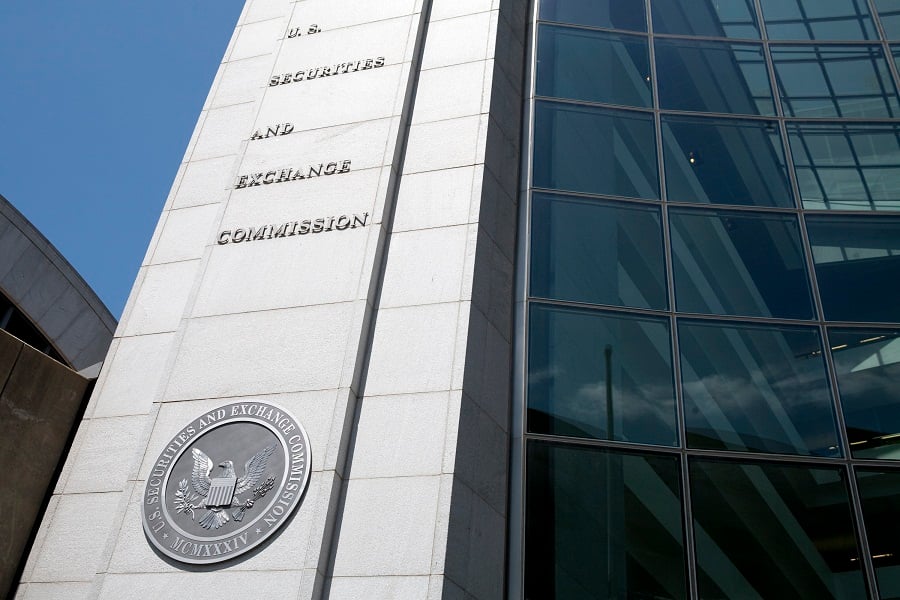
Morgan Stanley will pay $35 million to settle Securities and Exchange Commission allegations that one of its units failed to secure the personal data of millions of customers when replacing company hard drives and servers.
The bank improperly disposed of thousands of devices, and some were auctioned off online without checking that customer data they contained had been deleted, according to the SEC. About 15 million clients’ details were compromised over a five-year period starting 2015.
Following the announcement by the SEC, Morgan Stanley said in a statement that it was pleased to have resolved the matter. “We have previously notified applicable clients regarding these matters, which occurred several years ago, and have not detected any unauthorized access to, or misuse of, personal client information,” the firm said.
The SEC said that the firm had violated “safeguards and disposal rules.”
“Customers entrust their personal information to financial professionals with the understanding and expectation that it will be protected,” Gurbir Grewal, director of the SEC’s enforcement division, said in a statement. He called the findings “astonishing.”
Morgan Stanley agreed to pay the penalty and settle the case without admitting or denying the allegations, according to the SEC.
The violation occurred because the firm hired a moving and storage company with no experience in data destruction and then failed to properly monitor the company’s work, the SEC said. Morgan Stanley recovered some of the devices, which had thousands of pieces of unencrypted customer data. The vast majority of devices were not found, the regulator said.
Tuesday’s penalty is also related to the brokerage’s failure to properly dispose of customer and consumer report information as part of a broader hardware refresh program, during which the firm found that 42 servers were missing. The unit didn’t activate available encryption programs that were available on the devices, the SEC said.

Salespeople at the firm often went beyond the matching algorithm to recommend network advisors on its Zoe Wealth platform, according to the regulator.

The Protect College Sports Act would cap school payments and codify NIL rights, with implications for advisors guiding young athletes.

"I know the number that I want to be able to retire on, and now I just want out," says Wilmington Trust's Marguerite Weese, describing a common refrain among business-owner clients.

Bessemer and Brown Brothers Harriman veteran Robert Ludricks III and private markets specialist Olof Akesson join the ultra-high-net-worth push on the East Coast.

765 investors were promised 260% annual returns on truck leases
As AI makes financial information more accessible than ever, Lana Hock explains why human judgment, trust, and empathy remain the qualities clients value most in a financial advisor
Northern Trust’s Ken Lassner shows advisors how to convert volatility into after-tax portfolio gains

