
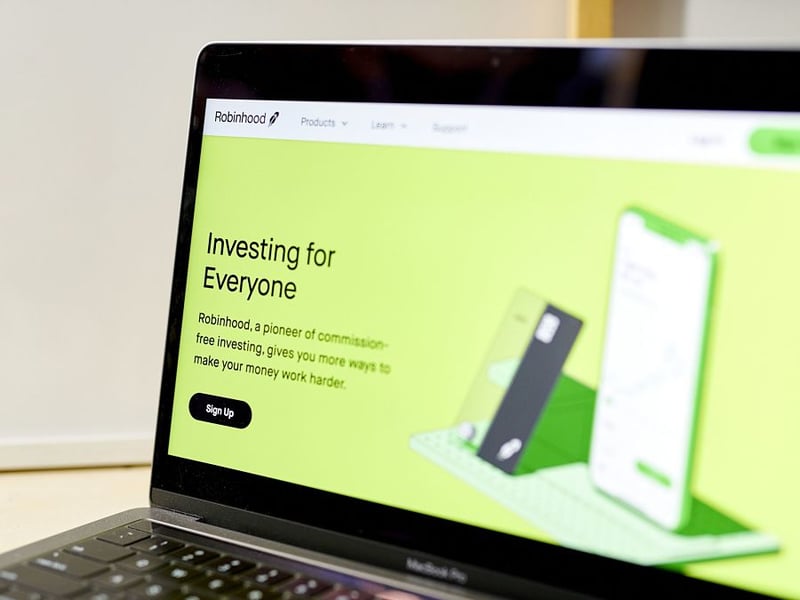
Robinhood Markets Inc. said it filed confidentially for an initial public offering, in what will be a highly anticipated listing among investors — including the trading app’s own customers.
The company said in a statement Tuesday that it had submitted its filing to the Securities and Exchange Commission, confirming an earlier report by Bloomberg. Robinhood could go public as soon as late in the second quarter but the timing could change, said a person familiar with the matter who asked not to be identified because it wasn’t public.
Bloomberg News previously reported that Robinhood was planning to file for an IPO this month. The company has selected Nasdaq as the venue for its listing, people familiar with the matter have said.
Robinhood, which said it hasn’t set terms for the offering yet, became immensely popular during the coronavirus pandemic, particularly as homebound young people turned to online trading to pass the time and make money.
That increased popularity has led to scrutiny from politicians and regulators, who are focused on the so-called gamification of trading and the company’s role at the center of the meme-stock frenzy. Robinhood also had to raise billions of dollars from its backers to comply with a request from the industry’s clearinghouse.
Despite the challenges, Robinhood continue to grow its users and add downloads during the period, according to a JMP Securities research note from late January. The report showed Robinhood added 600,000 users in a single day, more than six times the typical number of new users during the month before the frenzy took hold.

Salespeople at the firm often went beyond the matching algorithm to recommend network advisors on its Zoe Wealth platform, according to the regulator.

The Protect College Sports Act would cap school payments and codify NIL rights, with implications for advisors guiding young athletes.

"I know the number that I want to be able to retire on, and now I just want out," says Wilmington Trust's Marguerite Weese, describing a common refrain among business-owner clients.

Bessemer and Brown Brothers Harriman veteran Robert Ludricks III and private markets specialist Olof Akesson join the ultra-high-net-worth push on the East Coast.

765 investors were promised 260% annual returns on truck leases
As AI makes financial information more accessible than ever, Lana Hock explains why human judgment, trust, and empathy remain the qualities clients value most in a financial advisor
Northern Trust’s Ken Lassner shows advisors how to convert volatility into after-tax portfolio gains

