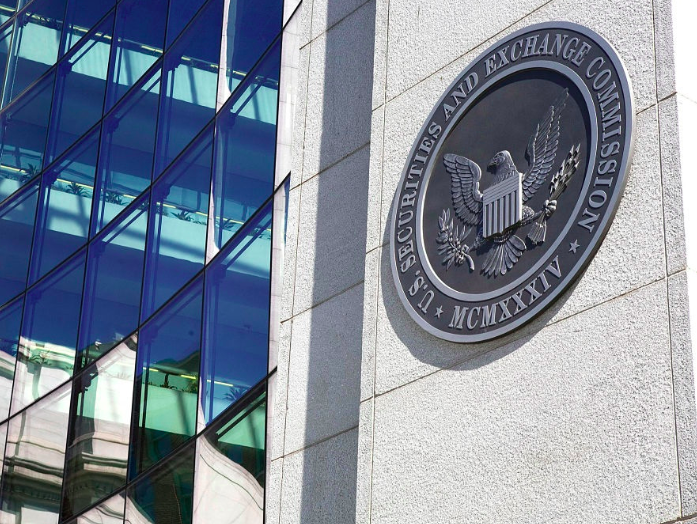
The Securities and Exchange Commissioned brought its first enforcement actions against robo-advisers on Friday,
charging Wealthfront and Hedgeable with making false statements about investment products and publishing misleading advertising.
Wealthfront told clients its tax-loss harvesting strategy, a centerpiece of the digital advice startup's marketing, would monitor all client accounts for transactions that would trigger a wash sale,
according to the SEC order. Wealthfront failed to do so, the SEC said.
For three years, wash sales occurred in at least 31% of accounts enrolled in Wealthfront's tax-loss harvesting, the SEC said.
The SEC also alleges Wealthfront re-tweeted prohibited client testimonials, paid bloggers for client referrals without making the required disclosure and documentation, and did not maintain a compliance program that could reasonably prevent violations of securities laws.
Wealthfront will pay a $250,000 penalty to settle the charges and consented to a censure, which requires the firm cease and desist from further violations.
In a statement, Wealthfront said it was happy to have reached a settlement with the agency and offered an example for what could trigger a wash sale.
"A wash sale can be triggered by infrequent events outside of tax-loss harvesting trading including a client changing their risk score or a withdrawal. During the period January 1, 2014 to December 31, 2016, wash sales made up approximately 2.3% of tax losses harvested for the benefit of clients. Therefore the average Wealthfront client would have received 5.67% of the total annual harvesting yield versus 5.8%," the digital advice firm said.
In a separate order, the SEC charged Hedgeable, which
discontinued investment management in August, for making misleading comparisons between its algorithm's investment performance and two digital advice competitors.
In posts on its website and on social media, Hedgeable used the performance of accounts with better-than-average returns to returns that weren't based on competitors' actual trading models. The accounts that Hedgeable used represented less than 4% of client accounts.
The SEC alleged Hedgeable failed to maintain documentation or maintain a reasonable compliance program.
Hedageable also agreed to a censure and to pay $80,000 in penalties to settle the charges.
Hedgeable co-founder and CIO Michael Kane declined to comment.
"Technology is rapidly changing the way investment advisers are able to advertise and deliver their services to clients," said C. Dabney O'Riordan, chief of the SEC enforcement division's asset management unit, in a statement. "Regardless of their format, however, all advisers must take seriously their obligations to comply with the securities laws, which were put in place to protect investors."