
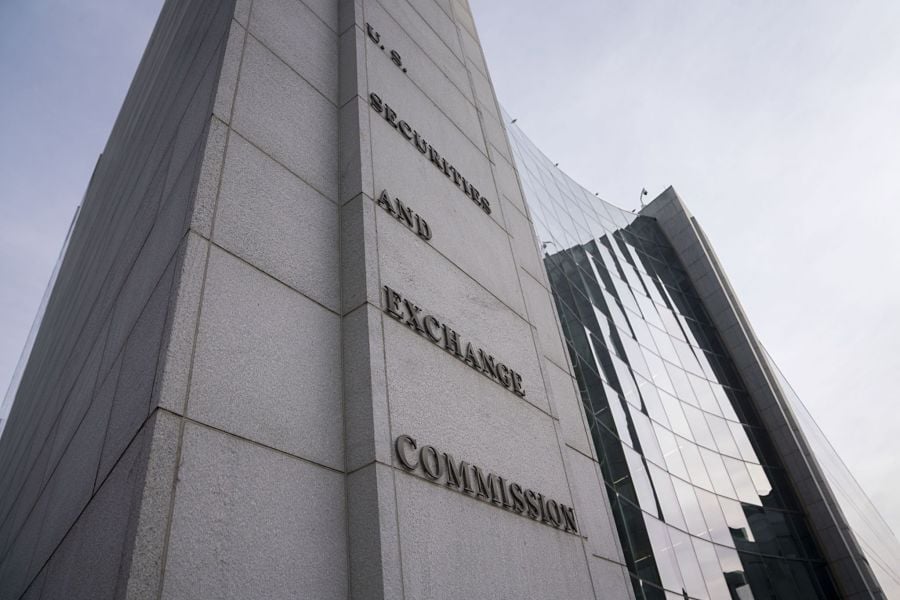
The Securities and Exchange Commission recently issued deficiency letters to almost every robo-adviser, citing shortcomings in how those companies are managing portfolios and disclosing conflicts of interest, which could signal future enforcement actions in the months and years to come.
The risk alert released earlier this month pointed toward robo-adviser risk questionnaires as a major red flag. The agency tried to determine whether online advisers are gathering enough information from clients about their financial situations and investment objectives before giving them access to the markets.
The alert cited "questionnaires [that] included a very limited number of data points, potentially increasing the risk of not providing clients with individualized advice or acting in their clients’ best interests."
Typically, questionnaires consist of a dozen or so questions about employment and net worth and take about 15 minutes to fill out.
“These are not your parents’ policies and procedures,” said Susan Schroeder, former head of enforcement at the Financial Industry Regulatory Authority Inc. and current vice chair of securities at WilmerHale. “There is an increased focus on documented supervision of technology such as testing algorithms, coding the platform to deal with unforeseen market conditions, and cybersecurity measures.”
Another area of concern was the robo-advisers' underlying algorithms. Many of the firms’ algorithms were failing to test whether the investment advice they provided matched their clients’ investment objectives and was in their best interests, according to the alert.
“One interesting theme in the risk alert was the premium placed on compliance programs,” Schroeder said. “That’s consistent with the director of enforcement’s recent comments on ‘proactive compliance’ and likely signals an increased willingness to bring enforcement actions solely on the grounds that policies and procedures were inadequate — even if there was no underlying customer harm.”
The laundry list of problems the SEC identified may force firms to make a concerted effort to focus on those areas. The agency could make an example of the worst offenders.
“The SEC is focused on forms of digital engagement with the investing public,” Schroeder said. “Many of the SEC’s recent statements about investment technology have concerned whether investors are influenced by the digital interfaces of app-based broker-dealers, but robo-advisers are used by investors in a similar way and are therefore likely to be under scrutiny going forward.”

A Nationwide survey finds 47% of GLP-1 users have never discussed the drugs’ financial impact with an advisor, even as many dip into savings.

The hundreds of millions of dollars from a sale of Inspired Healthcare properties does not mean an immediate windfall for investors.

Its SEC filings said one thing - a congressional probe said another.

Sham agreements allegedly padded revenue by 345%.

"Most pre-retirees are uncomfortable making key retirement income decisions without an advisor's help," said Chris Bailey of Cerulli.
Knighthead Life entered the market with a competitive MYGA. A strong launch earned advisor confidence and paved the way for FIAs.
As AI makes financial information more accessible than ever, Lana Hock explains why human judgment, trust, and empathy remain the qualities clients value most in a financial advisor

