
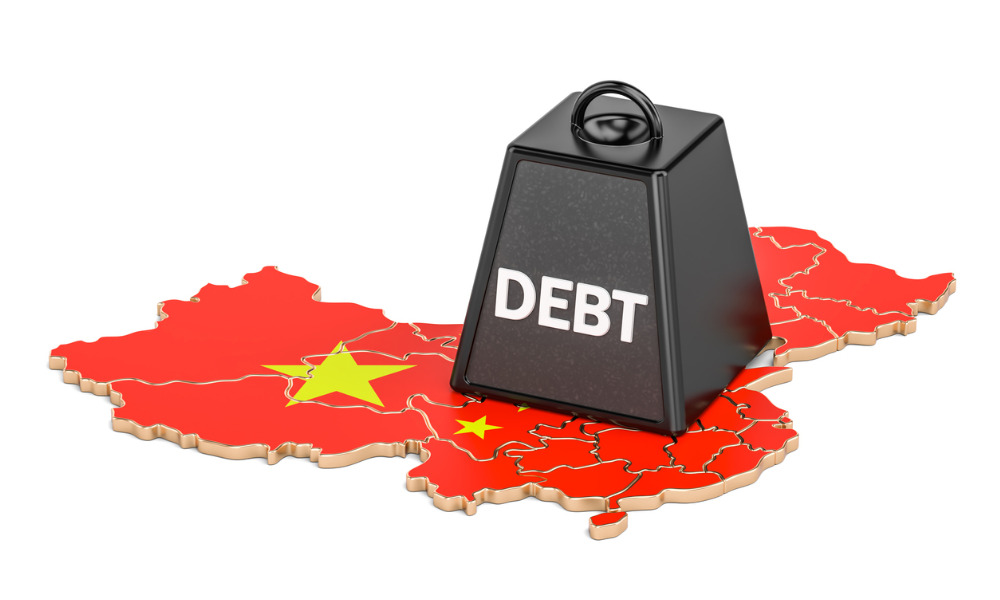
China’s investment-grade credit offers value and will outperform US peers in 2024 thanks to favorable technicals and higher carry, according to Citigroup Global Markets Inc.
The Citi analysts raised their outlook on China high-grade credit to marketweight from underweight, saying the current spread with equivalent US assets is “broadly fair” and that China continues to benefit from favorable technicals, in a note Wednesday. They estimate a total return of 9.5% over the next 12 months from China corporate credit, assuming a “meaningful” slowdown in the US economy.
The change comes after a slew of ratings actions from Moody’s Investors Service in recent days, including a cut to outlook for sovereign rating of China Tuesday on rising debt.
“The market has already priced this in to a degree, and China investment-grade has some value,” Citi analysts wrote in the note, referring to Moody’s actions. They see outperformance versus the US next year, “mainly due to higher carry.”
However, a potential sovereign downgrade would directly impact corporate ratings, the Citi analysts said, adding that building a path to recovery for the property sector could take time amid a “stronger, yet still fragile macro story.”
China’s investment-grade dollar bonds have gained 5.4% so far this year, and are on track to end two consecutive years of losses, according to a Bloomberg index. Across assets, global fund managers said they plan to bet on China markets from stocks to yuan to corporate bonds after a selloff earlier this year.
“China risks are mainly in the price,” the analysts said. “In times of onshore equity-market volatility, the Chinese offshore credit market tends to do well as it is seen as an asset and currency diversifier for local investors.”

Goldman Sachs retirement survey finds 83% want guaranteed income, while the annuities providing that income increasingly hold private credit.

The AI meeting assistant's Advisor Intelligence plugin turns client conversation data into annual reviews, tax scans and attrition alerts.
Chuck Roberts and Stifel have been facing scrutiny due to sales of structured products and structured notes.

Among other updates, the proposals would let advisors to regulated funds earn performance fees and allow interval funds to offer monthly repurchases.

What will financial advice look like 20 years from now? Evan Vladem explores how AI may transform wealth management while reinforcing the enduring value of human guidance, trust, and empathy.
As AI makes financial information more accessible than ever, Lana Hock explains why human judgment, trust, and empathy remain the qualities clients value most in a financial advisor
Northern Trust’s Ken Lassner shows advisors how to convert volatility into after-tax portfolio gains

