
The S&P 500 is up over 15 percent so far in 2024 after last year’s 24.5 percent return. The VIX, aka the ‘fear index,’ is bumping along at record lows. And even the gold bugs are feeling chipper with the yellow metal up over 12 precent year-to-date.
Seriously, even Goldilocks couldn’t find a bear in this market. Not a Papa Bear. Not a Mama Bear. Not a wee tiny Baby Bear.
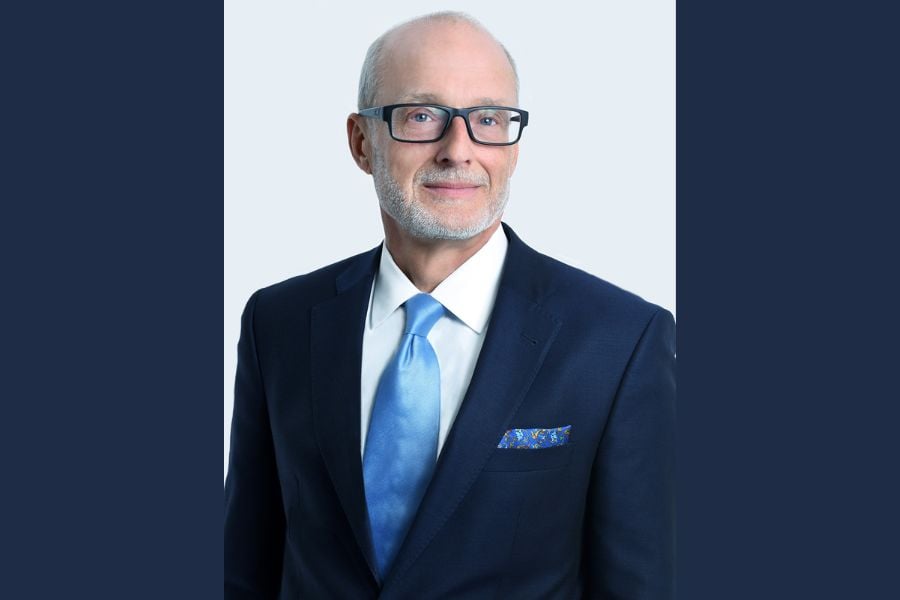
Despite this total ursine absence, there is still risk in the market, however. You just have to look across the pond to find it, according to Jim Thorne, chief market strategist at Wellington-Altus.
“I think the biggest geopolitical risk is a credit event in Europe right now,” said Thorne. “I think if you go back to 2009 and 2010, a credit event in Europe that spreads around the world would be the one risk that I think investors need to take a look at.”
It’s worth noting that the French 10-year government bond is yielding 3.3 percent, while the German 10-year is now slightly below 2.4 percent. Both of those are substantially lower than the 4.25 percent that Uncle Sam is paying, meaning that there are clouds on the European horizon. The big questions are whether they are storm clouds and if they have the capacity to spread to the US.
Speaking of the US rate environment, Thorne believes the Fed is making a “massive policy mistake” and should be cutting rates right now to protect against "fiscal consolidation and an air-pocket" ahead. In his view, the growth in the US economy is a “mirage” supported by a 6.5 percent budget deficit and debt levels not seen since World War Two.
“With an 18- to 24-month lag in cuts, the Fed should be cutting. Right now, they're not. So that suggests to us that investors should be prepared for rates to really start to ramp down in 2025,” said Thorne.
And that’s not the only thing investors should keep an eye on, even as they aimlessly watch the indexes whistle higher. Thorne believes the growing trade wars with China and Europe as well could spark economic and, in turn, market unrest.
“In an era of massive innovation, the rules of the game are being written as we speak. So easily the market could get spooked. It's not my base case, but that's what I'm looking for,” said Thorne.
As to how advisors and investors should prepare their portfolios for potential turbulence ahead, Thorne says to stick with secular growth stocks while the yield curve remains inverted. He’s also bullish on AI and crypto plays “as long as Wall Street remains skeptical.”
“We do not subscribe to buy value right now. We think that that’s for after a recession, more of a 2026 or a 2027 story. We think it’s time to stick to the winners. They've been identified,” said Thorne.
He added that if an advisor’s investment policy statement says they need to have fixed income in an allocation, he would max out the fixed income portion with a ladder of US Treasury bonds.
“The United States is the place to be and we would do a ladder,” said Thorne. “A third short-end, a third belly and third long-end.”

LPL Financial and Raymond James also add independent advisors from Osaic and Edward Jones in Michigan and Arizona.

The SEC-registered RIA advises on more than $1 billion in client assets, with no advisory fee through 2027 and no human financial advisors.

95.8% of house trades were winners. For clients? The SEC says just 14.9%.

The complaint says Duolingo added friction on purpose, then lied about it.

The four wirehouse firms lost 1,449 experienced advisors and recruited 932 in the first six months of the year, according to Diamond Consultants.
Knighthead Life entered the market with a competitive MYGA. A strong launch earned advisor confidence and paved the way for FIAs.
As AI makes financial information more accessible than ever, Lana Hock explains why human judgment, trust, and empathy remain the qualities clients value most in a financial advisor

