
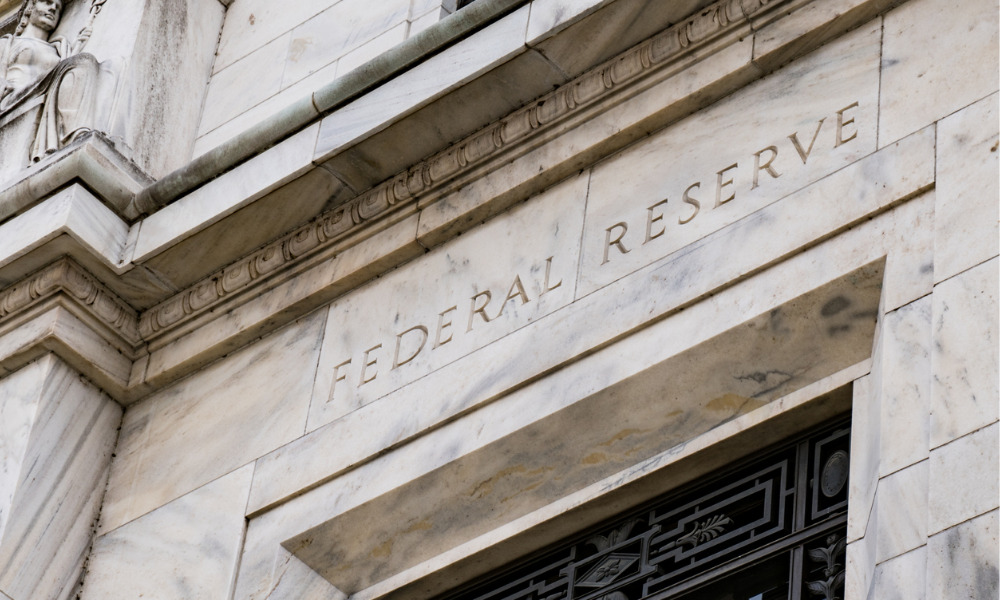
The slide in Treasuries has been excessive given recent economic data and Federal Reserve policy, suggesting it’s instead being driven by fears over the swelling US deficit, some of Wall Street’s biggest names say.
Benchmark U.S. yields jumped to the highest levels in 16 years Monday, extending an uptrend that began in May. The latest surge shows Treasuries are detached from their fundamental drivers, according to JPMorgan Chase & Co. The move shows rising alarm at what fiscal policymakers are doing, economist Ed Yardeni says.
“The worry is that the escalating federal budget deficit will create more supply of bonds than demand can meet, requiring higher yields to clear the market,” Yardeni, the president of Yardeni Research Inc., wrote in a research note published Tuesday. “That worry has been the Bond Vigilantes’ entrance cue.”
Yardeni points out that the latest batch of economic data was weaker than expected — namely real personal consumption expenditures and consumer sentiment — which should have pushed Treasury yields lower.
“Most of the bond indicators that worked in the past haven’t been working for a while,” he said. “We suspect that Fed officials may soon be alarmed by the unyielding climb in yields. If they aren’t already, they should be.”
Yardeni points out one example of the breakdown of traditional correlations. “The bond yield was highly correlated with the ratio of the prices of copper to gold from 2005 through 2019. They’ve diverged significantly since then,” he said.
The unexpected deal to avert a U.S. government shutdown over the weekend was a driver for higher Treasury yields, but the resulting jump was excessive, according to JPMorgan strategists led by Jay Barry in New York.
“The factors do not justify the magnitude of today’s moves, in our view, and intermediate Treasuries continue to diverge from their fundamental drivers,” they wrote in a note to clients Monday.
BlackRock Investment Institute says U.S. yields are set to go even higher due to fears over increasing supply.
“Concerns over U.S. debt levels and large Treasury issuance have prompted investors to demand more compensation for the risk of holding long term bonds, driving long-term yields higher,” strategists led by Jean Boivin in New York wrote in a note Monday. “We expect a further rise in such term premium and long-term yields due to those factors.”

The combination adds two veteran New York City practices with decades-long client relationships to Cerity's fast-growing national platform.
Regulator says contracts tied to a person's words or attendance will face heightened scrutiny before they can be listed.

Citi Wealth survey of 351 family offices finds inflation concern rising and next-gen transitions now an immediate operational challenge.

The Wauwatosa-based fiduciary team brings $145 million in client assets to Carson Wealth's Great Lakes platform.

Texas securities regulators initially accused Lasater RE Fund of fraud in June but later dropped those claims.
As AI makes financial information more accessible than ever, Lana Hock explains why human judgment, trust, and empathy remain the qualities clients value most in a financial advisor
Northern Trust’s Ken Lassner shows advisors how to convert volatility into after-tax portfolio gains

