
If you’re sitting on the edge of your chair waiting for the Securities and Exchange Commission to issue a final rule on climate disclosure, you can relax a bit.
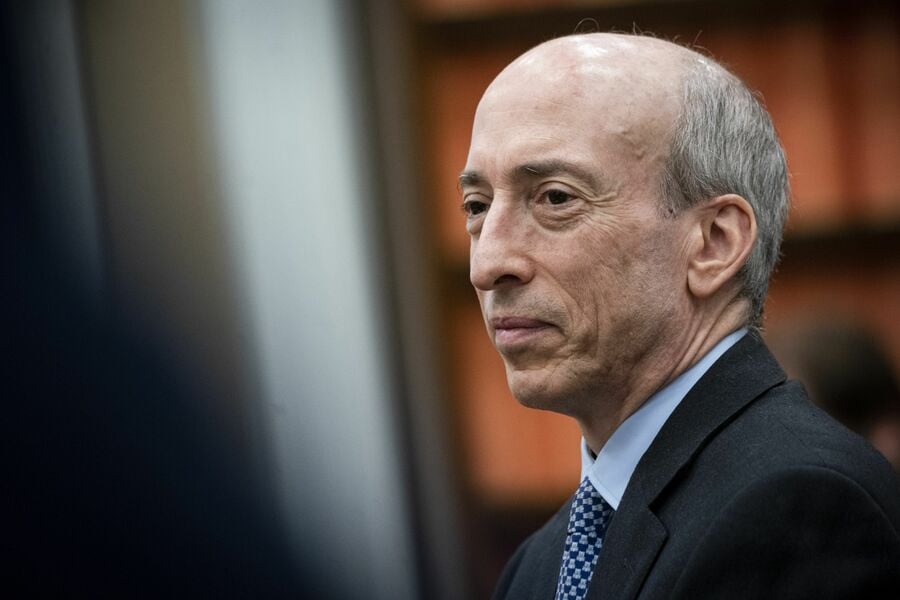
On Monday, SEC Chairman Gary Gensler dismissed recent published reports that suggested the rule would come out in the next several weeks, telling an industry group that estimate is not accurate.
The SEC has received nearly 15,000 public comments on the proposal, which would for the first time require companies to disclose financial risks posed by climate change as well as how they contribute to climate change through greenhouse gas emissions.
It’s one of the most anticipated of the nearly three dozen rules the SEC has proposed since the beginning of Gensler’s tenure in April 2021. But he didn’t hint at when the five-person commission might vote on a final regulation.
“When you have that many comments, it’s going to take some time,” Gensler said at the Securities Industry and Financial Markets Association annual conference. The meeting was held in New York, but Gensler addressed the group via video.
Under the proposal, companies would have to report their so-called Scope 1 and 2 greenhouse gas emissions, or those that emanate from their operations and the energy source they use. They also would have to report Scope 3 emissions — those produced throughout their supply chain — if they are material to company performance or the company has made commitments to reducing them.
Financial firms, industry groups and some lawmakers have said that gathering Scope 3 data could be difficult and costly. SIFMA CEO Ken Bentsen Jr. also expressed concern about liability related to the disclosures in a Q&A with Gensler.
Gensler told Bentsen that SEC commissioners noted the differences between Scope 1, 2 and 3 when they voted to propose the rule and that many commenters also have focused on the distinctions.
“[SEC] staff will make some recommendations and, without prejudging, we’ll see where we are,” Gensler said.
Bentsen tried to pin down Gensler on the timing of the final versions of the many rules the agency is considering. The SIFMA leader wondered whether Gensler had priorities among them and would sequence their rollout.
As he has done in other settings, Gensler declined to provide any calendar details. “In terms of timing, it’s really about when the staff feels they’re ready to serve things up,” he said.
Financial industry groups like SIFMA have been at the forefront of those criticizing Gensler for pursuing an agenda that's too broad and aggressive. But at the SIFMA conference, he pushed back the same way he did when testifying last month before a Senate committee.
Gensler noted that his predecessor in the Trump administration, former SEC Chairman Jay Clayton, finalized 64 rules in about four years.
“It well may be that you had the same conversations with Jay, I don’t know, about his robust agenda,” Gensler said.

A Nationwide survey finds 47% of GLP-1 users have never discussed the drugs’ financial impact with an advisor, even as many dip into savings.

The hundreds of millions of dollars from a sale of Inspired Healthcare properties does not mean an immediate windfall for investors.

Its SEC filings said one thing - a congressional probe said another.

Sham agreements allegedly padded revenue by 345%.

"Most pre-retirees are uncomfortable making key retirement income decisions without an advisor's help," said Chris Bailey of Cerulli.
Knighthead Life entered the market with a competitive MYGA. A strong launch earned advisor confidence and paved the way for FIAs.
As AI makes financial information more accessible than ever, Lana Hock explains why human judgment, trust, and empathy remain the qualities clients value most in a financial advisor

