
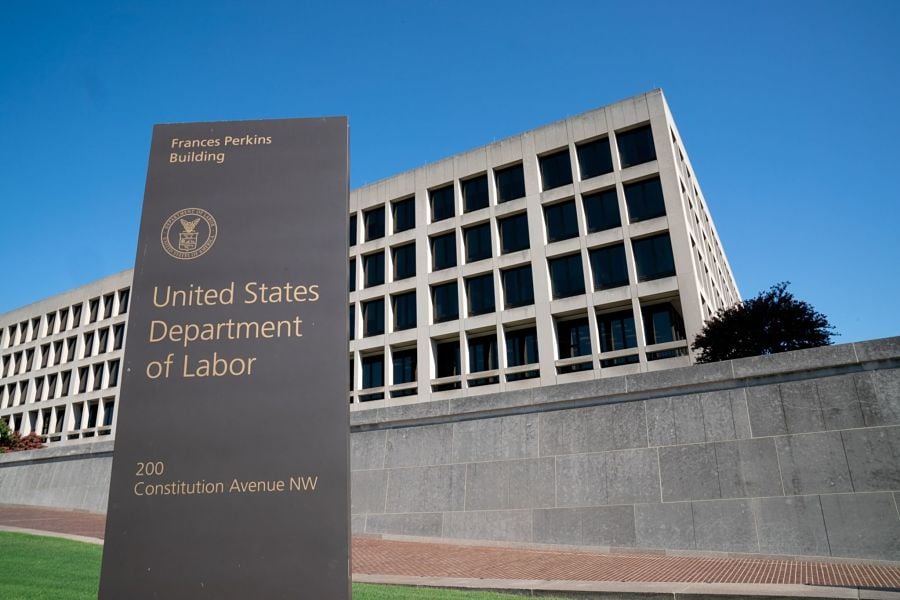
The Department of Labor is set to unveil its highly anticipated fiduciary rule, dubbed the Retirement Security Rule, on Tuesday, marking a significant update to the regulatory landscape governing retirement investment advice.
The announcement, scheduled for 5 p.m. in the Treaty Room, will be made by Acting Secretary of Labor Julie Su, according to the National Association of Plan Advisors.
This development follows the recent clearance of the rule by the White House’s Office of Management and Budget on April 10, signaling an imminent release that stakeholders have been expecting.
That move by the OMB sparked criticism from multiple stakeholders, including the National Association of Insurance and Financial Advisors and the Insured Retirement Institute, which both expressed disappointment at the speed of its review process.
The Retirement Security Rule seeks to redefine the contours of "investment advice" under ERISA, ensuring advisors act in the best interests of retirement plans and their participants.
Proponents of the rule argue that it addresses a critical regulatory void affecting plan-level advice, which is not covered under the SEC’s Reg BI regime. That gap, the thinking goes, is particularly glaring in scenarios where advisors to small employers may sell a 401(k) plan and then disengage, without ongoing obligations to act as fiduciaries under ERISA’s existing five-part test.
Assistant secretary of the Employee Benefits Security Administration Lisa Gomez, speaking at the recent 2024 NAPA Summit, highlighted that the need for the rule stems from the evolution of the retirement planning landscape.
“At that time, 401(k)s did not even exist,” she noted, referring to when the original fiduciary definitions were established. “Most people were in defined benefit plans, and those plans were managed by professional investment managers.”
The current landscape is now dominated by 401(k) plans, Gomez said, with most retirees in those plans making investment decisions on an individual basis.
The SECURE 2.0 Act of 2022, which anticipates an increase in new plans, especially among small businesses, underscores the urgency of the new rule. Without it, millions of employers and workers could be left vulnerable to conflicts of interest and imprudent advice.
Gomez stressed the rule's focus on adapting to these changes while protecting retirement investors.
“If you are a retirement investor and talking with a financial professional trying to get investment advice, you have to have trust and confidence that that professional knows what they’re talking about, knows what your individual circumstances are, and will give you advice that’s in your best interests,” she explained.

The Vanguard-bound RIA custodian is now letting advisors subscribe clients to late-stage private company SPVs from inside its platform.

The AI-native RIA is pitching 90-second client onboarding to independent firms weeks after landing $100 million Series C.

Founder Rick Kent moves to executive chairman, and Zach Mersberger has been named president of the $33 billion hybrid-RIA.

Three senior women in wealth management outline the ownership, capital and confidence gaps still holding top advisors back.

Schwab's Claude integration blocks Anthropic from retaining advisor and client data for model training, even for users without enterprise plans.
As AI makes financial information more accessible than ever, Lana Hock explains why human judgment, trust, and empathy remain the qualities clients value most in a financial advisor
Northern Trust’s Ken Lassner shows advisors how to convert volatility into after-tax portfolio gains

