
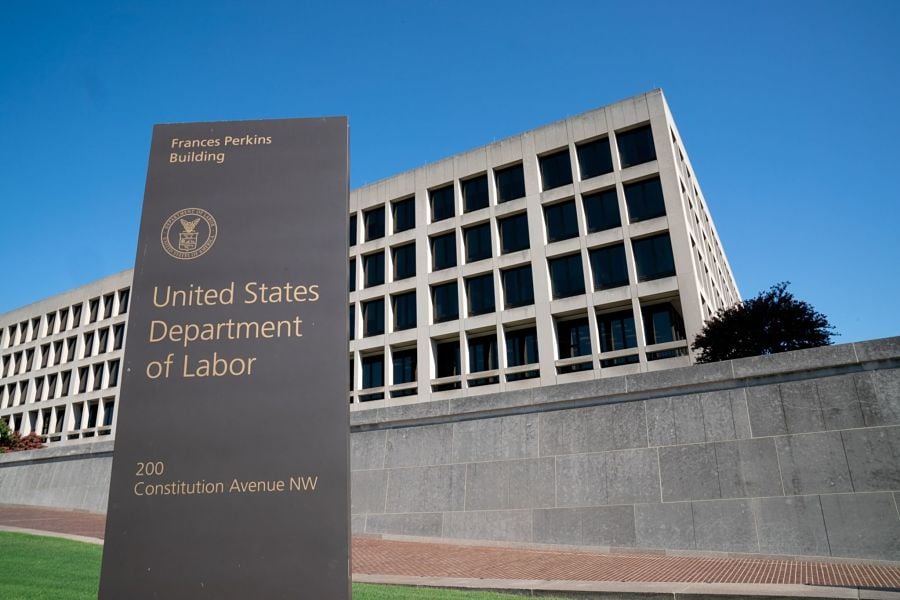
The Department of Labor's latest attempt to impose a fiduciary rule on retirement transactions has cleared a significant administrative barrier, sparking disappointment from industry stakeholders.
Despite ongoing dialogs with various groups slated to last until Monday, the White House Office of Management and Budget finalized its review of the proposed rule, marking a crucial step toward its publication in the Federal Register. A posting on the OMB website signaled that it finished reviewing the proposal Wednesday.
The proposed rule, unveiled in October, represents the DOL's fourth effort to extend fiduciary responsibilities across almost all dealings involving retirement funds. This has been met with considerable concern from some quarters, including the National Association of Insurance and Financial Advisors.
NAIFA expressed disappointment over the OMB's hastened review process, particularly as discussions with stakeholders were still on the agenda.
"The National Association of Insurance and Financial Advisors is disappointed that the White House Office of Management and Budget has concluded its review of the Department of Labor’s fiduciary-only rule," NAIFA CEO Kevin Mayeux said in an emailed statement.
NAIFA argues that the proposal is untimely, especially given the current economic insecurities faced by Americans concerning retirement preparedness. It also contends that existing regulations, such as the SEC’s Regulation BI and state measures built around NAIC’s best-interest annuity model, are sufficient in ensuring financial professionals act in their clients' best interests.
The Insured Retirement Institute said it was also dismayed at the sudden conclusion to the OMB review of the “Department of Labor's unnecessary and redundant fiduciary investment advice proposal.
“IRI and other stakeholders have shared information and data about the harm this rule will cause to millions of retirement savers,” Jason Berkowitz, chief legal and regulatory affairs officer at IRI, said in a statement.
“Unfortunately, DOL and OMB's actions have signaled a lack of concern for a robust review and consideration of stakeholder input, as evidenced by DOL's rushed comment process and OMB's premature conclusion of its review.”
Still, the proposed rule garnered support from dozens of Democrats in Congress, with Rep. Maxine Waters from California leading a group of 55 legislators in a letter urging swift action on the DOL's fiduciary proposal.
The letter called for an expedited review process, citing an annual cost of $17 billion to retirement savers who receive conflicted advice.
"We have long sounded the alarm on the need for strong regulations to protect our nation’s retirees from self-serving financial professionals, and there are major gaps in the regulatory framework that need immediate addressing," the lawmakers wrote.
"We believe that a strong DOL Rule will have a tremendous impact on moderate-income and working families, who are typically only able to save for retirement in small amounts and need all the help they can get in safeguarding their nest eggs from financial professionals who seek to abuse their trust," they said.

New Allspring research finds 401(k) participants want guidance on income and rollovers, not just portfolio automation.

Aging homeowners hold record housing wealth - but most advisors still aren't bringing it into retirement plans

$1.7M invested from an inheritance. Then the phone went dead.

The pre-IPO platform sold $430M in units while allegedly rigging prices behind the scenes.

A Nationwide survey finds 47% of GLP-1 users have never discussed the drugs’ financial impact with an advisor, even as many dip into savings.
Knighthead Life entered the market with a competitive MYGA. A strong launch earned advisor confidence and paved the way for FIAs.
As AI makes financial information more accessible than ever, Lana Hock explains why human judgment, trust, and empathy remain the qualities clients value most in a financial advisor

